

This post contains affiliate links.
On The Table Read Magazine, “the best entertainment eBook magazine UK“, these controversial banned books made headlines and sparked outrage for a variety of reasons, how many have you read?
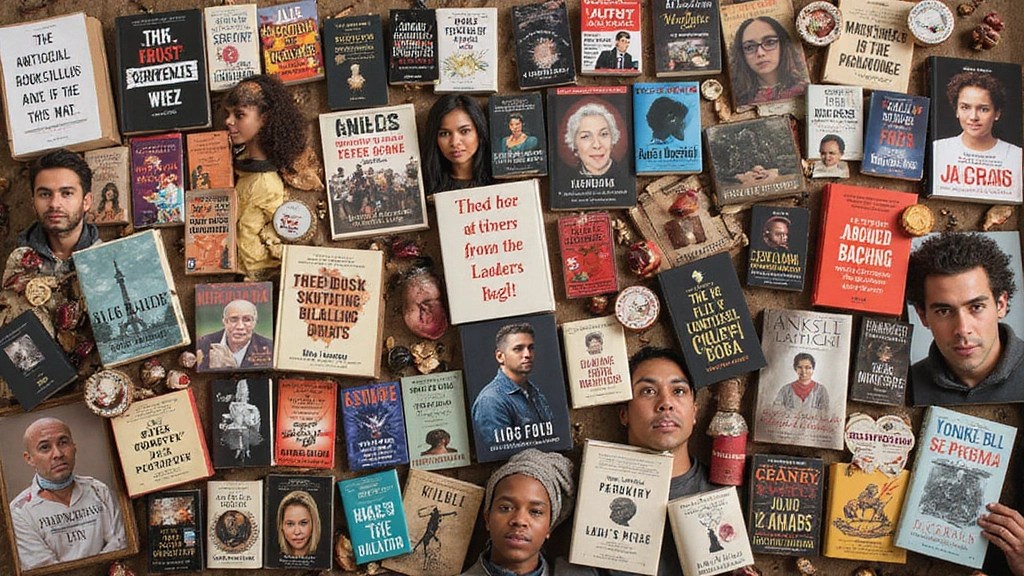
Books have the power to inspire, educate, and challenge our viewpoints. Yet, every year, countless titles find themselves on the chopping block, sparking heated debates across the nation. From classic literature to contemporary novels, book bans often raise questions about freedom of expression, censorship, and societal values.
This list highlights 20 of the most controversial book bans that have ignited national outrage, each revealing a different facet of why literature matters. Prepare yourself for a rollercoaster of emotions as we uncover the stories behind these bans and the reasons they continue to stir up such passionate discussions.
1. ‘The Hate U Give’ by Angie Thomas

This powerful novel, the Hate U Give by Angie Thomas, addresses racial injustice through the voice of a young girl and has faced numerous bans for its portrayal of police violence and strong language. Critics argue that it promotes a negative view of law enforcement, while supporters assert that it’s a vital conversation starter about systemic racism.
For those looking to further engage with these themes, the Banned Books: Challenging Our Freedom to Read collection offers a broader perspective on literature that has sparked debates similar to this novel. This collection can enhance understanding of the challenges faced by authors and readers alike in navigating controversial topics.
Additionally, readers interested in exploring race discussions more deeply might find How to Talk About Race: a Guide for Parents beneficial. This guide provides tools for parents to foster conversations about race and justice with their children, helping to navigate the uncomfortable yet necessary discussions that arise.
This ongoing debate showcases how literature can serve as both a mirror and a window into societal issues, echoing the real experiences of many teens today. Schools banning the book often find themselves in a showdown with students who feel that their realities are being denied.
– Key Issues: Police violence, racial profiling, strong language.
– Why It Matters: Encourages discussions about race and justice.
– Supporters Say: It reflects the real experiences of many teens today.
– Critics Say: It’s inappropriate for younger audiences.
By engaging with these resources, readers can better understand the complexities surrounding these vital conversations.
Product Recommendations:
• The Hate U Give by Angie Thomas
• Banned Books: Challenging Our Freedom to Read
• How to Talk About Race: a Guide for Parents
2. ‘Of Mice and Men’ by John Steinbeck

This classic tale of friendship and dreams during the Great Depression has been challenged for language and its portrayal of mental disability. Some argue that it reinforces negative stereotypes, while others see it as a poignant reflection of human struggles.
With its rich themes of hope and despair, ‘Of Mice and Men’ has become a staple in literature classes despite the controversies surrounding it. Those who ban it often overlook its historical significance and the lessons it imparts about empathy. For readers who want to delve deeper into the text, the literary analysis guide for ‘Of Mice and Men’ offers a detailed summary and insights that can enhance understanding of the book’s complexity.
– Key Issues: Use of racial slurs, portrayal of disability.
– Why It Matters: Offers profound insight into the human condition.
– Supporters Say: It teaches important lessons about friendship and sacrifice.
– Critics Say: It perpetuates harmful stereotypes.
As this book sparks discourse on ethics and morality, it reveals the power of storytelling. If you’re interested in the larger context of censorship and banned literature, you might find the book Books on Censorship and Banned Literature particularly enlightening. It explores the reasons behind book bans and the cultural implications.
Moreover, for those who wish to reflect on the themes of the book personally, using a journal can be very helpful. The journal for reflection and discussion encourages gratitude, happiness, and self-love, allowing you to connect the lessons from ‘Of Mice and Men’ with your own life experiences.
By engaging with these resources, readers can gain a deeper understanding and appreciation of Steinbeck’s work and its relevance today.
Product Recommendations:
• literary analysis guide for ‘Of Mice and Men’
• Books on Censorship and Banned Literature
• journal for reflection and discussion
3. ‘To Kill a Mockingbird’ by Harper Lee

3. ‘To Kill a Mockingbird’ by Harper Lee
‘To Kill a Mockingbird’ is revered for its exploration of morality and justice. However, it faces frequent bans, primarily due to its racial themes and sensitive language. Critics assert that it’s outdated and perpetuates racial stereotypes, while supporters argue it provides critical commentary on prejudice and empathy.
The beauty of this book lies in its ability to challenge readers to confront their biases, making it a beloved yet contentious classic. Schools that remove it from their curricula risk denying students a chance to engage with its profound lessons on humanity.
To deepen your understanding of this classic, consider picking up the to Kill a mockingbird: 60th Anniversary Edition (Paperback). This edition offers more than just the text—it serves as a gateway to the themes of morality and social justice that remain relevant today.
If you’re looking for a comprehensive analysis to aid your exploration, the to kill a mockingbird: York Notes GCSE (Grades A*-G) provides valuable insights and literary critiques. This guide can help illuminate the complexities of the narrative, making it easier for readers to grasp the nuances of its themes.
- Key Issues: Racial slurs, depictions of sexual assault.
- Why It Matters: Challenges readers to reflect on their morals.
- Supporters Say: It’s essential for understanding racial injustice.
- Critics Say: It’s no longer relevant in today’s society.
Delving into this literary debate reveals how timeless narratives can still inform contemporary discussions.
Product Recommendations:
• ‘To Kill a Mockingbird: 60th Anniversary Edition’ (Paperback)
• ‘To Kill a Mockingbird: York Notes GCSE (Grades A*-G)’
• ‘Harper Lee: A Biography’
4. ‘1984’ by George Orwell

A chilling dystopian novel that critiques totalitarianism and surveillance, ‘1984’ by George Orwell often gets banned for its political themes and explicit content. The irony of banning a book that warns against oppression is not lost on many. This novel serves as a stark reminder of the dangers of censorship and the importance of free thought. Those who attempt to silence it may be inadvertently reinforcing Orwell’s warnings about a dystopian future.
To stay informed and engaged with these critical issues, consider picking up a copy of ‘1984’ by George Orwell (Paperback) at an affordable price of £3.99. It’s a foundation for understanding the implications of surveillance and control in our society.
Additionally, show your support for the freedom to read with the Banned Books T-Shirt. At £17.49, it’s a powerful reminder that literature should never be silenced and helps raise awareness about censorship.
For those looking to further explore the topic of censorship and banned books, Censorship and the Book: a Guide to Banned Books could provide valuable insights. Priced at £13.33, this guide can help you understand the broader context of why books like ‘1984’ face controversy.
As we navigate the complexities of freedom and control, ‘1984’ remains alarmingly relevant, and these resources can help keep the conversation going.
Product Recommendations:
• ‘1984’ by George Orwell (Paperback)
• Banned Books T-Shirt
• Censorship and the Book: a Guide to Banned Books
5. ‘The Catcher in the Rye’ by J.D. Salinger

Often targeted for its candid language and themes of teenage angst, ‘The Catcher in the Rye’ has sparked debates about appropriateness for young readers. Many view Holden Caulfield’s rebellious nature as a reflection of adolescent struggles, while others see it as promoting negative behaviors.
This novel encourages readers to grapple with complex emotions and societal expectations, making it a timeless piece of literature. Schools banning this book miss out on the opportunity to discuss the realities of growing up. To engage with these themes, consider documenting your thoughts and reflections with a book journal for readers. This reading journal allows you to summarize, review, and rate the books you’ve read, helping you articulate your feelings about the issues raised in books like this one.
– Key Issues: Profanity, sexual references, themes of rebellion.
– Why It Matters: Provides insight into teenage psychology.
– Supporters Say: It resonates with the struggles of youth.
– Critics Say: It’s inappropriate and dangerous for impressionable teens.
Through its exploration of identity and belonging, ‘The Catcher in the Rye’ continues to evoke strong emotions. Show your support for literary freedom with an I’m with the banned books T-shirt, a great conversation starter that highlights the importance of discussing controversial topics in literature.
Product Recommendations:
• book journal for readers
• I’m with the banned books T-shirt
• classic literature bookmark set
6. ‘Brave New World’ by Aldous Huxley

‘Brave New World’ presents a terrifying vision of a future shaped by technological control and societal conformity. Commonly banned for its explicit content and themes of promiscuity, this book raises vital questions about individuality and freedom. Those who oppose its inclusion in school syllabi often fail to recognize its significant critique of modern society. By confronting these themes, students can engage in meaningful discussions about the direction of their own world.
- Key Issues: Sexual content, drug use, social conditioning.
- Why It Matters: Challenges notions of happiness and freedom.
- Supporters Say: It’s a crucial exploration of human nature.
- Critics Say: It’s too explicit for educational settings.
The ongoing debate around this book emphasizes the need to consider the implications of tech in our lives. For those looking to delve deeper into the themes explored in Huxley’s work, Brave New World by Aldous Huxley (Paperback) is an essential addition to any reading list. Not only does it encourage critical thinking, but it also invites readers to reflect on the nuances of freedom and conformity.
In a world of conformity, ‘Brave New World’ dares us to question: what does it truly mean to be free? Let’s explore the uncomfortable truths that book bans often hide from us.
As you navigate the conversation around banned books, consider supporting the movement with a practical item like a banned books tote bag. This stylish accessory not only displays your commitment to literary freedom but also serves as a great conversation starter about the importance of engaging with controversial literature.
Product Recommendations:
• banned books tote bag
• Brave New World by Aldous Huxley (Paperback)
• book banning debate discussion guide
7. ‘The Perks of Being a Wallflower’ by Stephen Chbosky

A coming-of-age story that dives deep into mental health, friendship, and sexuality, The Perks of Being a Wallflower has faced bans for its candid discussions of sensitive topics. Critics often cite its language and themes as inappropriate, while supporters argue it offers a voice to those dealing with similar struggles.
Its raw honesty can foster understanding and empathy among young readers, making it an essential read for anyone navigating the complexities of adolescence. Banning this book denies students an opportunity to reflect on their own experiences and connect with others.
To complement the themes explored in the book, consider using the Mental Health Workbook for Teens. This self-care journal includes a mood tracker, relaxation guide, and patience exercises, providing valuable tools to help young people manage their mental well-being.
Additionally, journaling can be an effective way to process emotions and experiences. The Journaling Set for Self-Reflection offers a comprehensive kit with 351 pieces, perfect for anyone interested in exploring their thoughts and feelings in a creative way.
Key issues surrounding The Perks of Being a Wallflower include references to mental illness, sexual situations, and substance use. It provides comfort and understanding for struggling teens, and supporters say it encourages conversations around mental health. Critics, however, argue that it’s unsuitable for a young audience.
This literary treasure reveals the importance of shared experiences in the healing process, and these suggested products can further enhance that journey toward understanding and self-reflection.
Product Recommendations:
• Mental Health Workbook for Teens
• Journaling Set for Self-Reflection
• Teen Self-Care Kit
8. ‘Harry Potter’ Series by J.K. Rowling
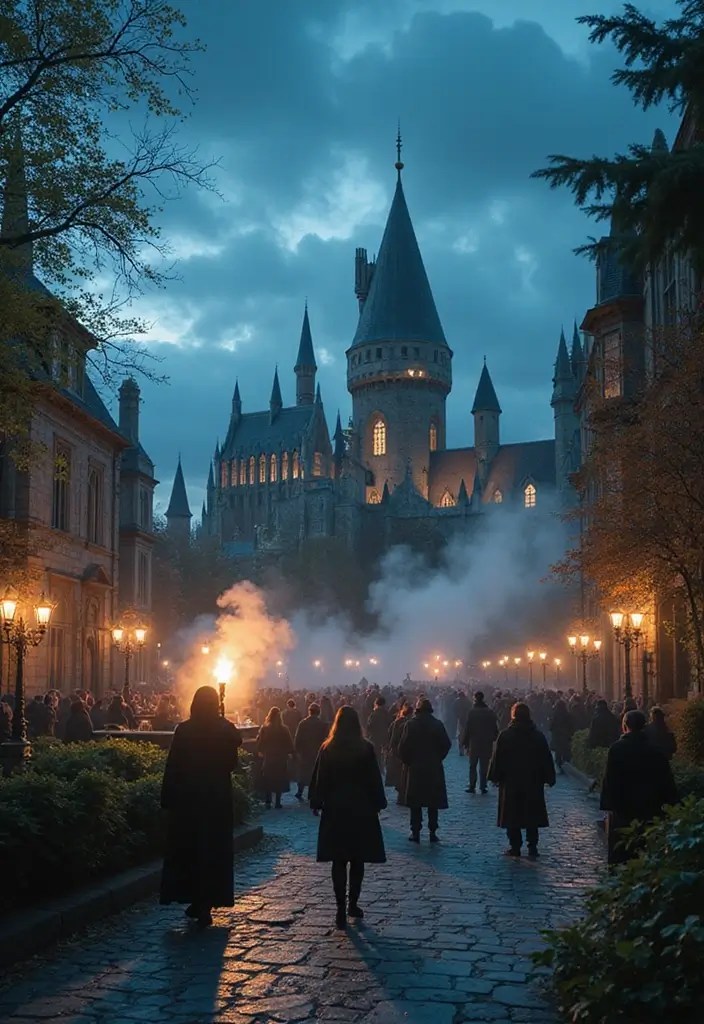
While the ‘Harry Potter’ series has enchanted millions, it hasn’t escaped controversy. The series has been banned in various schools for its themes of witchcraft and perceived anti-religious sentiments. Critics argue that it promotes paganism, while supporters point out its messages of friendship, bravery, and standing against evil.
The series offers profound themes of love, sacrifice, and the fight for justice, making it essential reading for young adults. Removing it from libraries limits discussions about its rich moral lessons. To keep the magic of Harry Potter alive, consider adding the Harry Potter Box Set (Books 1-7) to your collection. This complete set not only allows readers to experience the entire journey but also fosters important conversations around its themes.
– Key Issues: Witchcraft, themes of death.
– Why It Matters: Teaches about good vs. Evil and choice.
– Supporters Say: It encourages a love of reading and imagination.
– Critics Say: It’s inappropriate for children.
Additionally, show your support for the freedom to read with the Banned Books T-Shirt. Wearing this shirt can spark conversations about censorship and the importance of diverse literature, reinforcing the notion that every story matters.
The global debate surrounding this beloved series illustrates the fine line between cultural norms and artistic expression.
Product Recommendations:
• Harry Potter illustrated editions
• Harry Potter-themed board games
• Harry Potter trivia card game
9. ‘The Bluest Eye’ by Toni Morrison

Toni Morrison’s debut novel, the Bluest Eye by Toni Morrison, explores heavy themes of race, beauty standards, and identity, often leading to its ban in schools. Critics claim it contains explicit content and is too dark for young audiences, while supporters argue it’s a crucial exploration of societal issues.
The novel encourages deep discussions about self-worth and societal pressures, revealing the harsh realities faced by many individuals. Banning it can limit the conversations necessary for understanding and empathy. To foster these important discussions, consider using a discussion guide for the Bluest Eye, which can provide valuable insights and facilitate meaningful dialogue.
Key issues include sexual content and racial themes. Why it matters: it challenges beauty standards and societal norms. Supporters say it promotes discussions about race and identity, while critics argue it’s too graphic for school settings.
For those looking to expand their understanding of race and identity beyond Morrison’s work, the book Brit(ish): on Race, Identity and Belonging offers a contemporary perspective on these crucial topics.
Through its powerful narrative, the Bluest Eye continues to resonate with readers, challenging them to reflect on complex issues.
Product Recommendations:
• Toni Morrison’s “The Bluest Eye” Discussion Guide
• Brit(ish): on Race
• Identity and Belonging
• Toni Morrison: The Complete Novels
10. ‘The Color Purple’ by Alice Walker

A Pulitzer Prize-winning novel, ‘The Color Purple’ tackles themes of racism, sexism, and abuse. It often faces bans due to its explicit content and frank discussions of domestic violence and sexual relationships. Critics argue it’s inappropriate, while supporters assert it’s a powerful testament to resilience and empowerment.
To better engage with the essential themes presented in this novel, consider using the discussion guide for ‘the Color Purple’. This guide is particularly useful for fostering meaningful conversations about the text and its social implications, making it a valuable resource for understanding the struggles faced by marginalized communities.
The narrative inspires discussions about social justice and the strength of individuals, and for those looking to expand their teaching strategies, books on social justice and literature offer 36 sets of classroom activities that can enhance literacy development through engaging literature. These resources can help educators facilitate dialogues around critical issues highlighted in the book.
Additionally, for personal reflection or classroom discussions, the journal for reflective writing will assist readers in processing their thoughts and responses to the themes of ‘The Color Purple.’ Engaging with this book can foster meaningful conversations about race and gender, making it a vital part of American literature.
– Key Issues: Sexual content, violence, language.
– Why It Matters: Offers a voice to the voiceless and highlights social issues.
– Supporters Say: It’s a vital part of American literature.
– Critics Say: It’s too graphic for educational environments.
Product Recommendations:
• discussion guide for ‘the Color Purple’
• books on social justice and literature
• journal for reflective writing
11. ‘Looking for Alaska’ by John Green

‘Looking for Alaska’ is a beautifully written story about love, loss, and self-discovery that has faced numerous bans due to its mature themes, including sexuality and substance use. Critics often argue that it glorifies these behaviors, while supporters claim it presents an authentic portrayal of teenage experiences.
Banning this book can limit discussions around the complexities of growing up, making it a missed opportunity for educators to connect with students. To facilitate these important conversations, a discussion guide for ‘Looking for Alaska’ could be incredibly helpful. This resource provides structured prompts and questions that encourage deeper exploration of the novel’s themes, enabling meaningful dialogue in classroom settings.
In navigating the intricacies of teenage life, ‘Looking for Alaska’ remains a vital conversation starter. Furthermore, to aid in the personal journey of self-discovery that the book inspires, consider using a journal for self-discovery. This journal can serve as a safe space for reflection, gratitude, and exploration of one’s own emotions, mirroring the characters’ journeys in the novel.
– Key Issues: Sexual content, substance use.
– Why It Matters: Highlights the struggles and emotions of adolescence.
– Supporters Say: It encourages empathy and understanding.
– Critics Say: It’s inappropriate for young readers.
Together, these resources complement the themes of ‘Looking for Alaska’ and support the growth and understanding of young readers navigating their own experiences.
Product Recommendations:
• Looking for Alaska by John Green
• Journal for Self-Discovery
• Discussion Guide for Looking for Alaska
12. ‘The Kite Runner’ by Khaled Hosseini

This poignant tale of friendship and redemption set against the backdrop of Afghanistan’s turbulent history has faced bans for its portrayal of violence and sexual assault. Critics assert that it’s inappropriate for younger readers, while many believe it highlights the importance of understanding different cultures.
‘The Kite Runner’ is a powerful narrative that speaks to the complexities of love, loyalty, and betrayal. By banning it, schools miss a critical opportunity to explore themes of humanity and forgiveness. To foster deeper discussions about these important topics, consider using a discussion guide for the Kite Runner. This resource can help readers navigate the complex themes and facilitate meaningful conversations in educational settings.
Additionally, keeping a journal for reflection and discussion can also be beneficial. This daily journal encourages gratitude, happiness, and self-reflection, allowing readers to process the emotional weight of the narrative while connecting it to their own lives.
– Key Issues: Violence, sexual assault.
– Why It Matters: Encourages discussions about culture and morality.
– Supporters Say: It fosters empathy and understanding.
– Critics Say: It’s too graphic for school use.
This book continues to inspire vital conversations about forgiveness and redemption.
Product Recommendations:
• The Kite Runner by Khaled Hosseini
• Discussion Guide for The Kite Runner
• Journal for Reflection and Discussion
13. ‘The Absolutely True Diary of a Part-Time Indian’ by Sherman Alexie

13. ‘The Absolutely True Diary of a Part-Time Indian’ by Sherman Alexie
This semi-autobiographical graphic novel tells the story of a young Native American boy facing discrimination and navigating life between two worlds. It’s been banned for its language and themes of poverty and racism. Critics claim it’s inappropriate for school settings, while supporters commend its honest portrayal of the challenges faced by indigenous communities.
The book opens doors for discussions about identity, race, and resilience. Removing it from school libraries can deny students a crucial understanding of diverse experiences. To further engage with these themes, consider picking up the Absolutely True Diary of a Part-Time Indian by Sherman Alexie for your collection. At just £8.27, it’s a heartbreaking yet humorous read that can inspire important conversations.
– Key Issues: Language, depictions of poverty.
– Why It Matters: Challenges readers to confront issues of race and identity.
– Supporters Say: It’s a critical voice for Native American youth.
– Critics Say: It’s too explicit for younger audiences.
This narrative represents the struggle for identity in contemporary America. To advocate for the importance of literary freedom, you might also like the Banned Books Tote Bag. Priced at £7.89, it serves as a powerful reminder of the need to support diverse voices and protect access to important stories.
Banning books like “The Absolutely True Diary of a Part-Time Indian” silences important conversations about identity and resilience. Let’s not deny students the chance to explore these vital themes!
If you’re looking for ways to engage in discussions about banned books, consider the Discussion Guide for Banned Books. This large print activity book, available for £12.99, is filled with questions and prompts that can help facilitate meaningful conversations around challenging topics.
Product Recommendations:
• Banned Books Tote Bag
• Discussion Guide for Banned Books
• The Absolutely True Diary of a Part-Time Indian by Sherman Alexie
14. ‘The Glass Castle’ by Jeannette Walls
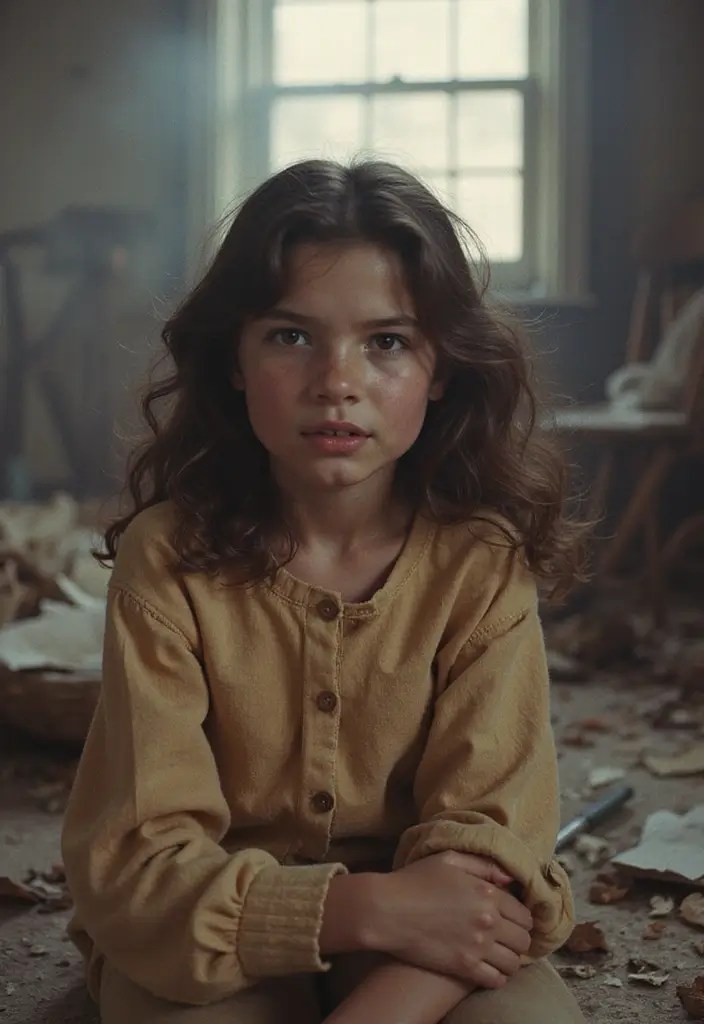
A memoir that recounts Walls’ unconventional upbringing in a dysfunctional family, the Glass Castle by Jeannette Walls has been banned for its raw depictions of poverty and neglect. Critics argue that its themes are too dark, while many readers find it a compelling testament to resilience and hope.
This book invites discussions about family dynamics, poverty, and the human spirit. By removing it from curricula, schools may stifle important conversations about personal struggle and growth. As readers engage with this powerful memoir, they’re encouraged to reflect on their own stories of resilience. To further explore these themes, consider using the discussion guide for the Glass Castle, which can help facilitate deeper understanding and conversations about the issues presented in the book.
Key issues include abuse and neglect, which are important topics to address. This memoir raises awareness about poverty and resilience, making it a crucial read. Supporters say that it inspires readers to overcome adversity. For those seeking additional insights on building resilience, Resilience: Hard-Won Wisdom for Living a Better Life by Eric Greitens offers strategies for developing an unbreakable mind and body, complementing the themes of Walls’ story.
Critics may feel it’s too grim for young audiences, but the discussions it sparks can lead to invaluable life lessons. Engaging with these resources allows readers to not only appreciate the memoir but also apply its lessons to their own lives.
Product Recommendations:
• The Glass Castle by Jeannette Walls
• Resilience: Hard-Won Wisdom for Living a Better Life by Eric Greitens
• A Long Way Gone: Memoirs of a Boy Soldier by Ishmael Beah
15. ‘Lord of the Flies’ by William Golding

‘Lord of the Flies’ is a harrowing exploration of human nature and societal breakdown, often challenged for its violence and dark themes. Critics argue that it’s too bleak for younger readers, while supporters assert it provides a critical examination of humanity.
This novel provokes essential discussions about civilization and morality, revealing the darker sides of human nature. Banning it often means avoiding necessary discussions about social behavior and ethics. To help navigate its complex themes, consider the discussion guide for ‘Lord of the Flies’, which includes online editions and quizzes tailored for the 2026 and 2027 exams. This guide can enrich understanding and facilitate meaningful conversations around the book’s challenging topics.
Additionally, for a more in-depth reading experience, the annotated edition of ‘Lord of the Flies’ offers valuable insights and context that can enhance appreciation of the text’s intricacies.
Lastly, if you’re interested in understanding the broader implications of censorship in literature, the book on censorship and literature could provide a thought-provoking perspective on the challenges faced by works like Golding’s.
– Key Issues: Violence, moral ambiguity.
– Why It Matters: Offers insight into human nature and societal structures.
– Supporters Say: It’s a powerful critique of civilization.
– Critics Say: It can be overly harsh for young minds.
As this book stirs varying opinions, it remains a powerful tool for understanding complex social dynamics.
Product Recommendations:
• ‘Lord of the Flies’ discussion guide
• ‘Lord of the Flies’ annotated edition
• book on censorship and literature
16. ‘Fifty Shades of Grey’ by E.L. James

This adult romance novel has faced bans in various libraries due to its explicit sexual content and themes of BDSM. Critics argue that it perpetuates unhealthy relationships, while supporters see it as a celebration of sexual exploration.
While it may not be suitable for younger audiences, the heated debates around it reveal societal anxieties about sexuality and personal agency. Banning this book can stifle healthy discussions on consent and relationships. To engage with these important themes, consider exploring resources that further the conversation around sexuality and consent.
For a deeper understanding of personal boundaries and the importance of consent, you might find Consent: a Memoir enlightening. This memoir offers valuable insights into navigating consent in various contexts, enriching discussions that could stem from reading ‘Fifty Shades of Grey.’
Additionally, the Ethical Slut: a Practical Guide to Polyamory, Open Relationships & Other Adventures serves as a practical guide that encourages open-mindedness in relationships, helping to foster a healthier understanding of love and partnerships.
Moreover, for anyone looking to improve their sexual well-being, Come As You Are: the Surprising New Science that Will Transform Your Sex Life provides groundbreaking insights into sexual psychology that can transform personal experiences and relationships.
The series continues to evoke strong opinions and conversations surrounding sexuality.
In a world where literature is banned, we miss the chance to explore complex themes like consent and agency. Let’s keep the conversation going and embrace the power of storytelling!
Product Recommendations:
• Consent: a Memoir
• the Ethical Slut: a Practical Guide to Polyamory
• Open Relationships & Other Adventures
• Come As You Are: the Surprising New Science that Will Transform Your Sex Life
17. ‘The Giver’ by Lois Lowry

‘The Giver’ is a beloved dystopian novel that examines the importance of emotions and memories in human experience. However, it has been challenged for its themes of euthanasia and societal control. Critics argue it’s too dark for young readers, while supporters contend it raises important questions about conformity and individuality.
Banning this book often deprives students of its rich thematic discussions about freedom and choice. It serves as a gateway for conversations about the value of human experiences. Engaging with ‘The Giver’ can lead to profound discoveries about what it means to be human. To help readers dive deeper into this essential text, consider exploring the the Giver by Lois Lowry, which is available for free. This edition enables readers to experience the story’s profound themes firsthand.
For those who want to facilitate discussions around the book, a discussion guide for ‘the Giver’ can be incredibly useful. This resource provides valuable insights and questions that prompt reflection on the book’s ethical and moral implications, encouraging richer discussions in classrooms or reading groups.
Also, if you feel passionate about supporting the freedom to read, consider wearing an I’m with the banned books T-shirt. This shirt not only champions the cause of literary freedom but also sparks conversations about the importance of open access to diverse narratives, including ‘The Giver.’
Together, these resources can enhance your understanding and appreciation of this important work while advocating for the value of voices in literature.
Product Recommendations:
• the Giver by Lois Lowry
• discussion guide for ‘the Giver’
• I’m with the banned books T-shirt
18. ‘Where the Wild Things Are’ by Maurice Sendak

Often heralded as a children’s classic, *Where the Wild Things Are* has faced challenges for its depiction of childhood emotions and imaginative escapism. Some parents feel it portrays anger in an inappropriate light. Critics often overlook its deeper themes of understanding and navigating complex emotions.
By banning this book, readers miss the opportunity to discuss feelings and imagination in a safe space. To further explore these important themes, consider resources like the Emotional Intelligence for Kids: a Workbook. This workbook helps children understand their feelings and develop self-regulation and mindfulness, fostering emotional exploration.
Key Issues: Themes of anger and rebellion.
Why It Matters: Encourages emotional exploration in children.
Supporters Say: It’s a masterpiece of children’s literature.
Critics Say: It’s inappropriate for young audiences.
Additionally, the classic itself is available for those who wish to revisit or introduce it to young readers. You can find *Where the Wild Things Are (Classic Edition)* at a great price here: Where the Wild Things Are (Classic Edition).
In its whimsy, *Where the Wild Things Are* opens dialogues about emotions that every child experiences. For a fun and engaging way to discuss feelings, check out the Color Monster: a Pop-Up Book of Feelings, which provides a playful approach to emotional education.
By engaging with these products, caregivers can help children express and navigate complex emotions, ensuring that stories like *Where the Wild Things Are* continue to inspire meaningful conversations.
Product Recommendations:
• Emotional Intelligence for Kids: a Workbook
• Where the Wild Things Are (Classic Edition)
• the Color Monster: a Pop-Up Book of Feelings
19. ‘Speak’ by Laurie Halse Anderson

‘Speak’ tells the story of a girl who becomes an outcast after a traumatic event. This poignant narrative has been banned for its discussions of sexual assault and mental health issues. Critics may find it too explicit, but many argue it’s essential for shedding light on important issues that teens face.
Banning this book can silence the voices of those who need to be heard. It opens a window for discussions on trauma, healing, and resilience. Supporting this dialogue is important, and for those who want to promote mental health awareness, consider the set of 4 mental health matters awareness bracelet motivational, priced at £5.99. These bracelets are a simple yet powerful way to show support and foster conversations around mental health.
Additionally, journaling can be a valuable tool for reflection and healing. The greatest self-help book (is the one written by you): a daily journal for gratitude, happiness, reflection and self-love is available for £11.00 and provides a space for personal exploration and coping with trauma.
For those passionate about advocating against book bans, you might find the I read banned books A5 journal helpful at £3.38. This journal not only allows for your own reflections but also serves as a conversation starter about the importance of access to diverse literature.
Through its powerful storytelling, ‘Speak’ offers hope and validation to those who feel voiceless. By engaging with these products, you contribute to a broader understanding of the vital issues this book addresses.
– Key Issues: Sexual assault, mental health.
– Why It Matters: Encourages discussions about trauma and recovery.
– Supporters Say: It’s a critical voice for survivors.
– Critics Say: It’s inappropriate for school settings.
Product Recommendations:
• mental health awareness bracelet set
• daily journal for gratitude and self-love
• I read banned books A5 journal
20. ‘Animal Farm’ by George Orwell

A classic allegory of power and corruption, Animal Farm has faced challenges for its political themes and portrayal of totalitarian regimes. Critics often argue that it’s too controversial for young readers, while supporters see it as a crucial commentary on power dynamics. This book serves as a powerful reminder of the importance of questioning authority and understanding history. Banning it can hinder important discussions about governance and civic responsibility.
To delve deeper into this important topic, consider adding Animal Farm by George Orwell to your collection. It’s a timeless critique of oppression that remains relevant today.
– Key Issues: Political themes, allegory.
– Why It Matters: Teaches valuable lessons about power.
– Supporters Say: It’s a timeless critique of oppression.
– Critics Say: It’s too political for children.
In addition, exploring the Banned Books: Challenging Our Freedom to Read can provide insight into a wider array of literature that has faced challenges, expanding your understanding of what it means to engage with controversial works.
Furthermore, the Freedom to Read: a Guide to Banned Books is an excellent resource that celebrates the importance of reading and the discussions it can spark around censorship.
As debates continue around this literary masterpiece, its relevance remains undeniable.
Banning books like Animal Farm doesn’t just silence ideas; it stifles vital conversations about power and responsibility. Let’s ensure future generations learn to question authority and engage with history!
Product Recommendations:
• Animal Farm by George Orwell
• Banned Books: Challenging Our Freedom to Read
• Freedom to Read: a Guide to Banned Books
Conclusion

The controversies surrounding book bans reveal the delicate balance between protecting young minds and fostering open dialogue about complex issues. Each of the titles discussed has sparked vital conversations about race, identity, freedom, and the human experience.
While it’s important to consider the appropriateness of literature in education, removing challenging texts from shelves may limit opportunities for growth and understanding. Embrace the discussions—they are what make literature so powerful.
Note: We aim to provide accurate product links, but some may occasionally expire or become unavailable. If this happens, please search directly on Amazon for the product or a suitable alternative.
This post contains Amazon affiliate links, meaning I may earn a small commission if you purchase through my links, at no extra cost to you.
Frequently Asked Questions
What are some of the most frequently banned books and why?
Some of the most frequently banned books include ‘To Kill a Mockingbird’ by Harper Lee and ‘The Hate U Give’ by Angie Thomas. These books often face bans due to their exploration of sensitive topics such as racism, violence, and mental health. Each title sparks significant literary debates because they challenge societal norms and encourage critical thinking among readers.
Understanding the reasons behind these bans can shed light on the ongoing struggle between censorship and the freedom to read.
How do book bans impact education and literacy?
Book bans can have a profound impact on education and literacy by limiting students’ access to diverse perspectives and critical thinking opportunities. When controversial books are removed from libraries or classrooms, students miss out on important discussions about social issues, morality, and personal growth.
Encouraging open dialogue about these banned books can help students develop their own viewpoints and foster a love for reading that encompasses all genres and themes.
What role do parents and educators play in book banning controversies?
Parents and educators play a crucial role in book banning controversies, as they often advocate for or against certain titles based on their content. Their concerns may stem from a desire to protect children from what they perceive as inappropriate material.
However, collaboration between parents, teachers, and students can promote a balanced approach that emphasizes open discussions about challenging themes, rather than outright bans. This can nurture a more comprehensive educational environment.
How can I support banned authors and advocate for literary freedom?
Supporting banned authors and advocating for literary freedom can be done in several ways! You can start by reading their works, sharing them with others, and participating in local or online book clubs that discuss these controversial titles.
Additionally, consider joining organizations that promote literary freedom and challenge censorship efforts. Engaging in community discussions, writing to local school boards, and participating in events like Banned Books Week can also help raise awareness about the importance of access to diverse literature.
Are there any resources to learn more about banned books and literary controversies?
Absolutely! There are numerous resources available to explore banned books and literary controversies. Websites like the American Library Association (ALA) provide lists of frequently challenged books and information on censorship issues. You can also check out local libraries, which often host events and discussions related to banned books.
Books like ‘Banned Books: Challenging Our Freedom to Read’ offer insights into the historical context of book bans. Engaging with these resources can deepen your understanding of the importance of literary freedom.
We strive to keep The Table Read free for both our readers and our contributors. If you have enjoyed our work, please consider donating to help keep The Table Read going!
Author

jjbarnes@sirenstories.co.uk
Related posts

Journey Into The Undersea World Of Luna And The Lost Cove By Aria Joy Pritchard
This post contains affiliate links. On The Table Read Magazine, “the best entertainment eBook magazine UK“, these controversial banned books made headlines...
Read out all
20 Beloved Christmas Books Everyone Should Read At Least Once (#7 Is Pure Holiday Nostalgia!)
This post contains affiliate links. On The Table Read Magazine, “the best entertainment eBook magazine UK“, these controversial banned books made headlines...
Read out all
The Foreign Correspondent’s Wife By Jenna Helwig Is A Gripping WWII Paris Mystery
This post contains affiliate links. On The Table Read Magazine, “the best entertainment eBook magazine UK“, these controversial banned books made headlines...
Read out all
Unravelling The Chilling Secrets Of J.H. Markert’s The Chain House
This post contains affiliate links. On The Table Read Magazine, “the best entertainment eBook magazine UK“, these controversial banned books made headlines...
Read out all
Glasgow Urban Fantasy, Disclosure By Louise McLaughlin, Features Magic, Mayhem, And Misfits
This post contains affiliate links. On The Table Read Magazine, “the best entertainment eBook magazine UK“, these controversial banned books made headlines...
Read out all
P.M. Cools Delivers A Masterclass In Crime Fiction In The Sovereign Default
This post contains affiliate links. On The Table Read Magazine, “the best entertainment eBook magazine UK“, these controversial banned books made headlines...
Read out all