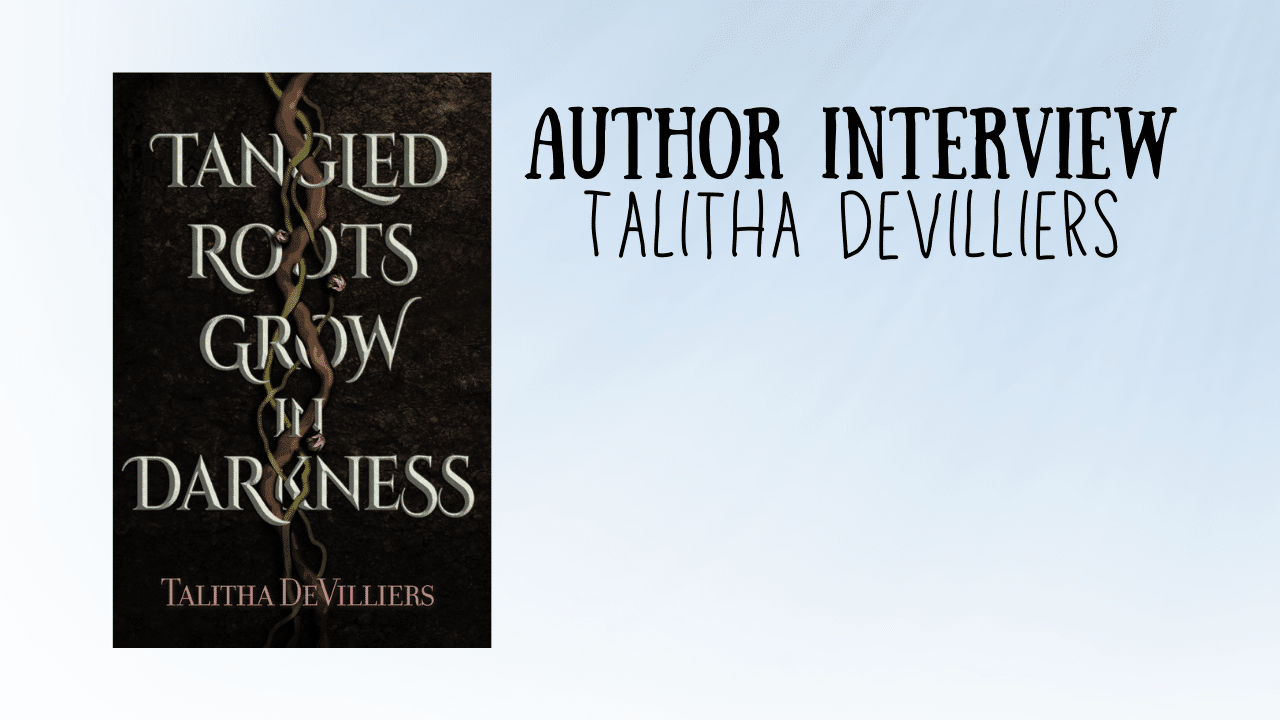
I interviewed psychologist and author Talitha DeVilliers about her work, what inspires her, and the creative process behind her new book, Tangled Roots Grow In Darkness.
Tell me a bit about who you are.
I’m a psychologist with a background in working with children with developmental disorders. More recently I’ve worked with veterans as well. I come from a family that travelled often as a I grew up, so I developed a sense of curiosity and adventure that has never left me. I’d love to see as much of the world as I possibly can. In my spare time, I love to read, write, watch NBA and college football games, and play board games.
When did you first WANT to write a book?
I can remember wanting to write books back in middle school. I always wanted to be a writer and have spent free time writing creatively as long as I can remember.
When did you take a step to start writing?
I always wrote for the fun of it as a creative outlet. I had some months free between finishing my graduate school coursework and dissertation and beginning my internship. I took that time to start writing my first full-length novel. That was back in 2013. I’ve done more novel writing since then, but “Tangled Roots Grow in Darkness” is the first that I’ve seen through to publication.
How long did it take you to complete your first book from the first idea to release?
Tangled Roots Grow In Darkness by Talitha DeVilliers
It took about a year. I wrote the first couple of drafts over the three months that I was out of work due to the COVID-19 shutdown.
Given the jobs I had at the time, I was very busy when I went back to work, so things slowed down. Over the next 8 months or so, I gradually went through a few more drafts. Over the next 3-4 months after that, I went through line editing, got a book cover designed, and navigated self-publishing until it was released in June 2021 for ereaders and in August for paperback.
What were your biggest challenges with writing Tangled Roots Grow In Darkness?
While I went through the first few drafts, I found myself having difficulty seeing the forest for the trees, so it helped a little bit to go back to work and take a step back. However, once I went back to work, I had a hard time finding time to revisit the novel and work on it. It somehow worked out, though!
Who or what inspired you when creating your Protagonist?
My story as a whole was actually inspired after I read a YA book series that I thoroughly enjoyed but that left me somewhat disappointed by the way the primary love story was concluded. I decided to write a YA romance myself. The protagonist wasn’t inspired by anyone in particular, but I had in mind from the start a young girl who was really an innocent and naïve fish out of water.
Who or what inspired you when creating your Antagonist?
I’m a psychologist, so the antagonists in my stories are often personal demons. In “Tangled Roots Grow in Darkness”, I don’t have a distinct villain that is present throughout the story, but there are a couple of characters whose malevolence ends up being highly impactful in the lives of several characters.
What is the inciting incident of Tangled Roots Grow In Darkness?
The novel’s main character is Cory Perle. She’s a poverty-stricken young woman who has to take care of her uncle who can no longer work. At the outset of the story, she loses her job and cannot find another in the poor town where she lives. The inciting incident occurs when her kindly neighbor presents an opportunity for her to work in the nation’s capital city, which requires her to leave her uncle and feign education and experience in her new post.
What is the main conflict of Tangled Roots Grow In Darkness?
This is a coming-of-age novel, so each main character has a personal struggle to contend with. For the main character, she faces a new city and a new job she is unprepared for, as she must provide for herself and her uncle. Her new life in a dangerous city brings with it unforeseen adversities, and she is tasked with having to cope with these challenges and find herself in the process.
Did you plot Tangled Roots Grow In Darkness in advance, or fly by the seat of your pants and write freely?
I wrote freely, which is what I’ve always done. I had the beginning and ending in mind to start, but the middle fleshed itself out as I went. A lot more was added, removed, or changed through the various drafts.
Did you get support with editing, and how much editing did Tangled Roots Grow In Darkness need?
My mother helped a lot with editing initial drafts, as it’s easy to miss things when you read them the same way a hundred times. Eventually, I did get line editing done. It was helpful to see where the editor made remarks, such as requesting certain clarifications. I was pleased to find that there weren’t too many story remarks. A lot of the grammar edits turned out to be personal preference kinds of suggestions too. I was pleased to see there were no significant changes needed but only some small things to fine tune it.
What is the first piece of writing advice you would give to anyone inspired to write a story?
I would suggest reading a lot of material in the genre you want to write. Get a feel for how popular books in those genres are paced and unfold. Also know your audience.
Can you give me a hint about any further books you’re planning to write?
I’m always writing different stories at the same time, and I jump between them depending on my mood. The one I’m most focused on now is a contemporary YA fiction novel. As a psychologist, I’m attracted to stories of tragedy and resilience, which is a theme of “Tangled Roots Grow in Darkness”. I’m continuing with that in this next novel as well. It’s a coming-of-age story about a high school girl whose brother is killed in a car accident, and she ends up discovering family secrets she never would have known had tragedy not struck her family.
And, finally, are your proud of your accomplishment? Was it worth the effort?
Absolutely! I’m not one to give up on a goal simply because it takes a long time to accomplish. It took me much longer to get started writing professionally than I thought it would, but it has definitely been worth it!
Pop all your book, website and social media links here so the readers can find you:
Donate to support The Table Read We strive to keep The Table Read free for both our readers and our contributors. If you have enjoyed our work, please consider donating to help keep The Table Read going!
Processing…
Success! You're on the list.
Whoops! There was an error and we couldn't process your subscription. Please reload the page and try again.
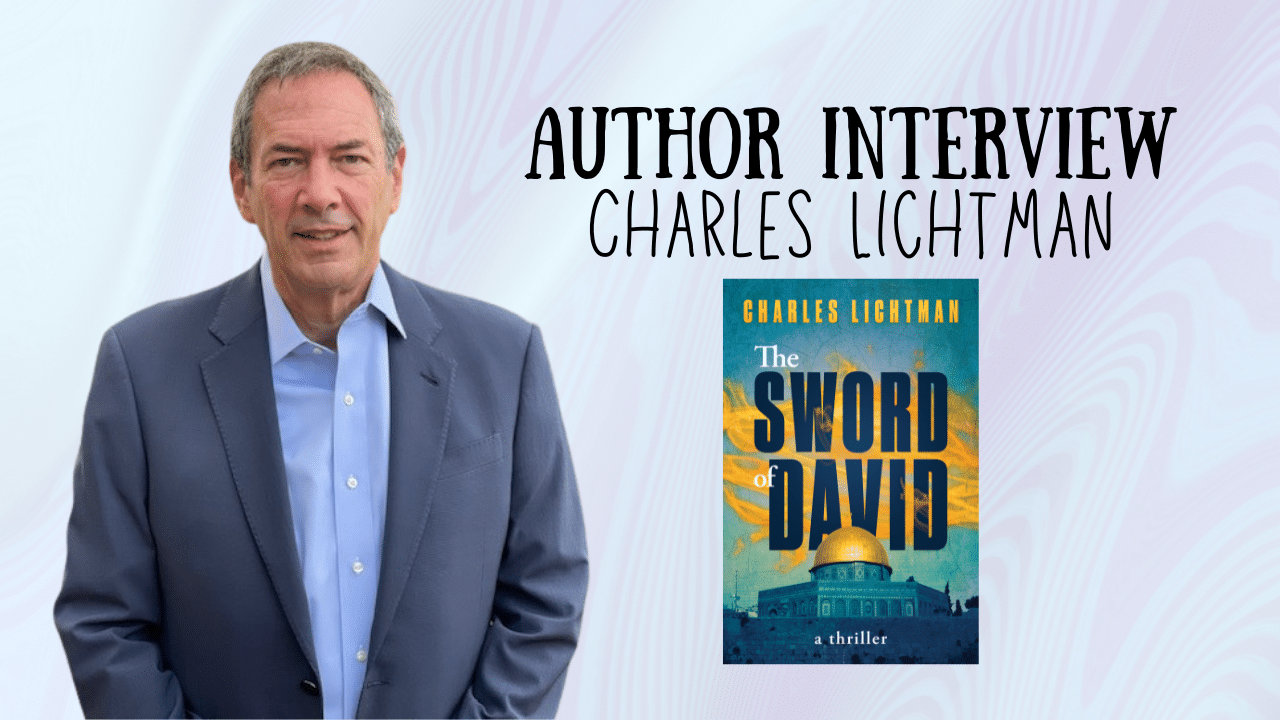
I interviewed Charles Lichtman about his fascinating career, what inspires him, and the creative process that went into his new novel, The Sword Of David.
Tell me a bit about who you are?
I’m a lawyer by trade having practiced complex business litigation in South Florida for forty years. I’ve twice been awarded “Lawyer of the Year” by the leading attorney rating service, Best Lawyers in America. I’m a civic activist at heart, having worked on elections for fifty years, including founding a national voter protection program immediately following my representation of Vice President Gore in the 2000 Bush/Gore Recount.
Charles Lichtman, author of The Sword Of David
That organization was merged into the Democratic National Committee and is utilized nationally every election cycle, and I have also served as lead counsel in Florida for John Kerry, Barack Obama and Joe Biden working to make sure that EVERY voter, regardless of political party affiliation, has the right to vote and that their vote gets counted.
Notwithstanding, in my mind I have always been and will be a writer. Writing is in my blood and I am now spending more time writing than anything else. In connection with my writing, long ago I developed expertise in terrorism and Middle East affairs, and that comes out in my novels.
When did you first want to write a book?
One night when I was a young boy, my Uncle Al took me to go see the James Bond movie, From Russia With Love. After the show, Uncle Al asked me what I thought, and I told him effectively it was the coolest, greatest movie ever, and that I loved James Bond. Uncle Al went upstairs and came back a few minutes later with a bag filled with nine paperback versions of Ian Fleming’s Bond novels. I read them one after another and then literally announced to my parents that when I grew up, I wanted to write spy novels. I never strayed from that goal, although I became a lawyer, and The Sword of David is now my second Middle East based thriller.
When did you take a step to start writing?
I don’t remember when I started writing, but my best guess it was around the time I saw From Russia With Love. I do know that by the time I graduated high school, I wrote numerous short stories, a play (which I also produced and turned a profit), many editorials to the local newspaper, and I was on the high school newspaper and served as its Editor-in-Chief. There has never been a point where I wasn’t writing something.
How long did it take to complete your first book from the first idea to release?
Approximately five years. On January 20, 1993 I was watching the first Clinton Inaugural Ball (then called the National Ball) on television, taking place in the Kennedy Center, with every dignitary you can imagine being in the room. It hit me that if our enemies really wanted to damage the United States, they’d attack the National Ball. I grabbed a legal pad, and worked on an outline until almost 6:00 a.m. I began researching and writing the story immediately thereafter. I finished it a few years later, then it took a while to find an agent, and then another period of time before my agent found a publisher. The Last Inauguration was released in 1998.
How long did it take you to complete your latest book from the first idea to release?
From start to finish it took about fifteen years to get The Sword of David in final form and published. Once the book was written, I actually found an agent and publisher quickly. However, given a combination of my being a dad to two then teenage girls, having significant law firm and client responsibilities, and given my work on elections and growing my voter protection organization, writing had to come last.
What made you want to write The Sword of David?
The Last Inauguration was a great story and well-received, but I concluded after the fact that it was written with the same formula as every other espionage type thriller: Good guy hero chases bad guy to stop some significant threat, and at the end, the good guy prevails. I’ve read and love Ludlam, Clancy, Silva and ten more great spy thriller writers’ stories and I enjoyed them all. But I realized that I wanted to write an espionage thriller and break the formulaic mold doing so. Thus, my goal was to fashion not just a storyline that no one else had written, but that it wouldn’t just end with the antagonist losing or dying. And I wanted to tell a story based on world events and actual history that upon reaching the conclusion, would move people to conversation about the state of the world.
So with those concepts in mind, I outlined the conclusion to the story first, being aware that no one period had written a story with this arc and particularly, this ending. Then I somewhat outlined backwards to figure out how to get to the conclusion with the pieces of the story fitting together. Over time, the outline changed a lot as I interwove issues, facts and the present day realities of the Jewish people, Israel, the Palestinians, Christianity, Islam, Middle East politics and terrorism. Most of that was easy for me because as to the Middle East and terrorism, I had been studying those arenas very closely, nonstop since 1972, when I was only seventeen. The more I outlined, thought things through and sketched out characters, the more convinced I was that The Sword of David would be and indeed is, a truly unique story.
What were your biggest challenges writing The Sword Of David?
Making sure that by the time I finished writing, that the very complicated story flowed smoothly into the conclusion. To accomplish this, I extensively researched all of the historical events, religious and cultural issues, and visited every locale I wrote about, where feasible. For instance, I made numerous trips to Israel and spent a significant amount of time in Jerusalem, including where the Palestinians generally lived being East Jerusalem and the Arab Quarter of the Old City. But I also visited Ramallah and Hebron in the West Bank. I spent time talking to ordinary Palestinians to understand what they were thinking about Israel and the conflict in the region that has existed for far too many generations.
I also travelled to and researched in London, Paris, Rome and Istanbul. I couldn’t travel to Saudi Arabia, Lebanon or Ethiopia, so I spent a ridiculous amount of time finding photos of locales and doing deep internet searches for data on those locales, so that chapters in those places would feel authentic. As an example, an early chapter in the book takes place during the Hajj in Mecca. I’m confident the reader will feel like they are there.
Who or what inspired you when creating your Protagonist and Antagonist?
I formulated both the Protagonist and Antagonist only by how I wanted them to be viewed by the reader. As to my Protagonist, Chaim Klein, I designed a complicated character who has some deep seeded personal issues and flaws. I love James Bond, Jack Ryan and Gabriel Allon, but those wonderful characters and most of the heroes in spy thrillers don’t have many warts on them.
The Sword Of David by Charles Lichtman
I wanted my lead character to be different and be significantly flawed, yet still strong enough for the reader to identify with him. That’s because everyone has flaws, even including me, so my belief is that people can still identify with a very heroic but flawed character.
The antagonist is a bit more stereotyped, because he is a trained and experienced terrorist. As I mentioned above, I’ve been studying terrorism just shy of 50 years. My observation is that the typical Jihadi terrorist mentality is pretty much universal; they believe the Koran says if you don’t strictly abide by the fundamentalist version of the Koran, then you should be killed. These people have absolutely no regard for human life. So once you accept that notion as fact, terrorists are simply trained to create havoc and commit murder. There is an on-point couple of pages involving the Taliban, based on actual events that are disturbing, yet they are reality.
I know that I understand terrorism and the terrorist mentality, and that I get it right. The antagonist in The Last Inauguration was the real life Carlos the Jackal. Very shortly after I finished writing that novel, Carlos was finally arrested after committing some of the most notorious terrorist acts ever. I contacted his lawyer in Paris, Isabelle Coutant Peyre, and after some discussion through her, Carlos actually agreed to give me his first interview ever, but not until he read my novel. After doing so, Carlos hand wrote me a letter from LaSante Prison in Paris where he was being held, which I still have to this day. He wrote, “I have just finished reading ‘The Last Inauguration,’ and I must admit that although I am depicted as a rogue mercenary mass murderer, I did have a few good laughs seeing myself in the most unseemly situations, some of which could have happened in real life.” Doesn’t that say it all?
What is the main conflict in The Sword Of David?
It’s a 1000 year old conflict. The Catholic Church, through Popes and European Kings, invaded the Middle East to commit the Holy War that we know today as the Crusades. Even now much of the Arab world has never forgotten that multi-hundred year systemic war and great animosity on their part still exists, even though the last crusade ended in 1271. As a result of the Crusades and other historic events, the radical Islamist hate Christians almost as much as they hate Jews. This is still most evident in Israel given the continuing battles the Jewish community faced in ‘Palestine’ long before Israel became a country in 1948. Look at the Middle East map: Lebanon, Syria, Iran, Iraq, Turkey, Afghanistan, plus of course, part of the Palestinian population, whether located in Jerusalem, the West Bank or Gaza are all located north and in close proximity to Israel. All of these enemies stated goal is to “drive the Jews into the sea.” This conflict is far greater than that of communism versus democracy.
Did you plot The Sword Of David in advance, or fly by the seat of your pants and write freely?
Because of how I outlined the book to make sure that I had a logical progression to get to my ending, I knew where I was going on a chapter-by-chapter basis. That being said, as I wrote every chapter I wrote freely, and all sorts of ideas popped into my head. Those impromptu thoughts led me down all sorts of rabbit holes and to me somewhat overwriting the book. In fact, my initial completed and edited first draft of the book was almost double the pages of what is being printed, so there was a lot of clean-up work to do.
Did you get support with editing, and how much editing did The Sword Of Davidneed?
As a lawyer whose job is to write, and as a trained journalist, I certainly learned long ago how to edit. Notwithstanding, I knew the book needed a substantial fiction edit because as I’ve indicated, my first final version was very long. Thankfully, my agent, Tom Miller, was formerly a fiction editor for one of the major publishing houses, so he took a crack at part of the book and convinced me that if I wanted the book sold, no matter how good my first version was, it would be deemed too long for publication. He hooked me up with another free-lance editor, Dana Isaacson who helped me immensely in shortening the book while keeping the entire story effectively intact. What got cut out was lots of accurate description about people, places and history. I actually still love that version of the book, but the reader will truly enjoy the final version of The Sword of David because it’s a great story with enough detail, and it reads very fast with lots of action.
What’s the first piece of advice you would give to anyone inspired to write a story?
I have been asked that question literally at least 100 times by people who say they have a great story and want to write a novel. My response has always been, “Then write the book. Writer’s write.” It’s that simple. I have heard numerous times that only 1 out of 100 people who say they want to write a novel actually finish it. Again, writer’s write.
Can you give me a hint about any further books you’re planning to write?
I think my readers will like to see where my story of my hero, Chaim Klein, goes next, as well as how I deal with the ending of The Sword of David. I’m already outlining his continuing saga. But I also have lots of notes of other stories I’d like to write, so we’ll see.
And, finally, are you proud of your accomplishment? Was it worth the effort?
Absolutely, it’s a totally unique , fun, educational and thought provoking story. I’ve attained my goal. My hope is that the book sells tons of copies, NOT for the money, but for people to understand the message of the book and to start a conversation about what needs to be different out there in the world.
All the links so readers can find Charles Lichtman:
My readers can catch me at www.chucklichtman.com, and my email is chuck@chucklichtman.com. I can also be found on Facebook as Chuck LichtmanWriter, on Instagram and twitter @chucklichtman.
Donate to support The Table Read We strive to keep The Table Read free for both our readers and our contributors. If you have enjoyed our work, please consider donating to help keep The Table Read going!
Processing…
Success! You're on the list.
Whoops! There was an error and we couldn't process your subscription. Please reload the page and try again.
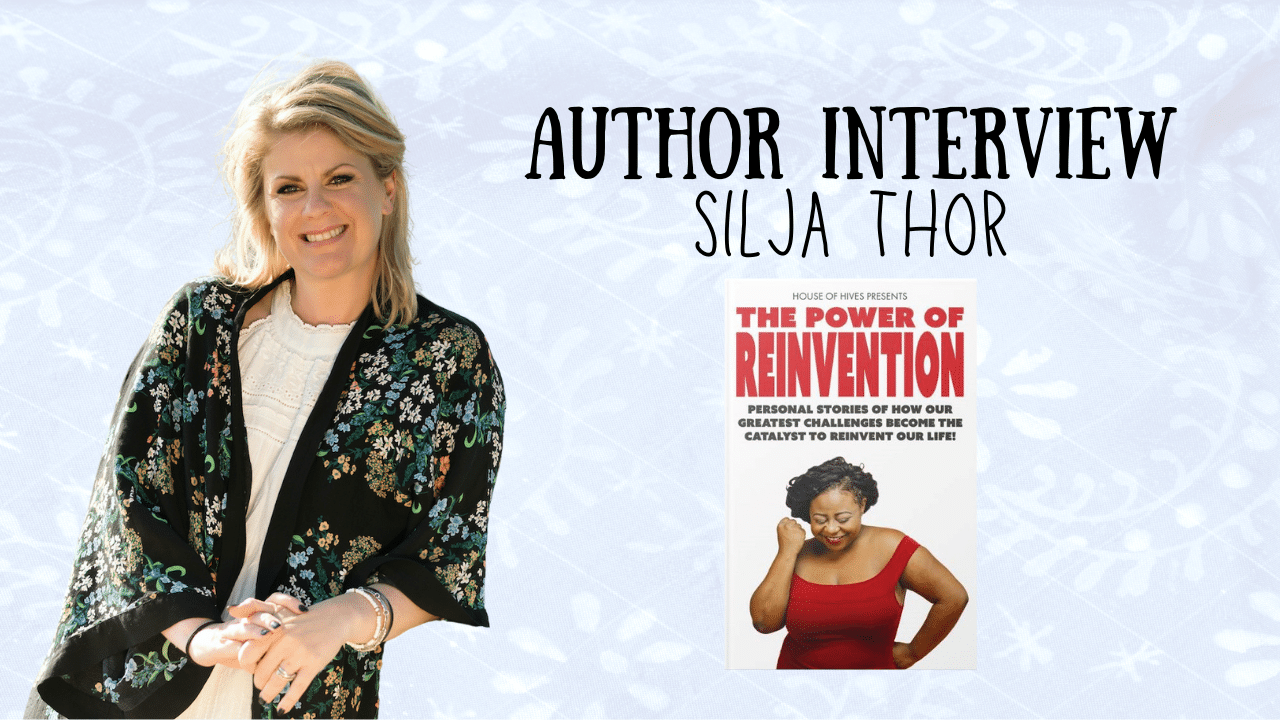
I interviewed Silja Thor about the story she wrote for the new book, The Power Of Reinvention, her career, and what inspired her.
Tell me a bit about who you are.
I am a serial entrepreneur and business mentor, and my work is all about helping people to build businesses that work for them. There are so many entrepreneurs out there who live their lives in a constant state of stress. By working with me, they come to discover that it is completely possible to hit their biggest business goals without losing out on life. And I think I’m so successful at what I do because I can draw on my own experiences.
For many years, my work completely overwhelmed me. But, when I had my daughter, I started to realise that there are more important things. I decided that I didn’t want to be the first person to drop my child off at daycare and the last person to pick her up. It was time to make my business fit around my other priorities and not the other way around.
Silja Thor, author of The Power Of Reinvention
So, I chose balance, and I managed to do it in a way that meant I wasn’t sacrificing my income. In fact, I was finally paying myself a decent salary! I aim to help my clients achieve the same results.
When did you first WANT to write a book?
It’s actually something I’ve always wanted to do! But I am a big believer in only sharing from the scar and not from the wound. Even when I was right in the thick of things, including bankruptcy and relationship difficulties, I knew part of the reason why those things were happening was so I could share them further down the line.
So, although the desire was always there, it made sense to wait. I knew at the time that I was meant for greater things, but it was still too raw and vulnerable to delve into. Then, when it was over, that’s when I really felt compelled to share. I felt that, if my story could help just one person going through the extremes I lived through, then it would be worth it. Whether they’re struggling with money or toxic relationships, I want people to know there is a light at the end of the tunnel.
When did you take a step to start writing?
One of my clients is a book coach and, during one of our sessions, we were working on her concept. It was a co-authored, non-fiction book by a group of women and I thought they were so brave for telling their stories in such a raw, real way. It just got me so inspired! I remember thinking to myself: “Okay, I’ve got to share my story, too.”
How long did it take you to complete your first book from the first idea to release?
Even though my contribution to the book is only a chapter, it took some time to navigate what I was going to write about. I had to get comfortable with the idea of sharing something that still made me feel so vulnerable, and I dealt with a lot of feelings of shame and embarrassment. That was actually the longest part of the process!
But, once I knew what I wanted to write about, it took me less than a day to write the chapter in full. After I sent the first draft off that same day, there were just a few hours before I got it back from the editor. Then, it only took me about an hour to finalise everything.
So, it was all very quick once I’d worked out the angle. The chapter that you’ll get to read is completely unfiltered because, in the end, it was written from the heart.
What made you want to write The Power Of Reinvention?
Well, the chapter is about a time in my life where I essentially had to go through hell and back. Then, afterward, I went through a difficult but necessary process of reinvention, and it’s only since then that I’ve come to really understand myself. But I don’t want people to have to go through the hardships I experienced in order to get to the other side.
So, I suppose I had two reasons for deciding to contribute to the book. First of all, I wanted it to be inspiring to anyone going through a tough time in their lives and to show them that things will change. And, secondly, I want people to know that, no matter how hard things get, you can always reinvent yourself.
What were your biggest challenges with writing The Power Of Reinvention?
The Power Of Reinvention by Silja Thor and others
My biggest challenge was myself. The topic I wrote about is very personal and, when it was I going through it, I felt it was quite embarrassing. It was my past, and I had to get over the fact that I didn’t really want people to know that part of it. Really, I struggled with wanting to keep it in the dark. So, coming to terms with the idea of bringing it to light was definitely the toughest thing I dealt with.
What was your research process for The Power Of Reinvention?
I didn’t really do any research for the book, but I didn’t need to. The chapter is all about my story and my experiences. Rather than spend time researching, what I needed to do was tap into my past and get into a flow, which is exactly what I did.
How did you plan the structure of The Power Of Reinvention?
The structure of the book was already planned out for me, so I didn’t have much to do in that regard! I had one chapter to deliver, and the structure of that is just six pages of personal storytelling.
Did you get support with editing, and how much editing did The Power Of Reinvention need?
I did! Before I began writing, I signed off with House of Hives, which is an incredible publishing house. They were fantastic and really took care of everything. All I had to do was write the raw draft and then, when I sent it off, they worked their magic and edited it.
And, not only that, but they also helped to guide me through the whole experience. From brainstorming meetings to the final product, they were incredible every step of the way. That made me feel really comfortable, meaning I could just focus on getting down my story without worrying about the writing style.
What is the first piece of writing advice you would give to anyone inspired to write a book?
The first and most important thing you have to do is tap into your “why.” Ask yourself why you want to write a book and what story you have to tell. I believe that we all have a story to share and finding yours is the key to getting started.
Silja Thor, author of The Power Of Reinvention
Then, you have to try not to overthink it. Always remember that we all have something to say that the world needs to hear. Your story could be the catalyst somebody needs to make a shift and change their life.
Can you give me a hint about any further books you’re planning to write?
My plan is to write a book about money. It’s going to be based on my own relationship with money, which was very messed up once upon a time. I used to really struggle to make ends meet, so much so that it became this constant mental and emotional drama. The next book, then, is going to be all about that and how I ultimately overcame my money worries.
It’s something that I see all the time, whether in my clients, myself, or my friends and family. Most of us, really, have a twisted relationship with money. My goal is to destigmatise and personalise it a bit through a tell-all story and some practical tips.
And, finally, are you proud of your accomplishment? Was it worth the effort?
Hell, yeah! I am so proud of what I’ve achieved, especially considering where I was at the start of the process. I got there with blood, sweat, and tears and I couldn’t be happier with how it turned out.
Plus, writing my chapter gave me an incredible sense of perspective. I am so stoked to be where I am right now and to see how beautiful life is. I really didn’t feel that way when I was going through what I wrote about in the book.
Pop all your book, website and social media links here so the readers can find you:
Donate to support The Table Read We strive to keep The Table Read free for both our readers and our contributors. If you have enjoyed our work, please consider donating to help keep The Table Read going!
Processing…
Success! You're on the list.
Whoops! There was an error and we couldn't process your subscription. Please reload the page and try again.
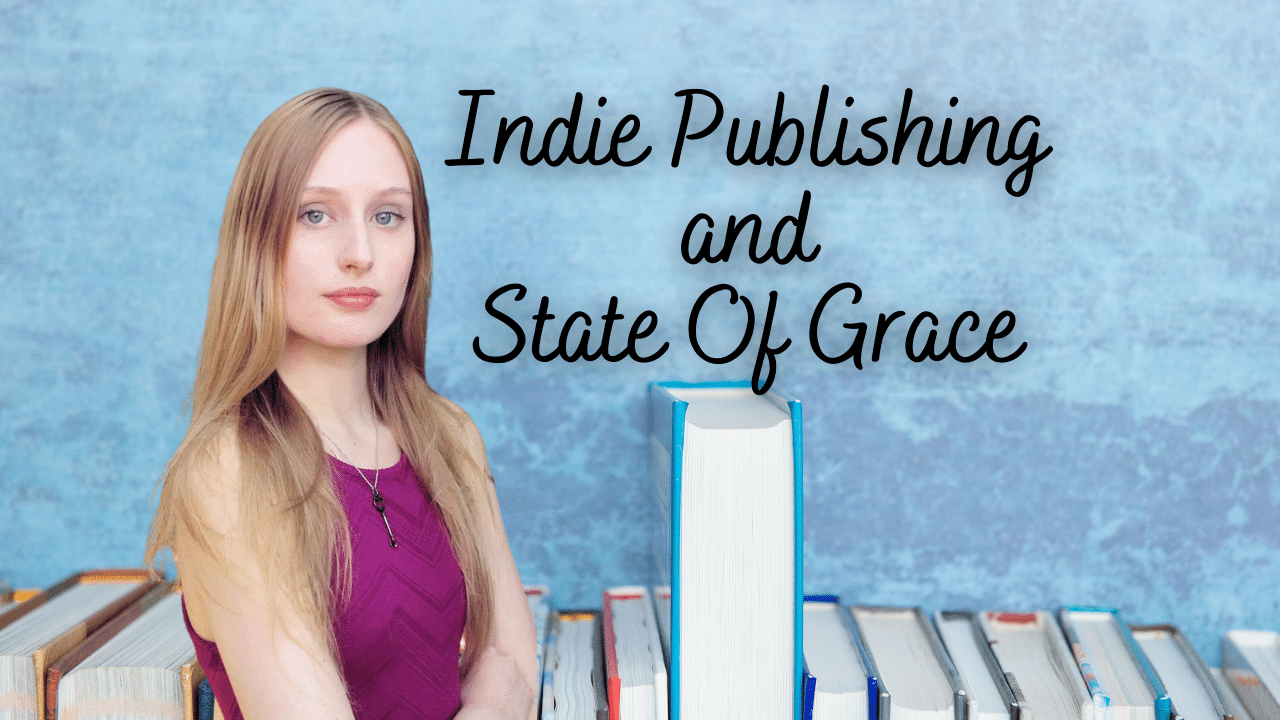
Sydney Walters, indie author of novel State of Grace, the first in a young adult series based on true events, is also a copywriter and marketing professional from Washington, D.C.
Her story is based solely on the tragedy of the town of Centralia, Pennsylvania, USA. Sydney was inspired by these true events to write her debut novel.
The Inspiration Behind State Of Grace
In the year 1962, a coal mine eruption took place beneath the town in a coal mining vein. The damage was catastrophic, nearly destroying many parts of the town and eventually lead to an evacuation of it’s residents. However, not everyone was willing to leave so quickly.
Sydney later discovered that the stubborn ignorance of small-town America can run as deep as coal, and it disturbed her down to the core.
As the town is still burning below to this day, she was baffled that there were hundreds of people who decided to stay and raise their families on such literal broken foundation.
As Sydney did a deep dive into some archives on the town, she discovered a story about a young boy who had fallen through a sinkhole in Centralia. Luckily, this young boy survived, but Sydney knew that that was just it: it was all luck.
How this many people could be living in a town where hell was burning below them sparked a fire of her own inside Sydney, and thus her story, State of Grace, was risen from the ashes.
State Of Grace by Sydney Walters
Writing State Of Grace
The story follows the young protagonist, Grace, and what it’s like for her to grow up in the crumbled town of Centralia with her baby brother, Sam. After some unexpected tragedy and loss, Grace must fight for her life to get out of the town and move forward, while simultaneously addressing the past that she cannot escape from.
On November 24th, 2019, Sydney sat down at a favorite local spot of hers, trying to find some inspiration for a short story.
She had been suffering from anxiety for years and was trying hard to get back into writing as an outlet, when she used the research on Centralia to write a story of her own. On that same day, she had written over 2,000 words and was so excited, she almost forgot to pay her bill on the way out of the restaurant.
Finding Her Voice
Growing up, Sydney was the quiet and shy kid in her class. She recalls numerous times of being interrupted, talked over, or completely ignored for many years, which greatly effected her self esteem. So, Sydney turned to writing as a way to sound her voice.
If nobody would listen to Sydney, she thought that perhaps they would read her words instead. Writing from an early age, around ten years old, by the time she was 23 she had a full manuscript ready to be sent out into the publishing world.
Indie vs Traditional Publishing
Indie publishing was the obvious choice for Sydney for a few reasons: Creative control, timing, and owning the rights to her work.
Being an author means creating original work, whether it be from your heart, soul, or a complete brain-dump of information. Originality is important to Sydney, and she did not want to give that up. While traditional publishers will sweep through a manuscript and perform an entire content edit, indie publishers focus on grammar, punctuation, and consistency.
Time plays a huge part in why she chose this route as well. Traditional publishing often takes much longer, with a process deeming as long as the publishers see fit, no matter what the author had foreseen for a launch date. When done Sydney’s way, she was able to have specific dates and deadlines mapped out for her, and it gave a heavy sense of relief.
Owning the rights to her work was important to Sydney. To have her story re-written for what someone else says will sound better or sell better removes the authenticity of the art form, and it was not something that she wanted for her book at that time.
Sydney vowed to send her writing into the world straight from her mind, to her hands, and finally, to the printer.
The Power Of Story
Sydney has overcome struggles of her own by writing through her protagonist, Grace, and hopes that her story will reach young girls that felt the way that she did when growing up.
She also hopes that her story will reach readers that struggle with dyslexia, as she had the book formatted with certain fonts, page colors, and line spacing so that it is easier to read.
In a world where women and girls are far too often silenced, Sydney’s words speak loudly enough to shine a light in the darkness, through the smoke and the ash.
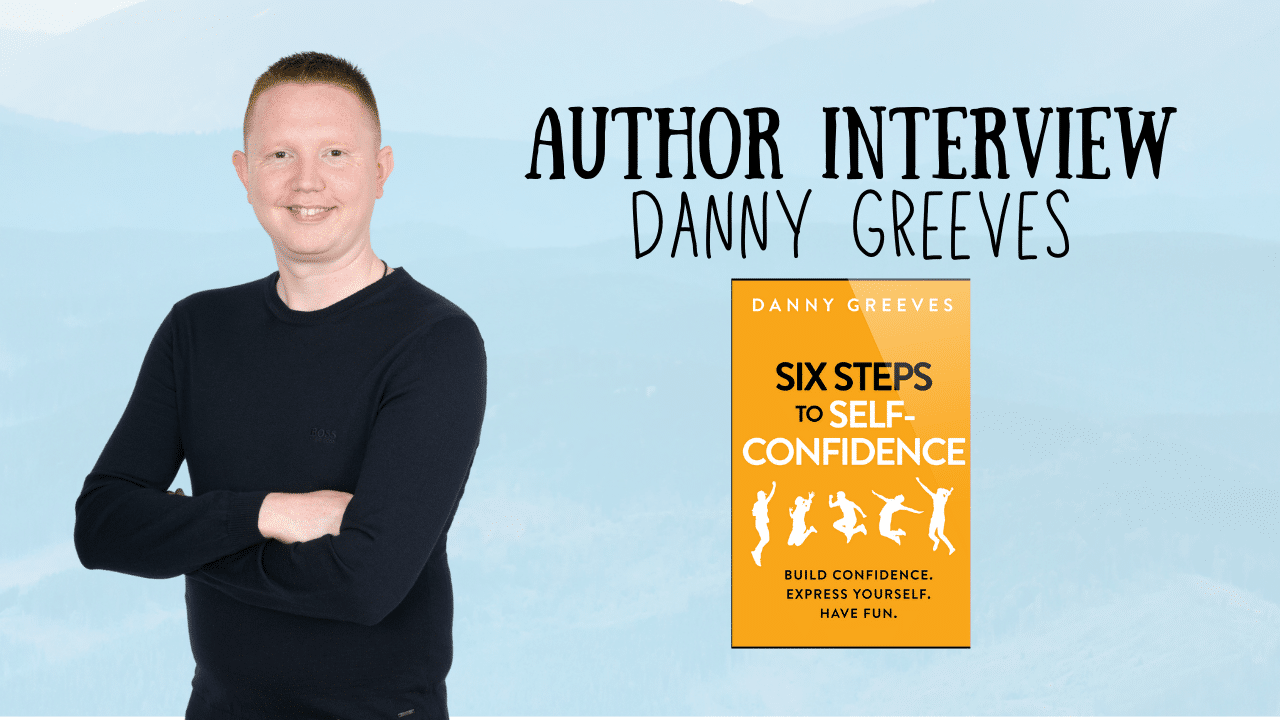
I interviewed physiotherapist and author Danny Greeves about his new book, Six Steps To Self Confidence. He talks about his career, his motivation, and how he aims to help people.
Tell me a bit about who you are.
Danny Greeves, author of Six Steps To Self Confidence
I’ve always had an interest in the human body and the nervous system; I qualified as a physiotherapist in 2009 and have worked in a range of different areas, but I loved learning about how the brain works. Although my career was going well I’d long struggled with low self-confidence, particularly around body image and negative self-talk. My personal life and career both became centre stage in 2015 when I broke down in front of a class of 20 or so students when talking through some of the challenges I’d faced. After this I made a firm decision to get some help and get my issues sorted.
What happened next was an incredible few years of transforming my confidence and self-image and finding a love of helping others express themselves and feel confident. Over the last 6 years my mission has been to give people the tools that consistently and predictably boost self-confidence.
When did you first WANT to write a book?
I have read a lot of books over the last 5 years in particular, and I often imagined seeing my own book up on the shelves and being published amongst some of the inspiring teachers that have helped me. But I didn’t really believe I could actually write one. It was a nice dream to have but not one I thought I would act on. Then at the beginning of 2020 I was on another course and the instructor shared a phrase with us – ‘It’s not the book you read that will change your life, but the one you write’. At that moment something shifted and I decided I really wanted to write my first book.
When did you take a step to start writing?
I was certain that I would only write about something that I was inspired to share and that would give people value. I started some brainstorming about different topics and ideas I would like to write about. After a week or so of refining ideas and coming up with a concept for a book, I finally settled on the topic and the structure. As soon as I had these two pieces, I started devouring audiobooks, books, YouTube channels and websites to find out more about how to structure it. There is so much helpful content out there that I was ready to start. I began writing at the beginning of the first lockdown in February 2020.
How long did it take you to complete your first book from the first idea to release?
I set myself the ambitious goal of having a complete draft in 30 days, which was approximately 50,000 words. This involved working on it every morning and some evenings, and I worked on it every Saturday too. After coming up with the concept and starting writing a couple of weeks later, it was late February 2020. I published the completed book on July 21st. The whole process took 4 months from origin to publication.
Six Steps To Self Confidence by Danny Greeves
Focusing on your latest release. What made you want to write Six Steps To Self Confidence?
After giving it some serious consideration I saw an image of what the book would look like in my mind. As soon as I had that image clear I wanted to write the book as soon as I could. I wanted to write Six Steps to Self-confidence for two main reasons.
Firstly, it was an opportunity to reflect and distil all that I had learnt over the previous decade and to challenge myself to write it in a concise and practical way. I really wanted the book to be heavily practical so it could be used time and time again.
Secondly, so many people struggle with low confidence, and it often rumbles on for years and years. Eventually people give up trying to improve it. After my research and my own experience, having found a method that could consistently and predictably help increase confidence, I wanted to share it with as many people as possible and a book is the best vehicle to do this.
What were your biggest challenges with writing Six Steps To Self Confidence?
The main challenge for me was after the draft was completed. I didn’t realise how much work there was to do after the draft had been written. I knew editing would take time, but carefully proofreading a whole book over and over again is time consuming and quite a challenge. If I would have been aware of this in advance, I would have been better prepared for the time and energy it would take. After putting so much energy into getting it to the draft stage, I became obsessed with the editing to make sure there weren’t any errors – large or small.
I would also say the launch was more challenging than I expected. Organising the advanced review team, getting some stock ready to deliver, and sharing the book release with as many people as possible was a challenge. It was really fun once it all came together, but it was a big learning experience.
What was your research process for Six Steps To Self Confidence?
The research was extensive. I had personal experience that the steps being promoted were effective, and part of the reason I was aware of them was because of the research and study I had conducted over the previous years. But I wanted to make sure all the research was as robust and current as possible. After distilling the key points of the book into six steps.
I began conducting research across multiple journal sites to find the highest quality studies I could find. The research actually continued right up until the end as I would periodically check-in to see what had been published. At times it was enjoyable as I would learn new pieces of information, and then at others it was time consuming and frustrating.
Danny Greeves, author of Six Steps To Self Confidence
How did you plan the structure of Six Steps To Self Confidence?
I knew very early that the bulk of the content would be focused on each of the six steps, so that element was easy to plan. The challenge for me was in what way do I set the context and provide enough background information to make the book engaging and interesting.
I decided the most authentic way for me to explain how important the six steps were to me was to start with my own personal story, and I think that sets the scene nicely! For the conclusion of the book, I wanted to give the reader a personalised blueprint of how they can take these ideas forward and implement them into their lives. In terms of the structure, I set my intention towards setting the context, providing the content, and then providing an action plan.
Did you get support with editing, and how much editing did Six Steps To Self Confidence need?
The editing was the most energy consuming component of the book, which I did not anticipate! I received support from two professional proofreaders and editors. They were invaluable in terms of helping the book be as concise as possible. It helped that both the editors were very similar in profile to my target audience. The benefits of this were that they provided some commentary on certain ideas and helped to emphasise the most meaningful points. The editing was intense in effort but relatively brief in time, and within 4 weeks of the initial draft all the editing was complete. I’m very grateful to both of them.
What is the first piece of writing advice you would give to anyone inspired to write a book?
Danny Greeves, author of Six Steps To Self Confidence
The first piece of advice would definitely relate to the early stages of the process, getting a plan together. After I put some time in to create a strong and detailed plan, I was certain I would be able to write it and I was inspired to complete the whole project. Looking at my plan, there was no way I would give up until it was written, and that is the power of a good plan. The chunking process is really helpful for this.
Begin by getting your key ideas down, and then break each of those into more detailed subsections, and then do the same process again for each of the subsections. By this point, you will have such a detailed idea of the content and the structure, your mind starts bubbling with inspiration to get writing – and there’ll be no stopping you.
As a bonus piece of advice, I would definitely recommend setting out some treats and rewards for reaching certain stages/milestones of the book project. This way the whole process becomes more enjoyable and you can celebrate the little wins along the way. Writing a book is definitely a mixture of both pain and pleasure.
Can you give me a hint about any further books you’re planning to write?
I will certainly be writing more books. I have two in mind at the moment I’m sure that may evolve over time. I have discovered that there are some real, tangible steps anyone can take to strategically and methodically increase confidence. At the moment they are secretly tucked away in my training programmes, but I think they would make a very inspiring follow up book.
And, finally, are you proud of your accomplishment? Was it worth the effort?
The launch day was very special. Not only did it feel like a great achievement, it was also a demonstration of huge support from all my family, friends, clients and colleagues. All of them pitched in to help share the word, and even though the advanced review team got complimentary copies, they supported me with buying a copy on launch day. Overall it was one of the best decisions I’ve made, and after publishing it has opened many more doors for me personally and professionally. If you are inspired to write a book, I can wholeheartedly encourage you to do it.
Pop all your book, website and social media links here so the readers can find you:
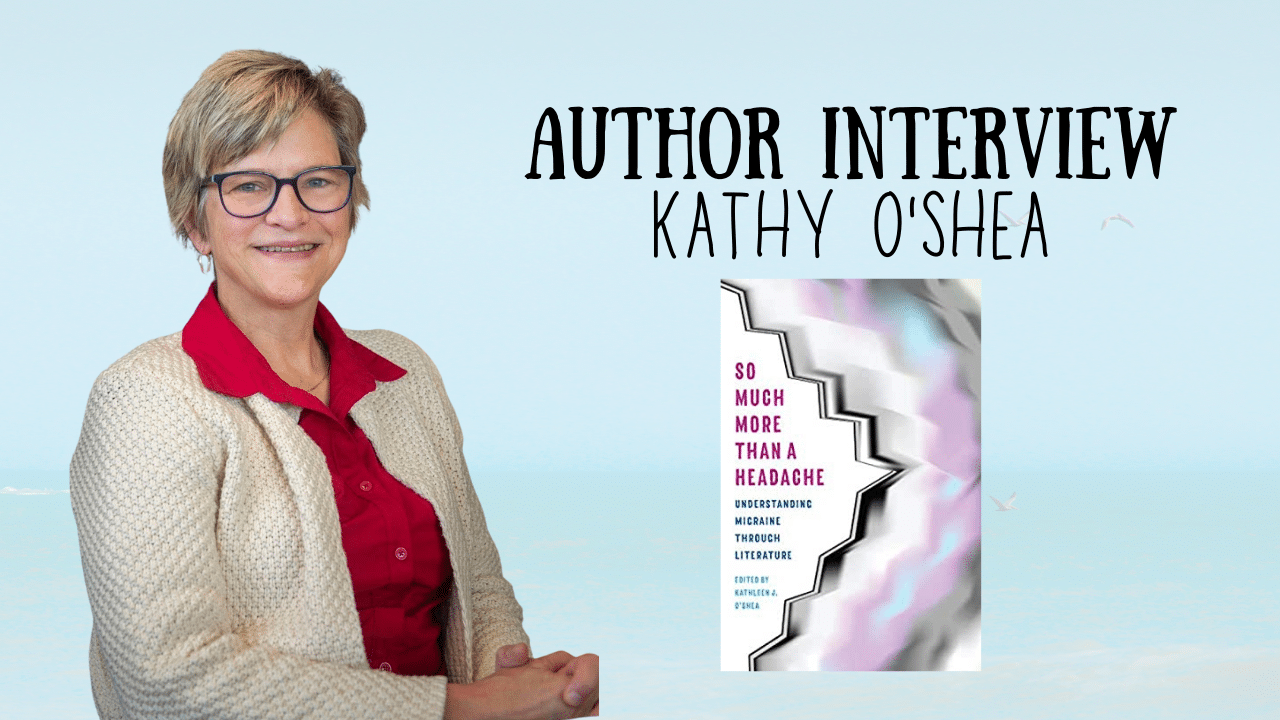
I interviewed Kathy O’Shea about her book, So Much More Than A Headache. She describes what motivated her to write it and how she went from idea to publication.
Tell me a bit about who you are.
Kathy O’Shea, author of So Much More Than A Headache
I have been a professor of English at Monroe Community College for 34 years and a migraine sufferer for 44 years. My husband, a retired English professor, my two beautiful golden retrievers, Oliver (named after the poet Mary Oliver) and Gretta (named for a character in James Joyce’s novella, “The Dead”) and our cat, Gato live in Rochester, NY.
I love to travel, love adventure (I’ve been dogsledding in Eli, Minnesota when it was minus 45degrees, walked glaciers in Iceland, and rafted in the ANWAR in Alaska. I am a 49-year Buffalo Bills and New York Yankees fanatic, love the arts, classical and rock music, and, of course, love to read.
When did you first WANT to write a book?
I had never really set out to write a book. When I first started researching authors writing about migraine disease, I did so as a typical “go to” for me when I’m struggling with anything. When in crisis, turn to literature.
When did you take a step to start writing?
After researching author after author for months, ones who had either suffered from migraine or created characters/personas who did, I first decided to write an essay of my own. It’s now in the book– “I Know Upon Awakening.”
How long did it take you to complete your first book from the first idea to release?
The process was about three years.
What made you want to write So Much More Than A Headache?
I was in the middle of an intractable migraine; I feared it would take permanent residence. I was helpless and feeling very scared and lonely. No one fully understood that migraine is “just a headache,” that it affects your entire being, my headache specialist had retired several months earlier.
I was actually at work and had come back from teaching a class and talking to the chair of my department, when I realized what I needed to do was to turn to what I always have in times of grief or crisis— I needed to read some literature! So, I went to my office to reread Joan Didion’s essay “In Bed,” which had found me when I was in graduate school. I closed my office door and just sobbed— remembering that somebody does “get it.”
At that moment, I realized there must be a lot of writers who have had migraine, and the research began. When I finally did realize that there was potential for an anthology and discovered that no such work seemed to have yet been written, I thought long and hard about who my audience would be and what my reasons would be to edit such an anthology.
I wanted (want) migraine sufferers, their families and friends, and medical professionals to locate even that one piece of literature that moves them, makes them feel less alone, educates them, and creates empathy.
What were your biggest challenges with writing So Much More Than A Headache?
So Much More Than A Headache by Kathy O’Shea
I had never really published before and had no idea how arduous the process is: finding the right potential publisher, writing a proposal, facing reader reviews, obtaining the necessary approvals, writing and keeping track of draft after draft, going through copy-editing, and learning to market my work. The challenge was that I was always learning as we went.
The other major challenge was coming to grip with the “permissions” process, discovering how time-consuming it is to eventually get permissions from authors, publishers, estates so I could include the 54 pieces I have. At the same time, I was ignorant about how costly and sometimes prohibitive the permissions cost is for some literature. If it weren’t for the generosity of Dr. Frederick Godley, President of theAssociation of Migraine Disorders, I would not have been able to fund the project.
What was your research process for So Much More Than A Headache?
I actually started by looking for other essays about migraine, and I discovered that back in 2008, The New York Times carried a blog on migraine, and some truly great writers wrote there about their experience with migraine (two of them ended up in my book). I then used databases and Migraine organizations to help me dig deeper and found this process one of the most enjoyable in compiling the book. A researcher always discovers that one piece leads to another and then another.
How did you plan the structure of So Much More Than A Headache?
I knew from the beginning I didn’t want to organize the book chronologically, but I wasn’t certain how I did want to. I slowly realized that there were overlapping themes throughout many of the pieces.
I focused on audience, as well, thinking about how they could best relate to the literature, and then I came up with the five themes around which the book is organized. Some of the works could be placed in several of the chapters, as they touch on several themes. When thinking about two essays in particular, “In Bed” and “Half-Skull Days,” though, I knew they couldn’t be placed in just one of these areas, so I decided to frame the collection with these two works.
Did you get support with editing, and how much editing did So Much More Than A Headacheneed?
After the two reader reviews came back, I had to do significant organizational revision and broaden my targeted audience. The final editing stages came through several revisions, having asked (several times) colleagues, friends, and my husband (also an English professor) to edit “just one more time”. The series editor contributed significant feedback and suggestions, as well. I also received assistance from the publisher in terms of copy editing, which was very helpful.
What is the first piece of writing advice you would give to anyone inspired to write a book?
Learn the process, develop patience, and accept critical readings as opportunities for the book to grow.
The wonderful part, though, is the passion, immersion, and commitment a writer feels when working on a book.
Can you give me a hint about any further books you’re planning to write?
I have no immediate plans for a next project.
And, finally, are your proud of your accomplishment? Was it worth the effort?
I’m very proud. It’s probably my most meaningful accomplishment. Yes, it was worth all of the diligence, deadlines, writing blocks, and the painstaking process. I feel I have produced something can be so incredibly helpful to its audiences; that’s my greatest hope. The problem is finding ways to get the book into the hands of those people who can most benefit from it. The marketing is difficult and sometimes frustrating.
Thanks to opportunities like the one you afforded me, we can find avenues to expand awareness.
Pop all your book, website and social media links here so the readers can find you:
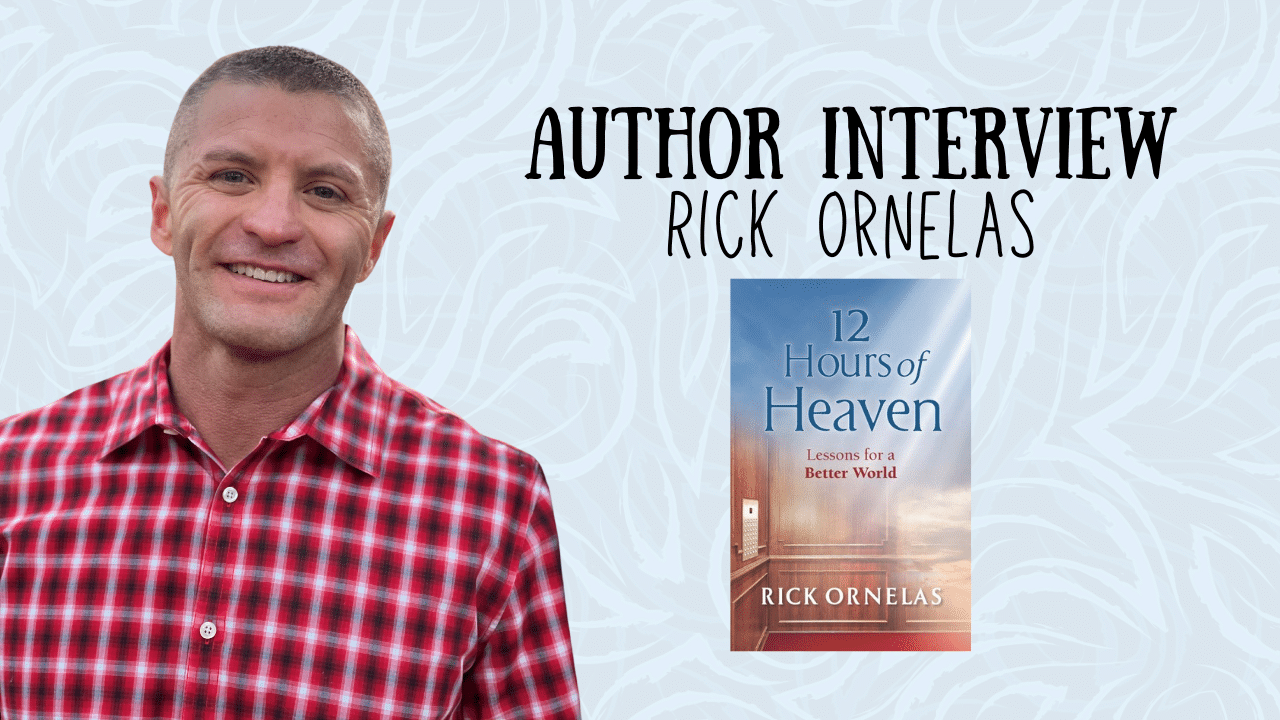
I interviewed author and founder of I Spark Change about his hit book, 12 Hours Of Heaven, what inspired him, and his creative process.
Tell me a bit about who you are.
Rick Ornelas, author of 12 Hours Of Heaven
First and foremost, I’m a father and family man. My wife, Tonya and I have been married for 25 years and I have three beautiful daughters. My family is my world and the reason for everything I do. I’m also a bestselling author, business strategist, and the founder of I Spark Change.
When did you first WANT to write a book?
I initially wanted to write a book about twenty years ago after a near death experience where I was in a major car accident with my wife and two daughters onboard. We all escaped completely unharmed despite flipping a car on the freeway in a rainstorm. Witnesses figured we were dead after seeing the vehicle and were surprised to see us emerge without a scratch. Afterwards, I felt that a miracle had occurred and that a Guardian Angel had protected us. It was during a period of reflection soon after that I evaluated my life and what was important. This is when the idea for my book came to me in an instant. I saw the story that would become- 12 Hours of Heaven; Lessons for a Better World laid out like a movie I had just watched and knew I had to turn it into a book.
When did you take a step to start writing?
Initially I wrote a couple paragraphs very shortly after I had the idea, but it was not meant to be at that time. I quickly forgot about the book and went back to my life. It wasn’t until 2020 that I finally took the first step. Once the world shut down due to the pandemic, I found myself with a lot of time on my hands. I had lost most of my clients from work and began to get isolated and anxious about the future. I realized I had to do something about it so I decided to finally get the story out of my head and turn it into a book.
How long did it take you to complete your first book from the first idea to release?
Well, I guess that depends on how you look at it. One could say it took twenty years from first idea to release. You could also view it from the time I started actively writing to publishing. In this case it would be six months, three months to write and three to go through the publishing process.
How long did it take you to complete your latest book from the first idea to release?
12 Hours Of Heaven by Rick Ornelas
Time will tell. I’ve just begun working on a follow up to 12 Hours of Heaven. I’m pretty busy with everything my first book as led to for me so we will see what the journey looks like.
Focusing on your latest release. What made you want to write 12 Hours Of Heaven?
When I began writing in 2020 times were bad. I saw that the world was going through a lot of struggles, and I wanted to do my part to make it better. I felt that 12 Hours could provide some inspiration and hope for those who were struggling like me.
What were your biggest challenges with writing 12 Hours Of Heaven?
I’d have to say getting started in the first place as I described earlier. I never felt I had the time to write until I was given the gift of plenty of time due to the pandemic. Another challenge was keeping my writing experience to myself. When I was about halfway through my writing I entered a time of intense spiritual connection where the story started to pour out of me. I went from writing 500-1000 words per day to writing over 2000 in a couple hours. I felt as if the story was being given to me by a higher power. This was so intense that I kept it private the whole time it was occurring. It wasn’t until I finished writing that I had the urge to share it with others.
What was your research process for 12 Hours Of Heaven?
Initially I researched tips on writing since I was a first-time author and needed to have a good process to follow.
I also read various books both fiction and non-fiction on Heaven and Angels. I wanted to make my story as accurate as possible with the knowledge I had and what I could learn from others.
How did you plan the structure of 12 Hours Of Heaven?
I saw the story like a movie originally, so I laid it out in an outline and then broke down the content for each chapter. I loosely followed these guidelines through the writing process as I wanted the story to come out naturally.
Did you get support with editing, and how much editing did 12 Hours Of Heaven need?
12 Hours Of Heaven by Rick Ornelas
Absolutely. I knew I needed professional help, so I first spoke to a mentor who had written multiple books to get his advice. He referred me to a publishing consultant and editor. I ended up interviewing multiple editors before I found one that resonated with me and my work.
What is the first piece of writing advice you would give to anyone inspired to write a book?
Get started! I believe that there are many more people with a story inside than those who actually become authors. Many are afraid of the process and all the work. It doesn’t matter how long it takes you just need to begin the journey.
Can you give me a hint about any further books you’re planning to write?
I already let the cat out of the bag earlier about the follow up book. The working title is 12 Hours of Heaven; Time on Earth. I have five more books in the series planned. Who knows, there may even be an auto-biography someday as well.
And, finally, are your proud of your accomplishment? Was it worth the effort?
100 Percent! It may have taken me twenty years to finally get the book written but it was well worth the effort. Many people have shared that they have been inspired by my book and it has had a positive effect on their lives in some way.
It also led to me creating the I Spark Change organization to empower and connect individuals to spread positive change and elevate social impact. This is what will have a mush greater impact than any one book can have.
Pop all your book, website and social media links here so the readers can find you:
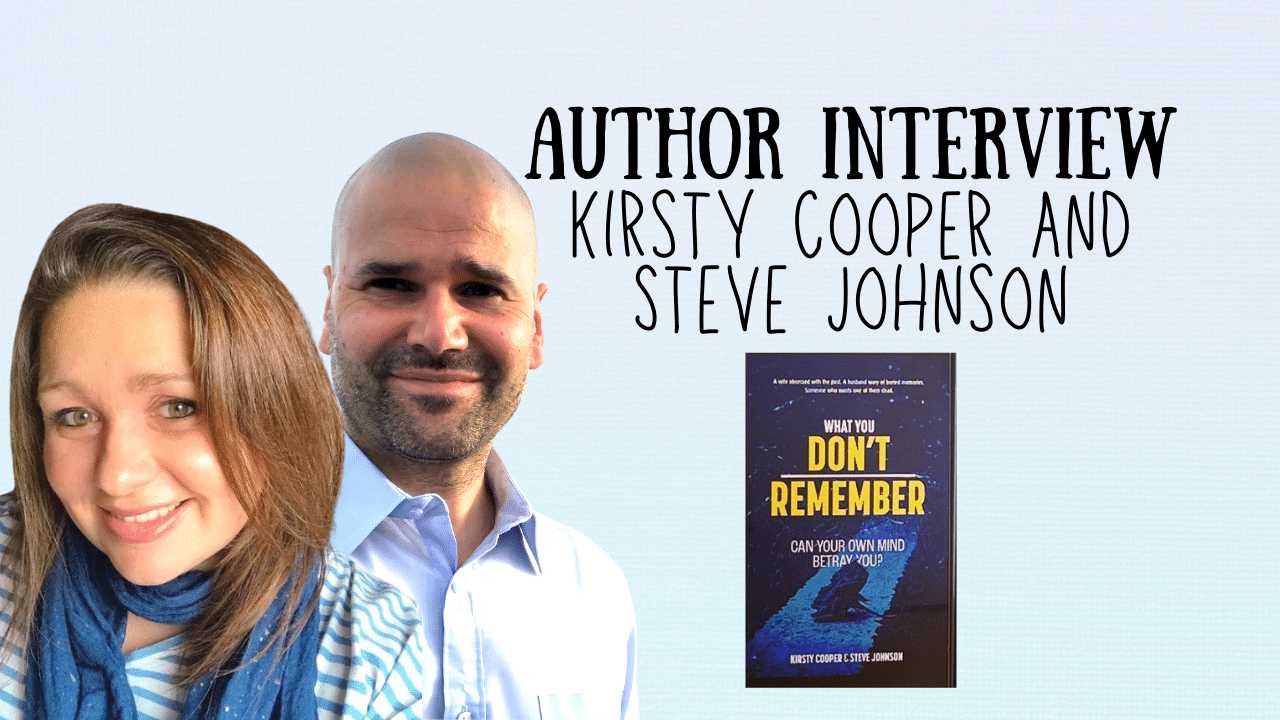
I interviewed writing partners, Kirsty Cooper and Steve Johnson, about their new book, What You Don’t Remember. They told me about how they work together, their creative writing process, and what inspired their plot.
Tell me a bit about who you are.
Kirsty Cooper, co-author of What You Don’t Remember
Kirsty: I live with my husband, Nick and our two young children. I was a primary teacher, spending most of my career in Early Years, but stopped teaching when I had my eldest. Since having kids, my working life has mainly involved writing. I grew up in Guernsey so spend a lot of time there (pandemics aside) with my family. As well as writing, I love reading, crochet, anything crafty and playing guitar/singing.
Steve: I spent nearly 20 years as a primary teacher, going from full-time in the classroom to part-time and eventually stepping out altogether to concentrate on other work. Married to Katy (also a teacher) with one teenage daughter. Originally from the Black Country and now residing in Yorkshire. I enjoy a bit of reading, writing and running. You’ll find me at a parkrun somewhere most Saturday mornings. Also follow a bit of football (Sheffield Wednesday) and speedway (Cradley Heathens).
When did you first WANT to write a book?
Kirsty: I can’t remember not wanting to write a book. I was always writing stories, poems and creating plays as a child. My mum says that I told her I wanted to be an author when I was very little. I remember writing stories with animal characters and then printing them off and stapling them together. I used to write little songs for each character too. I always wanted to teach as well so I think I imagined using them with my class. My poor little sister used to get bossed around and made to listen to me read them while I pretended to be the teacher.
Steve: Probably from as early as I can remember. I remember writing my own stories when I was a primary school pupil; I was always writing in some form – looking back, I think I did an unusual amount of letter-writing as a kid – to penpals, to aunts that lived more than a couple miles away, even to newspapers or other organisations. Some time in my teens, it must have worked its way onto my ‘bucket list’.
When did you take a step to start writing?
Steve Johnson, co-author of What You Don’t Remember
Kirsty: More seriously, I guess it was when I had my first baby. I had given up teaching to be a stay at home mum and was missing the creative side of creating characters and stories in the classroom. I started writing rhyming stories for kids, poems and also started work on a novel for adults (still not finished!) whenever the kids were napping or busy playing. Then professionally, I began writing picture books for an educational publisher which became my day job.
Steve: I suppose more seriously into non-fiction and specifically sports history around university time or just after (even though I studied Computer Science). Knowing there was a niche in speedway books and combining it with my own passion was a way in. My first published book was a biography of speedway world champion and former 1980’s CHiPs TV star, Bruce Penhall. Fiction came later through first writing short stories to read to my daughter then professionally writing for children in a more anonymous capacity for an education publisher.
How long did it take you to complete your first book from the first idea to release?
Both: We had both been encouraging each other with writing projects and challenges before combining for the first time on a BBC Writers Room short form TV script competition. This was at the beginning of the first lockdown in Spring 2020. We wondered whether we could collaborate on something longer and discussed ideas for a full-length novel. From those first ideas in April 2020, we had a finished and final draft to publish roughly a year later. We spent a bit of time learning the ropes in terms of self publishing and coming up with a bit of a marketing plan as well as getting our cover designed. We published What You Don’t Remember in June 2021.
What made you want to write What You Don’t Remember?
Both: We’re both interested in the subject of memories and had engaged in some random conversations in the past about different people seeing things from different perspectives. Does everyone see colours in the same way, for example? We had tossed around many ideas for the book but we kept coming back to this as a premise – what if you could digitally record your memories and see them played back? Would two people see the same event in the same way? What would be the risks and rewards? The concept really stuck with us and we thought it would intrigue readers, too. The story grew from there.
What were your biggest challenges with writing What You Don’t Remember?
Both: Working as co-authors was our challenge and our trump card. The challenges that came with that were the logistics of collaborating over a distance. We co-authored from start to finish without ever once meeting in person. We had to rely on using shared documents for drafts and planning, plus video calls and lots of WhatsApp messages for communicating. We were also going through all the challenges that lockdowns and covid restrictions brought – juggling work with homeschooling, missing families etc sometimes made it hard to find the time and energy to dedicate to the project but that was where the trump card came in. We were both dealing with different things at different times, so even when one of us felt like we didn’t have as much time for it that week, the project still continued with the other person. We were able to motivate and inspire each other, which we believe was the key to seeing it all through.
What You Don’t Remember by Kirsty Cooper and Steve Johnson
Who or what inspired you when creating your Protagonist?
We have two main protagonists and the narrative alternates between their perspectives. It naturally worked well for us to each lead on one of those characters. Although the story was well planned together, it was really exciting to receive a chapter from each other and devour the details of what the other person had written or where they had taken the outline ideas.
Steve: In the case of Nate, it was interesting to explore how he would want to support his wife going through a really difficult time, but without really knowing the best way to do it.
Kirsty: I guess Rose is a combination of several women that I know – she has her vulnerable side but also her badass, independent side. The intriguing thing about writing her story was that her grief and experiences had changed her so that the character we were portraying wasn’t herself at the time. If we had got to know her more before tragedy hit, I think we would have seen a very different character. Having recently lost a parent myself, I felt like I could relate to some of the emotions she was feeling and how that state of grief can alter the way you cope with life and the hurdles it throws.
Who or what inspired you when creating your Antagonist?
We have to be careful not to give too much away here but there are a series of Confessions chapters from a main antagonist in the story. We worked more closely together on writing those and they mostly slotted in afterwards. To tell you too much about the antagonist would give away the ending, but inspiration for them came from various places. We wanted to explore how someone could be driven by bitterness, jealousy and obsession with the past.
What is the inciting incident of What You Don’t Remember?
Rose was behind the wheel when a tragic car accident occurred, resulting in the death of her mother. She has since struggled to come to terms with the events and her memory has blanked the moments immediately prior to the collision. The inciting incident in the book occurs when Rose and Nate go to therapy for help with their struggling marriage. The doctor introduces them to a radical new memory therapy, allowing them to record their happiest memories together and watch them back. However, the opportunity incites Rose’s belief that this could be the only hope left to remember why she crashed the car.
What You Don’t Remember by Kirsty Cooper and Steve Johnson
What is the main conflict of What You Don’t Remember?
Consider it for yourself for a moment – if you could record your memories and watch them played back to you on screen, would you try it? Would you be willing to relinquish control of what was recorded? Would you watch the memories back with your partner? Would you allow your most intimate thoughts to be exposed to others? This question divides our two protagonists and their differing attitudes and motivations as well as the consequences of the therapy itself all provide conflict throughout the book.
Did you plot What You Don’t Remember in advance, or fly by the seat of your pants and write freely?
We had a pretty detailed outline, developed into a chapter breakdown and we regularly revisited this to restructure as/when needed. We probably needed this more than most due to the co-authoring but it’s how we’re both used to writing in our professional capacity too. It was important that we both had a clear idea of where the story was going and how each chapter would go but we were also really flexible so that the structure could change if we felt the story was naturally evolving in a different direction.
Did you get support with editing, and how much editing did What You Don’t Remember need?
We are lucky enough to be both involved with writing professionally and often work quite collaboratively in a team. That has helped us both with editing skills and as co-authors, we could be each other’s editor in a way. We always had another pair of eyes on our work and we worked through several later drafts to refine the copy editing, too. We used Pro Writing Aid for the final draft as well to make sure we had everything as tight as we could get it.
What is the first piece of writing advice you would give to anyone inspired to write a story?
Kirsty: Write everyday, even if it is just a paragraph that you will never show anyone. The only way to get good at anything is to practice. I think a lot of people get hung up on the fact that they don’t know what to write or that they feel their vocab/spelling/grammar isn’t good enough. None of that matters if you love creating stories and characters. There are always people that can help to make a manuscript perfect but ideas don’t need to be polished. I would advise anyone who is inspired to write to just get something down on a page. Keep writing, don’t get hung up on the wording of each sentence or paragraph, write from the heart and see where it takes you. Once you have something (anything!) written down then you can spend as much time as you like editing it – you’ve done the hard part. Something is something but nothing is nothing – you can’t edit nothing!
Steve: I have often said this to both children and adults – just write. It’s easy to fall into the trap of spending forever procrastinating or planning in your head and just thinking about what to write. If you get some words down on the page or screen, you have something to work with and refine.
Can you give me a hint about any further books you’re planning to write?
We are in the very early stages of planning Book 2 but we think we’ve hit upon an idea that we’re both excited about now. It has a real couple of moral dilemmas at the heart and a mysterious situation you can easily imagine yourself in.
And, finally, are you proud of your accomplishment? Was it worth the effort?
Kirsty: It was 100% worth the effort and I’m really proud of what we’ve achieved. It’s a lifelong ambition come true and to hold the finished book in your hand is incredible. We’ve both said all along that finishing and publishing it would be success and anything else that comes after that is just a bonus so hearing people say that they have enjoyed it is just brilliant. I’ve loved the whole process!
Steve: absolutely! It’s a real ambition that’s been completed. Every time I hear someone say they are reading our book or, better still, that they’ve enjoyed it or couldn’t put it down, it is such a thrill. It was already worth the effort to have reached the stage of completing and publishing. Everything since is a bonus!
Pop all your book, website and social media links here so the readers can find you:
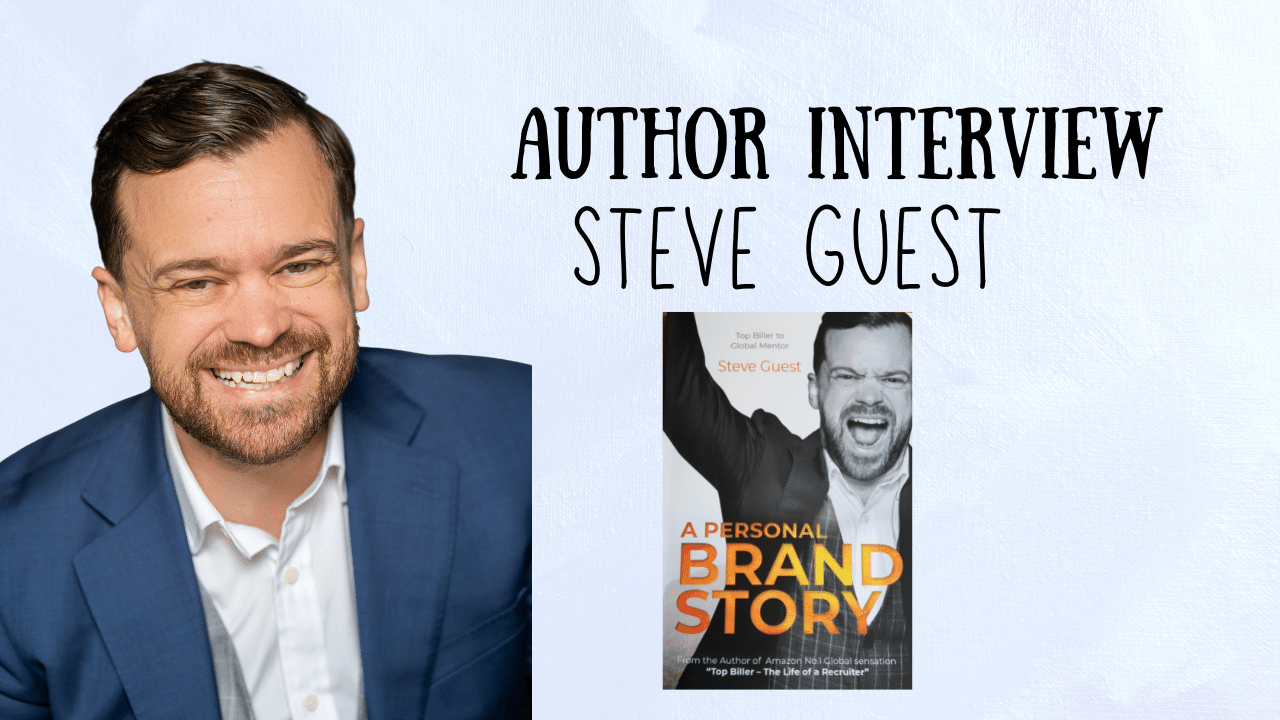
I interviewed recruitment specialist Steve Guest about his career, his motivation, and what inspired him to write his new book, A Personal Brand Story.
Tell me a bit about who you are.
I was born and bred in the West Midlands, am degree educated, a qualified MCIPS (Member of the Chartered Institute of Procurement and Supply) buyer, married to Emma (20 years together this year!) and we have two beautiful boys, Ethan and Hugo.
Steve Guest, author of A Personal Brand Story
I’ve spent the last 15 years as a recruitment specialist, opening and building new regions, brands and businesses in the UK whilst actively specialising in recruiting commercial permanent placements within the construction sector.
It’s always my goal to champion the underdog – those quieter, unassuming people who often don’t believe in their capabilities. I love mentoring recruitment consultants into becoming top performing individuals in their specialist field and helping them to achieve their targets, ambitions and goals.
I founded the 12-Week Recruitment Mastery Programme, which offers a platform and forum for recruiters to discuss pain points, successes, as well as add value as a united force.
The past few years have seen me develop a reputation for retaining regional billing records for some of the biggest and well-known brands within the recruitment industry, and this has led me to become a recognised public event and keynote speaker. I also present ‘The Guestlist Podcast with Steve Guest’, which is listed in the global top 80 business podcasts, and founded and host ‘The Guestlist’ YouTube channel.
My first book, “Top Biller – The Life of a Recruiter”, was published in November 2019 and it has sold in 45 countries and remains the highest reviewed recruitment book globally on Amazon.
In August this year, I published my second book “A Personal Brand Story – Top Biller to Global Mentor”.
When did you first WANT to write a book?
Back in 2016, some three years before I wrote my first book, I was spending time with highly motivated, influential, wealthy individuals, all of whom elevated my thinking to new levels. All had written or were writing books.
The idea of writing a booked grew after I read “The Key Person of Influence” by international entrepreneur Daniel Priestley. When I met and spent some time with Daniel in London, we talked about building assets that continue to promote anywhere, particularly online (allowing ease of access for anyone, globally) and ensure that you become the ‘key person’ in your market – THE individual who everyone turns to in their hour of need.
When did you take a step to start writing?
I realised there was a gap in the market for recruitment books. When I started to do my research, the few recruitment books that were available were more textbook than story, but I wanted to innovate and create an easy-to-read recruitment book that documented my journey – the quiet, unassuming consultant who proved the doubters wrong. I wanted to write a story that would empower, motivate and inspire potential recruiters that they could do the same, regardless of what they are told. I wanted the book to become my ‘business card’ so I could become a bigger influence in my market.
How long did it take you to complete your first book from the first idea to release?
In total, 18 months, but that included a five-month break in-between as the ‘day job’ picked up and I lost the habit of writing content daily. It wasn’t until I committed and made myself accountable to a specific date to get over the line that I finished the draft.
How long did it take you to complete your latest book from the first idea to release?
I initially wanted to get my second book, A Personal Brand Story, pushed through the process much faster than my first and started writing August 2020. I had aimed to get it published before the Christmas that year, but I quickly realized I was putting far too much pressure on myself. Nevertheless, the second book took 12 months from concept to being published.
Focusing on your latest release. What made you want to write A Personal Brand Story?
Social media marketing and personal branding is becoming more important and I know so many people who I mentor, coach and work with that struggle with these aspects. During the UK’s first lockdown in 2020, I spent almost 70 hours on Zoom calls, mentoring people in 28 countries. I made the offer of providing one-to-one advice when parts of the recruitment sector almost ground to a halt due to the Covid-19 pandemic.
During the calls, I discovered recruiters the world over felt fear and said their careers were at a dangerous precipice because they were furloughed, had lost their jobs or had no income because they were commission only.
I wrote this book in the hope that it would enable people who are starting out in their careers, or are at a crossroads and are considering how to start their own business, how to develop a personal brand and how to differentiate from their competitors.
From a selfish perspective, I also wanted to continue the ‘author’ journey and add further stories to the collection.
A Personal Brand Story by Steve Guest
What were your biggest challenges with writing A Personal Brand Story?
Ensuring this book added as much value as Top Biller. With Top Biller – The Life of a Recruiter, the bar of success and value have been set so high. I needed A Personal Brand Story to be at a similar level. Hopefully this will be achieved. Time will tell.
What was your research process for A Personal Brand Story?
My research comes from my mentoring and coaching , understanding on a global scale the pain points and what people go through or avoid, which have an effect on their potential success. I draw from my experience and look at what’s holding them back, what can be achieved if they simply had methods, strategies or a simple confidence boost. I want both of my books to show the world that you can achieve things even if you don’t fit the mould.
How did you plan the structure of A Personal Brand Story?
I decided to break the topics of content down in specific areas and work on them for a week or so to create the framework. I then considered the content and questions that I am asked on a daily, weekly basis – this formed the structure of each chapter.
I then worked with my editor to ensure it read as it should, leaving the reader without any doubt as to what each sentence or statement says.
The book and each chapter have their own introduction and conclusion or summary, which means I could tie up the ends to make the book flow throughout.
Did you get support with editing, and how much editing did A Personal Brand Storyneed?
Yes. I have a sarcastic, very dry sense of humour that can quite often get lost in text. I also write as I think – I am very structured in that I am process and procedure driven, which does not always make the most engaging copy, so adding in elements of humour (making sure it is well written) makes for a far better read. I worked through every sentence with my editor to ensure they read well and the points are understood. For me, having an editor involved is integral to success.
What is the first piece of writing advice you would give to anyone inspired to write a book?
Just get writing, get the content down – there is always time to rewrite, reword and finesse. The hardest part of writing a book is starting and then staying consistent.
A fantastic approach that worked for me was to have a question / problem or scenario that I would write about each morning. I would know the question / problem or scenario the night before, get into the office an hour early and simply write my answers down, trying to use relevant stories that associate with the answer to offer context. This ensured I was consistent, structured and focused – but it also meant I was creating value in the content as I was answering people’s issues or questions.
Can you give me a hint about any further books you’re planning to write?
The plan is to write a book every 12 months, with an overall aim of getting to five books. I tend to focus on what’s relevant at the time and what demands are put in front of me. I want to add as much value as possible and hopefully answer as many pain points through each book’s content as possible.
I think the next book will be more ‘journal’ about a 12-month process or how I hit an astronomical sales target.
And, finally, are your proud of your accomplishment? Was it worth the effort?
Yes, I am extremely proud. Before I wrote my first book, I was in a seminar of about 80 and the speaker asked how many people had written a book. About 8 hands went up, which surprised me, and the speaker then said: “Keep your hands up if you’ve sold more than 50 copies.” Every hand went down. 50 copies! That didn’t seem like much at all – so, for me, the minimum target was set.
When I published Top Biller 12 months later, I sold 6,000 copies and am still over the moon by the results. But most importantly, it’s the private messages of thanks I get from people telling me I have changed their life for the better or that I have given them confidence, empowered or motivated them in someway that has allowed them to advance. This is what makes it worth every effort.
Pop all your book, website and social media links here so the readers can find you:
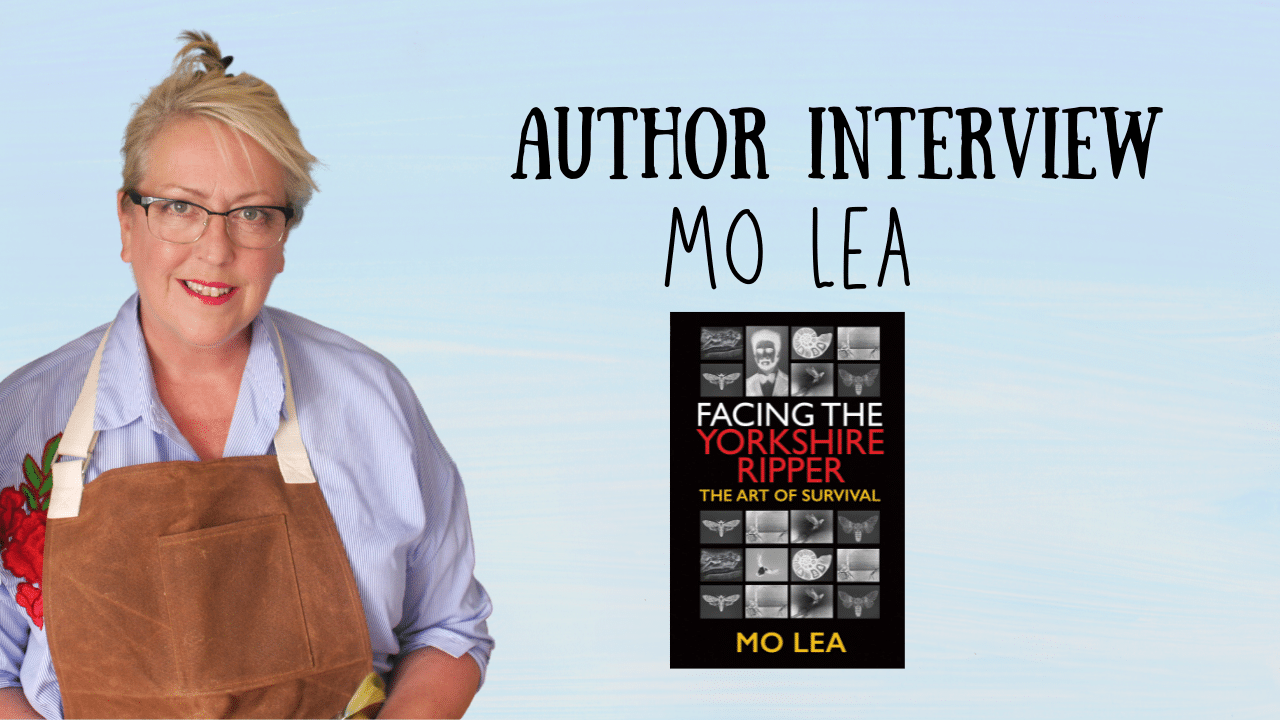
I’m very proud to share my interview with artist Mo Lea. She talks to me about her book, Facing The Yorkshire Ripper; The Art Of Survival, the process that she went through to write it, and the advice she has to inspire others.
Mo Lea, author of Facing The Yorkshire Ripper; The Art Of Survival
Tell me a bit about who you are.
I am a practicing artist
Age 61 born and raised in Liverpool in 1959.
My carrier in teaching Art began in 1991 after my Masters degree in Art Education. I was employed to teach Art and Design to student who would become art teachers.
I taught many art subjects from Photography, Art History, Textiles and Printmaking. My main area of expertise was in fine art, in particular drawing techniques
I live on my own and work in my lovely studio at my home in Bedfordshire.
When did you first WANT to write a book?
I wanted to write about 30 years ago after talking part in a true crime documentary.
During this time I learnt more about my attack by Peter Sutcliffe, The Yorkshire Ripper and the misgivings of the Police. I was intrigued in how my involvement would be perceived by the TV viewers.
When did you take a step to start writing?
I started to write about my experiences of being involved in the media and how the press was representing me. They had a way of sensationalizing my story and this made me feel uncomfortable and misrepresented. No one was interested in the fine details and the nuances of a survivor’s tale. I wanted to put the records straight. I was a senior lecturer in Art and Design and was very proud to have achieved this status. I didn’t want sympathy but I did want to show that despite my brutal attack I had established myself as a person of success and happiness.
How long did it take you to complete your first book from the first idea to release?
The book took 30 years to write. I started it in 1993 and it grew from there. It took many forms and had a few different titles. The main thread was the importance of my art as an anchor for sanctuary and honesty. It also was biographical and shows the journey from bitter anger to forgiveness and now to finally, a place where I create beautiful pictures.
Facing The Yorkshire Ripper by Mo Lea
What made you want to write this Facing The Yorkshire Ripper?
I wanted to put the records straight. I felt the need to tell a truthful and honest account of being a ‘Ripper Victim’. I wanted to tell a tale of survival and progress. This is what the media were leaving out in their usual gruesome narrative regarding the Yorkshire Ripper story. The sensationalising story telling needed to be re-addressed. My book does that and I reclaim my position and give my account of how I survived. It also addresses the extremely poor management of my case by the West Yorkshire Police; I discuss how that impacted on my personal growth.
What were your biggest challenges with writing Facing The Yorkshire Ripper?
Facing up to the fact that the police deemed me disposable. I discovered how my case was deliberately hidden and overlooked. That was heart breaking. A big challenge was telling my family of my days of despair. I gave my parents the book but told them not to read it as it would upset them, they did everything they could for me and were brilliant at the time. They gave me reassurance and the strength to go back to complete my Fine Art degree. I hated that they could read of my desperate times. I always chose not to tell them when I was in difficulties.
What was your research process for Facing The Yorkshire Ripper?
I researched website that told their version of the ripper time frame
Being involved in so many documentaries revealed some unknown facts to me. The latest being that my name was mentioned in the Byford report. This report was commissioned by the home office to investigate the mishandling of the Ripper enquiry. It offers many recommendations for change. Most alarming that I recently was told that my name was in the report along with a few other women as Possible Further victims.
This was published just 6 months after Peter Sutcliffe was sentenced. The report was hidden from the public and never acted upon.
How did you plan the structure of Facing The Yorkshire Ripper?
I just stuck to the chronology of events. The Pictures that I made say a lot more about my state of mind and this helps with the narrative of my journey from victim to survivor.
What is the first piece of writing advice you would give to anyone inspired to write a book?
Facing The Yorkshire Ripper by Mo Lea
I was told by another author to be honest, otherwise my story wouldn’t hold true so I swallowed my pride and let all lay bare. I think that makes it a more powerful read.
Can you give me a hint about any further books you’re planning to write?
I am planning to write a second edition especially as Peter Sutcliffe has since died to include my latest art work. I am active to making changes to best support women who have been violently attacked. This story has much more to explore.
And, finally, are your proud of your accomplishment? Was it worth the effort?
I am proud of the book but at the same time feel after so much editing that I may have lost a few gems out by accident. It was at times a bit frightening to write and I needed to psych my self up to get through some difficult chapters. It was a lonely experience too. It is massively important to me to get a truthful account of this well told story but to include an angle of celebration and success. It was worth every effort including writing each morning for 3 hours when I was on holiday. Being published validated my story.
Pop all your book, website and social media links here so the readers can find you:
I interviewed entrepreneur Dino Miliotis about his career, his motivation, and what inspired his new hit book, There Is No Box.
Tell me a bit about who you are.
Dino Miliotis, author of There Is No Box
Wow, I really hate talking about myself like that, it’s just always been difficult for me to describe myself as one thing.
Ok, here it goes, I’m a salesman, an entrepreneur, a void-filler for the marketplace, who always sees a glass half full. I’m a rebel, a risk-taker, an adrenaline junkie, who loves working with people and providing a service to fill their needs. I’m a speaker, a motivator, a man with an insatiable appetite to learn by doing, and for experiencing life to its fullest. I suppose I’m also an author now, but I compare it more closely to a storyteller. I’ve lived an extraordinary life and now I’m sharing my experiences.
When did you first WANT to write a book?
I’ve wanted to write a book since I was 21, right about the time I had to close my collector plate business. At the time, I wanted to title the book “shattered dreams.” Obviously, it reflected my mood at the time. I wanted to just write down my feelings, all that frustration and energy I needed to get out. But, I tabled the idea for a book because I started working for a vocational school chain instead. I found the company a great place to channel my energy because I quickly moved up the ranks, became a national sales trainer and helped to open up 33 more schools.
I was once reprimanded and called an ‘unbridled stallion’ by one of my managers, who didn’t like how aggressively I steamrolled over mediocrity. I took that as a compliment.
When did you take a step to start writing?
I remember the date; it was January 27, 2021. I was fresh out of rehab, under lockdown because of the COVID pandemic, and was lost about what to do next. I had all sorts of offers to get involved in various projects. I suppose it was flattering to know that had so many options, but nothing really resonated with me. I guess you could say my heart wasn’t in it. Then one day, feeling discouraged and lost, I was ready to do the unthinkable – take a drink again. I knew it was wrong, but it was just calling me, that bottle of vodka. Suddenly I received a text from a young kid who I met at a car wash a few years prior.
He’d approached me when I brought one of my cars to the car wash where he worked. He wanted to know what I did to become so successful. We ended up exchanging numbers and he texted me a couple of times looking for wisdom. Three years later, I get this random text telling me he’d like to have lunch with me sometime – he said my words had helped him before and he’d consider it an honor. Suddenly, everything came into focus and I realized sharing my experiences could help others. That’s when I actually started writing.
There Is No Box by Dino Miliotis
How long did it take you to complete your first book from the first idea to release?
It took roughly seven months to write and publish. I have no writing experience, nor did I have any book to model mine after. I figured it was my story; best to tell it my way.
What made you want to write There Is No Box?
I felt readers needed a story of hope, drive, determination and reinvention. COVID-19 had a devastating effect on me, like many others. If anyone else felt as lost and alone as I did, I thought they’d appreciate reading something inspirational.
What were your biggest challenges with writing There Is No Box?
It was writing something powerful, something I felt so strongly about, but didn’t know how to put my feelings down on paper.
What was your research process for There Is No Box?
The research was easy because it was, after all, my own personal memories. I first recorded myself, telling my story in chronological order… believe it or not, that alone took two weeks to record. Then I had to select interesting and memorable moments in my life that ‘made the cut’ as they say.
How did you plan the structure of There Is No Box?
I didn’t want to write a self-help book; I didn’t want to preach. This book was about telling a story that ultimately leaves you feeling inspired. I narrated the book in a way that makes the reader feel as though we’re reading together. It includes both the highs and the lows. I wanted readers to feel something, their reaction was a top priority. I wish I could be a fly on the wall to hear them groan when they reach some of the incredible lows and cheer when they get to the high points.
Did you get support with editing, and how much editing did There Is No Box need?
Not officially. I did have several people read the book throughout the process, mostly to gauge their reactions, and they would come back with suggestions. I focused more on what I wanted to say to my readers, instead of what a book “should” be. Did I mention I’ve never read a self-help book in my life?
Dino Miliotis on The Table Read
What is the first piece of writing advice you would give to anyone inspired to write a book?
Make sure it’s something that moves you and write like you mean it. If you don’t truly feel the story you’re telling, your readers won’t either.
Can you give me a hint about any further books you’re planning to write?
I’ve been planning a second book since before I finished the first! I want to write a more in-depth sales-oriented book called, “Scrambled Eggs.” Why that title? Because you can’t make an omelet without breaking some eggs – and I like mine scrambled. It will go into more about my mentors and pulling back the curtain on sales strategies and mentalities.
I also really want to make “There Is No Box,” into a movie. Ideally, I’d be played by Matt Damon. That’s what I’ve envisioned since the beginning – no, seriously! I wrote the book like a movie because I think it would be fabulous on the big screen.
There are also other projects on the horizon, but I don’t want to give everything away. Right now, my goal is to truly connect with my audience – I want to get to know them.
And, finally, are you proud of your accomplishment? Was it worth the effort?
I am. I’m proud of the way I captured raw emotion onto paper and of the way writing it made me feel. It inspired me in a way that was truly magical. What I’m most proud of though, has been the way it has made others feel. For me, this experience has been priceless.
Pop all your book, website and social media links here so the readers can find you:
I interviwewed Shelley-Ann Healey about her work, her motivation, and the creative process behind her new children’s book, The Rainbow Experience.
Tell me a bit about who you are.
Shelley-Ann Healey, author of The Rainbow Experience
Shelley-Ann Healey, I am 44 years old and live with my partner and 3 children in a small village outside Avebury, Wiltshire. UK. I trained as an Angelic Reiki Master in 2010 at the Academy of Angelic Healing in Harrow, North London. I wrote and published The Rainbow Experience based around my experiences with my son who at the time was non-verbal and undergoing assessments for Autism. I decided to observe life through the eyes of the child and through intuition and connecting with him spiritually, I began to learn a different way of learning and teaching. He was saying more in other ways even though he was unable to talk at that time.
When did you first WANT to write a book?
In 2016, after losing our family home and going through financial difficulty I needed to put my focus into something, which initially, the idea was to start a blog for parents. I changed my mind as it felt like there was more to it than just blog posts and each chapter was formed.
When did you take a step to start writing?
Not long after deciding the book had to be created in some way, I gathered information about how to create the book with little to no financial backing and it just flowed from there, I felt it was too important to share regardless of not having the finances to assist professionally. I did it anyway.
How long did it take you to complete your first book from the first idea to release?
2 years in total. The book was first published via Amazon in May 2018.
The Rainbow Experience, by Shelley-Ann Healey
What made you want to write The Rainbow Experience?
I felt a need to explore other perceptions; understanding them, and healing from experiences I’ve had, potentially inspiring and empowering others who have also walked similar pathways. I also thought about the possibility many other parents who were navigating life with an autistic child may need insight into other ways of getting to know their child beyond what they see on the surface.
What were your biggest challenges with writing The Rainbow Experience?
Not having the funds to get help in the final stages of publishing
What was your research process for The Rainbow Experience?
I was inspired by others who had done the same as I became aware of how easy it was to self-publish. I asked lots of questions to already published Authors before committing to the process of publishing.
How did you plan the structure of The Rainbow Experience?
I used Kindle based reading material of how to use create space to layout the pages, for instance, which was the best font to use and sizing of words. I asked an artist friend to get involved with the illustration of the front cover, which are my son’s actual wellington boots he wore when he was 3 and had another friend help with formatting this to fit the size of my book.
Did you get support with editing, and how much editing did The Rainbow Experience need?
I had no support with editing, I proof-read the book myself on 3 separate occasions, and edited it as I read until I was satisfied it could be published.
The Rainbow Experience by Shelley-Ann Healey
What is the first piece of writing advice you would give to anyone inspired to write a book?
Just take each step, one at a time. Don’t look too far ahead to the end result otherwise it’s easy to become overwhelmed by the process. Ask questions from anyone else you know who has done it and get some tips from them.
Can you give me a hint about any further books you’re planning to write?
Yes, it is named Reflections based on my journey with healing through ancestral trauma and how those cycles can show up in our lives energetically and how we can clear them spiritually to help the mental, emotional and physical body in a positive way. This also helps in breaking that cycle for the generations to come.
And, finally, are your proud of your accomplishment? Was it worth the effort?
Absolutely! I see this as a massive achievement and worth every hour of the work I put into it. When reading back some of the chapters, I read it now and it feels like it was not me writing it, even though I remember the subject matter it was based on, I have forgotten most of the content and even find it useful to look back at pages from time to time. It is still helpful to me 3 years later. It is one thing to help other people and have an impact, but how often do we apply our intuitive knowledge and wisdom to our own lives?
Pop all your book, website and social media links here so the readers can find you:
On The Table Read, “The Best Book Reader Magazine in the UK“, author and Reiki Master Anya Goode describes the work that went into her book, Awakening Your Soul’s Truth, and what inspires her.
I interviewed author and Reiki Master Anya Goode about her career, her inspiration, and the creative process behind her new book, Awakening Your Soul’s Truth.
Tell me a bit about who you are.
My name is Anya Goode and I teach energy healing methods, ancestral healing, and spiritual development courses. I started my career as a private practice energy healer and have been doing energy work for just over 20 years now.
In addition to my Masters Degree in Metaphysical Science, I am also a Reiki Master Teacher and have taught Reiki Masters worldwide.
Anya Goode
I have a passion for exploring healing techniques from many different traditions and have trained with teachers of Celtic mysticism, Tibetan Buddhism, Toltec shamanic practices, and many other diverse cultures. I currently live in northern New England and primarily teach and focus on writing these days.
When did you first WANT to write a book?
I have always loved writing, and actually placed in several writing competitions as far back as my high school days. Like many people, though, I always sold myself a little short and never thought I could write anything with enough content to turn into a book.
In my teens, I certainly had thoughts of how wonderful it would be to publish a book. I definitely had a perception for much of my life that it takes a certain type of person with a certain level of experience to write a book that is worth reading. I suppose I’d say I wanted to write a book since adolescence, but it was a pipe dream until I first put pen to paper (or fingers to keyboard really).
When did you take a step to start writing?
I first decided that I was going to attempt to write a book after I had a string of clients mention it to me on separate occasions. I needed that bit of unsolicited encouragement. I had just finished teaching a workshop that involved energy healing techniques for recognizing and shifting limiting beliefs, and as I was teaching the course, I realized that I had a lot more to say about it than I could fit into a four hour workshop. I started writing, and paragraphs just poured out of me almost as if it had been waiting to come into being for some time.
How long did it take you to complete your first book from the first idea to release?
I started writing Awakening Your Soul’s Truth around four years before it was published. I had completed seven chapters over the course of about four months, but I got stuck. I knew the book wasn’t finished, but I also wasn’t sure where it was headed next. Several people encouraged me to go ahead and publish it, but some part of me knew it just wasn’t right yet. I shelved the book and it sat untouched for several years. Then in 2019 my office building was bought by a new company and I was forced to move out.
While I was in the process of re-working my business structure and contemplating a new office, memories of childhood sexual abuse that had essentially been erased from my memory as a self-protective mechanism began flooding back to me after I had a triggering conversation with a friend. The next several months led to an intense personal healing process that forced me to use every healing method I had ever come across and develop new techniques to overcome the excruciating process of healing from this type of trauma.
Ultimately, this experience was my Chapter 8, and the processes for healing that were developed through this experience followed in subsequent chapters. I finished writing the book, or maybe I should say the book finished itself when it was ready to be finished, and it was published this past June.
What made you want to write Awakening Your Soul’s Truth?
As an energy healer and spiritual teacher, I worked with people day after day who were having problems with very similar solutions. Decades of experience had naturally given me a template to follow for working with someone through uncovering the imbalances in their life that needed healing. I knew that people would greatly benefit if they had an understanding of this same template and could realize how their limiting beliefs, generational programming, challenges in life, and emotions were trying to teach them something about themselves and where healing needed to occur.
I wanted to write a book that would guide anyone interested in personal healing and spiritual development through a process of understanding themselves and revealing more of themselves, ultimately to empower people over their own lives, healing, and well-being. I wanted to do this in a way that guided people to find their own unique self, and not my version of who they should be or what they should believe about themselves.
Awakening
I also wanted to provide tools from my personal and professional experiences that anyone could use to fast-track their healing process. This was my goal for the book when I first started to write, and I got there eventually.
What were your biggest challenges with writing Awakening Your Soul’s Truth?
My greatest challenge in writing the book was picking it back up to begin Chapter 8. While the chapter does not go into great detail regarding my personal experiences, it shares enough to teach what I wanted others who have experienced painful trauma to learn about the healing process.
Writing the chapter was very emotionally taxing for me, however it was also extremely healing to share my experience through the lens of helping others to overcome trauma, no matter how impossible it might seem to overcome. It gave my own excruciating experience some sort of meaning beyond my own life, which was really important for my own healing. It has also been challenging for me to navigate the initial phases of publication.
As an author, especially a first-time author, you really put your heart and soul into what you have created. Once you have the final product in your hands, there is a sense of pride of having completed a huge creative journey, yet there is also an underlying whisper of, “now what?” Figuring out what to do with this creative piece once it becomes “real” has been an interesting challenge of its own that I never thought about or anticipated while I was writing it.
What was your research process for Awakening Your Soul’s Truth?
Most of my research was collected through my own personal experiences with clients over the course of my private practice career. I used these case studies as anecdotes to show practical examples of the concepts I teach in the book.
I had to dig through case studies in my own files to assess the best ways to exemplify the points I was trying to make in a way that was relatable for most people. I also used my background in historical research to support some of the more evidence-based information I relay in the beginning chapters of the book, which was an interesting throwback to my college days. I was always told that my history undergrad degree would be useless, but it definitely served me well as I was writing this book.
How did you plan the structure of Awakening Your Soul’s Truth?
The structure of the initial chapters came out of the workshop I had designed and taught several years before. I already had an outline of the major concepts in the book that I created for the workshop, and from there I expanded on those major ideas and added to them as I wrote. The last chapters are the next step in the process, a leap beyond what I taught in the workshop. They take the concepts taught in the first seven chapters and portray how that understanding looks and can be applied in real life.
Did you get support with editing, and how much editing did Awakening Your Soul’s Truth need?
I probably re-read my book thirty times before anyone else laid eyes on the whole thing, so I had done a significant amount of editing myself prior to getting editing support. While this took a very long time for me to do, it did make for a fairly complete piece of work when it was finally turned over for editing.
I did remove a couple of stories and added to my explanations in certain places where the editors felt more understanding was needed by the average reader. There were of course grammatical changes here and there, but overall the editing process was not as lengthy as I’m sure it can be for some. If I were to do it again, though, I’d worry a little less about it myself and let the professionals take care of it from the get go.
What is the first piece of writing advice you would give to anyone inspired to write a book?
I would say to let go of any expectations of what you think the book will read like when it is finally finished. My book went through many changes through the writing and editing process, and even sat unfinished for years. I had no clue how it would turn out, as I literally had to go through some really challenging experiences to even have the wisdom I needed to complete what I started. If you had asked me if the final piece is what I expected it to be when I first started writing it, I’d say no way. Am I proud of it though? Absolutely.
Can you give me a hint about any further books you’re planning to write?
I just finished putting together an extensive online ancestral healing course, which was a really massive endeavor. It’s possible I might consider a book in the future that explores ancestral healing concepts and methods, as it is such an important facet of healing for anyone interested in personal development and empowerment. I’ll start thinking about my next book once I can get my head wrapped around the fact that the first one was published I suppose.
And, finally, are you proud of your accomplishment? Was it worth the effort?
Absolutely, on so many levels. This wasn’t just a book for me. It traces wisdom gained from really successful parts of my life, as well as wisdom gained through the most excruciating parts of my life. The fact that I was finally able to bring it all together into a piece that helps others and has received so much positive feedback is genuinely amazing. It was worth the effort, both for how I hope it will help others, and for how it helped me as I moved through the process of its creation.
Pop all your book, website and social media links here so the readers can find you:
Donate to support The Table Read We strive to keep The Table Read free for both our readers and our contributors. If you have enjoyed our work, please consider donating to help keep The Table Read going!
Processing…
Success! You're on the list.
Whoops! There was an error and we couldn't process your subscription. Please reload the page and try again.
A 30 Day Photographic Journey of The American West Coast shared in a 560 Page, 9×12 Fine Art Coffee Table Book
Allison Davis
Sitting at the edge of the beach, with police tape blocking us from its sandy shores, I was at a loss. Just a couple days after a March 14, 2020 wedding I photographed, the rumors of lockdowns became reality: complete with beach closures I never dreamed would happen.
I speculated with friends over FaceTime chats that things would surely change and be lifted by the summer. Weeks of beach closures and near absolute isolation left me losing my sanity and I retreated home to Texas to regroup and figure out what steps I should take next.
Knowing the policies in place for the pandemic in California, I quickly learned that weddings were on hold, and so was all of my income and potential income. I had no idea what I would do to make money and survive a complete collapse of the industry I’d been successful in for 13 years.
Finding New Photography Opportunities
After visiting and brainstorming with family and friends, I landed on pursuing real estate photography as substitute income. I landed a job with a larger real estate photography firm and was slowly trained and thrown in the mix for jobs that came up. But as I learned and as only small amounts of work came in, I discovered that I absolutely hated this kind of photography. The cumbersome tripod, the emptiness of the spaces, the lack of human interaction, the quick and methodical way of shooting… I knew I couldn’t stay in this line of work and still love photography. So I quit. Realizing at that moment, I had so much more to offer the world than photographing three walls. I declared myself an artist at that moment and took to pursuing creativity.
Over the early days of the pandemic, to cope with my utter isolation, I’d taken a course on “The Science of Happiness” by Yale University on Coursera, I’d begun working through “The Artist’s Way” by Julia Cameron, and I’d been praying about how to use my time.
With no possibility of weddings returning in 2020, the only thing I had now was time.
Landscape Photography
Revealed At The Edge by Allison Davis
I love making resolutions & am a goal-oriented dreamer. Upon moving to Southern California, one of my goals was to photograph the landscape of San Diego as a personal project. This seed of an idea began before the pandemic and had been buried by the chaos of the initial months of the lockdowns. Once things had settled a little, the time in prayer, the pursuit of creativity and the pairing with the science of happiness led me to the God-given idea to not only photograph Southern California, but all of California… and while I’m at it, why not the whole west coast? And let’s do it in 30 days so it’s a challenge and a timeframe.
So I put pen to paper and started planning a trip to photograph the west coast in 30 days while doing it as cheaply as possible, which led me to camping in my car for the majority of the trip. I basically created a time frame to create each day and a flow to shooting, to writing, to resting, to experiencing a place with my full presence and not just to shoot and run.
Writing And Photography Together
My initial aim was to be able to create enough pieces to put together my first fine art photography show. As I took pictures, I journaled. I’ve always been a writer, but for this project, journaling was initially for my own enjoyment & context for the images. I found though that I was thrilled to write the things I was seeing with my heart and shooting with my eyes. And each day, as I photographed parts of the coast, the words of my heart poured out onto pages.
Revealed At The Edge by Allison Davis
I wanted a clever way to name the images of my collection and decided to do it based on the mileage. As I wrote, it felt like glimpses into the journey of the trip. And the book began to write itself. I knew exactly how I wanted to format it, design it, share essays that would give voice and understanding to what I was seeing when I photographed the coastal landscapes.
This book is a culmination of so many things that have inspired me and shaped me. From my educational background in journalism to be a storyteller and witness, to the way the raw, rugged coastlines speak to my inner spirit of its condition and history, and the draw to create something of greater weight than an instagram post or blog post. I desired to bring back that experience of immersing yourself in an image and a scene with the words to give guidance along the experience and the journey. There’s nothing like holding an image and getting a sense of what the artist meant and saw in creating it.
Revealed At The Edge
Revealed At The Edge by Allison Davis
I was inspired by the desire to share my viewpoint as an artist in writing & in landscapes. I was inspired to pursue beauty every day, to seek it out, to share what I found in the day, moment and situation that was before my eyes.
I was also inspired by the idea that I believe we can connect with God and ourselves in creation. The raw, wild landscapes can be a reflection of our hearts. We learn and grow through seasons. We are shaped by the things that impact us like storms.
My educational background was in journalism and this project is truly a culmination of so many of my talents and skills from writing, to designing to photographing the pieces for the book. I loved being able to share it as a journey and to give context to my images and what I found as I pursued beauty at the edge.
Allison Davis Bio:
Allison Davis is a “Witness to Life & Beauty,” a photographer, an author, a designer & a traveler. Beginning her post-college career as a journalist, she later developed a love for wedding photography and built a successful business photographing more than 400 weddings over 13 years. Seeking beauty and adventure and the hope of building a new life after years of feeling personally stuck, she moved from her lifelong home of the North Dallas metroplex to Ocean Beach in San Diego, California.
Allison Davis
Amidst the global pandemic of 2020, after losing her wedding business for the year, she pivoted into real estate photography briefly but found her artistic passion suffering between four walls. Casting a grand vision of photographing the west coast in 30 days, she set off to car-camp along the coast to photograph the natural beauty the coastal landscape offers while writing along the journey. Tracking each set of images by the mileage of her journey, Allison created her first fine art photographic coffee table book: “Revealed at the Edge.”
This 560-page, 9×12 art piece shares her vision and heart as an artist and what the coast revealed about the journey of life itself along with the captivating beauty of the west coast of America. With hopes of creating her debut fine art photography show in the winter of 2021/2022, Allison will share limited edition prints from the experience that will speak to your spirit.
Support her project Revealed at the Edge on her kickstarter between July 23 – August 23. The book will be available for pre-order after this until it is published later this year.
I interviewed author C D’Angelo about her career, her writing experiences, and what inspired her hit novel, The Difference.
Tell me a bit about who you are.
C D’Angelo, author of The Difference
I’m an artist via my writing, crochet, cross stitch, playing instruments, drawing, painting, sewing, and more. These activities fill my heart with joy and there isn’t a craft I won’t try. My day job is working as a psychotherapist for the last 20 years. I live in Florida and love the heat. Give me a pool and flip flops any day.
When did you first WANT to write a book?
I thought of the idea for The Difference in 2012. Before that point, I never thought about writing a book. But when the idea came to me out of the blue, I knew I needed to write the novel. I viewed it as another way to express myself artistically but soon it became a second career. I’m glad it found me.
When did you take a step to start writing?
I started The Difference in January 2013. It was a great way to kick off a new year. I love setting goals, not resolutions. Now there are many goals related to writing.
How long did it take you to complete your first book from the first idea to release?
I think of the time period from when I started writing, not from the idea, which is 8 years. A few factors contributed to the length of time. First, I was writing as a hobby for a few years, not taking it as seriously as it needed. I would write some weekends then not for months (once there was a 3 year gap- eek!). Once I made finishing my book a priority, I wrote consistently and finished in a few months. Then, I edited for a year, queried for a short time, and was with a publisher for a while. I decided to leave the publisher for various circumstances and finally published on July 29, 2021. What a story within a story, right?
How long did it take you to complete your latest book from the first idea to release?
In stark contrast to The Difference, I wrote my second book in 3 months. I was disciplined with writing and editing it. The Visitor has been beta read but I will go through it once more, then send to professional editors. I want to continue to write novels in that time frame versus 8 years!
The Difference by C D’Angelo
Focusing on your latest release. What made you want to write The Difference?
The year 2012 was the centennial of the sinking of the Titanic, a topic that always fascinated me. There were countless documentaries and specials in the media about it, so I was thrilled. Also, I was researching my family history during that time. These two interests combined and the story for The Difference was born. My main character, Rachel, also likes learning about the Titanic and is on an ancestry mission. I used some of my life experiences and interests as a jumping off point for the book.
What were your biggest challenges with writing The Difference?
I wrote it in 1st person past and changed it to 1st person present to make the reader feel every bit of what Rachel felt. Making sure I edited all of those changes took some time. The other piece was trying to get it ready for publication in a “short” period of time. I wanted this book done in the summer of 2021, so I needed to move fast with the professionals I hired once leaving the publisher. There needs to be time in between each edit (because I’m such a perfectionist) so getting the book done on my timeline was a challenge I brought on myself, but one I don’t regret. Would I do it again though? No way! I need much more space between edits. With the first book comes many learning opportunities and I had my share of them. They will make it easier for me the next time.
Who or what inspired you when creating your Protagonist?
I thought about Rachel as a heightened version of both myself and my best friend combined. There is a lot of exaggeration from our personalities, but again, it was a starting point for me as a beginning author. I think it is common to use yourself and those you know when writing your first book. So, Rachel is someone I know well!
Who or what inspired you when creating your Antagonist?
They are the same person. Rachel is her own worst enemy. I think that is pretty common when dealing with mental health, which she does (anxiety and on the verge of depression). Barriers in her path of revealing her Italian immigrant grandpa’s secret past feel like the antagonist, but it is really herself because she gets in her own way all the time. I loved the irony of a psychotherapist who is somewhat clueless about herself.
What is the inciting incident of The Difference?
Rachel has a conversation with her boyfriend, Brian, about the state of their relationship. She expects to get answers to what has been bothering her about them, but not to have more questions develop and to hear his answers, which blindside her. He informs her of the emotional changes he has noticed in her and his concern for her, and them. The thought of losing him, and herself, scares her and she tries to think of how to feel fulfillment and happiness in life.
What is the main conflict of The Difference?
C D’Angelo, author of The Difference
When trying to think of what brings her happiness, Rachel stumbles onto an ancestry website where she begins a new path of trying to discover her roots in order to inform her future. She faces many challenges on her adventure, but has a drive that won’t let her quit until she finds out why her grandpa wouldn’t speak of his immigration to the US. Along the way, she discovers herself and has an emotional growth that I think the readers find satisfying.
Did you plot The Difference in advance, or fly by the seat of your pants and write freely?
I plan everything, especially because this book relied on many dates and historical facts. I integrate in history, the Italian culture, and travel into all of my books, so I need everything to be accurate. I like to have an outline of the main points, then flow when writing between the points. As long as I hit those points, I am free to follow where the story takes me.
Did you get support with editing, and how much editing did The Differenceneed?
Yes, I did. I was thankful for my talented writer and artist friends who beta read for me. Next came a few editors, all having different specialties (content, copy, proof…). There is no way I would send a finished product into the world when not professionally handled. I edited throughout the years, but the most concentrated edits were from April to July (publication) this year. Finally having some free time now feels strange!
What is the first piece of writing advice you would give to anyone inspired to write a story?
Just write. It is an over-used phrase but it’s true. That’s why everyone gives the statement as advice. Don’t worry about how sentences sound until editing. Get words written. The rest will fall into place.
Can you give me a hint about any further books you’re planning to write?
Yes, The Visitor is set in New Orleans and about a fiercely independent woman needing to save her new age store and home above from being destroyed by a developer. Her high school ex-boyfriend and nemesis is leading the charge, which adds to her dilemma. She needs to learn to trust others in her community or she will lose all she’s worked for in life. There’s a paranormal twist in this book that I think readers will enjoy. I want to release the book close to fall next year. Also, I have my 3rd book plotted out already. It includes wine and music, set in Italy and California at this time.
And, finally, are your proud of your accomplishment? Was it worth the effort?
I am extremely proud. I fought every step of the way for this book to be published and I can’t believe it happened. It was all worth it. To hold The Difference in my hands has been a monumental achievement in my life’s book.
Pop all your book, website and social media links here so the readers can find you: