Tag: Filmmaker

  • The Role Of An Independent Filmmaker And How To Sell To Investors

    The Role Of An Independent Filmmaker And How To Sell To Investors

    On The Table Read, “the best creativity magazine in the UK“, filmmaker Shane Stanley writes about his filmmaking career, and offers advice for independent filmmakers to sell to investors.

    Shane Stanley on The Table Read

    Written by Shane Stanley

    Shanestanley.net

    I have always been a concept to delivery kind of guy. If you don’t know what this means, I will break it down for you in layman’s terms.

    Writing A Screenplay

    An idea is hatched. I alone, or with a co-writer, sit in front of a computer and type the words “Fade in” onto a blank screen. Over the course of a few months, we’ll continue typing, filling 90 to 100 pages with words that contain screen direction and dialogue, creating an original and hopefully interesting screenplay. Then, I head out and try to raise money to get the screenplay produced into a motion picture. If I am fortunate enough to get the financing, we spend the next three months getting locations and attaching talent, vendors, and a competent crew to the film, to work both in front of and behind the camera.

    Over a 20–30-day period, the movie is filmed where we capture images of actors saying the words and depicting the action written in the screenplay. After the filming process is complete, I sit in a dark room for several months and piece together over 140 hours of footage, shaping it into a condensed motion picture. Once everyone is happy (or pretends to be) with what’s been edited, so begins the music scoring, the color correcting and visual effects phase, along with the sound mix and all the other details that in the end, bring you 90-minutes of glee if I did my job well, or if I failed, an hour and a half you’ll be begging to get back on your death bed.

    That’s what I do.

    photo of camera equipment
    Photo by Lê Minh on Pexels.com

    Getting An Independent Film Produced

    arcstudio 125x125 courier industry stan

    So, what’s the secret to getting an independent film produced? Some will say it’s dumb luck, while others swear its connections or the ability to simply sell ice to Eskimos. Those factors certainly can weigh-in, but eventually luck runs out and ice melts – especially in this climate. I believe it comes down to how hard you’re willing to work and the passion you have for your project that drives you to see it to fruition. Hard work pays off and passion is contagious…and yes, even a blind squirrel bumps into a nut once in a while, so we’re gonna talk in simple terms, in the realm of ‘the real world’ as I like to call it – not fantasy land, so you, the average individual with the desire to get a movie made, can acquire the tools necessary to help become a success in the world of (independent) filmmaking.

    Remember, when you pitch an investor to finance a film, you’re selling something different. You’re selling the magic and the sizzle of Hollywood and most importantly, you’re selling yourself along with the upside (or fallacy) of what their investment might return. If someone is really in the position to write a check to finance a film, they’re probably pretty savvy. Trust me, they have been pitched everything from financing movies to night clubs, clothing lines and widgets by someone a lot slicker and more qualified than you. Investors know they hold the key to unlocking the door to the dreams that can change your life, so go deep in thought when creating a presentation…because you’re pitching them on a fantasy (smoke and mirrors), not real estate or something they can look, touch, or feel at the moment.

    arcstudio 728x90 courier discount

    Pitching To Investors

    Something else to consider when pitching your project to an investor is what will they think of the film’s subject matter. If you’re investors are conservative folk, elders at the church and pillars of the community, I am guessing a flick based on a cult who feasts on hallucinogenic drugs and endless violence is probably not going to be their cup of tea. You laugh, but I cannot tell you how often filmmakers waste that coveted magic bullet of an opportunity to pitch something that’s unappealing when it comes to the morals, values, and ethics of the purse strings they’re presenting to. Also, if you don’t personally know your potential investor, I suggest you find out as much as you can before you waste everyone’s time or embarrass yourself.

    Google is a wonderful thing, so do your homework and research them. Nothing worse than going into a pitch meeting to talk about a film where a young girl runs away from home then goes missing in the woods only to learn Daddy Roebucks had a falling out with his daughter who took off into the woods and got eaten by a bear. What to put in your film finance package is key. I opt for things to be short and sweet with the less is more mentality. Keep paper weight to a minimum and realize the investor you’re reaching out to probably has more stuff than they wish they already did cluttering his or her desk. Don’t just add more to a bottomless pile they’re loathing to get through anyway.

    People with real money are presented opportunity all the time and you must think on your feet and always be prepared for an audible. Know your presentation backward and forward and never be afraid to say, “I don’t know” when asked something you don’t know the answer to. One of the best business relationships I ever had was launched on, “I don’t know,” my answer to a question they asked in our first meeting. Those three words told them the truth; I didn’t know, and I had the confidence to admit it. I capped it with “I will find out for you,” which gave the investor a sense of security I wasn’t going to tap dance or create some line just to appease him right then and there. It also gave me a great excuse to reach out the next day and get him the answer he was looking for, ultimately allowing me to close the deal.

    photo of man holding a camera
    Photo by cottonbro studio on Pexels.com

    Give Investors Comparables

    Hit play on your imagination

    Think outside the box and keep things in the ‘real world’ when giving investors comparables. I’ve used films in my presentations like OnceLovely and Amazing, and Like Crazy; films that cost under a million to produce and turned huge profits more realistic to obtain. Imagine if you were pitched a real estate investment. You’d feel hustled if you heard about the investor who put in $50k and flipped it for $7 million a year later. But the story about a person who invested $200k and turned it into $250k seems more realistic. Base hits and doubles make sense to investors, and they’ll be more apt to develop a sense of trust with you early on. The big difference between you and them, besides, they have money, and you don’t, is you’re looking at what’s right in front of you and they’re looking way ahead. You need money now to get your dream off the ground…but they’re envisioning the conversation the two of you will be having a year from now. I promise, your thinking is light years apart, no matter how often they smile and nod their head during your pitch.

    Always under promise, so you have a chance to one day over deliver. If your investor turns a profit and makes their money back plus 15%, that’s an attractive investment. But if they are anticipating making five times their money because you said they could, they will only be disappointed when things fall short. Always keep things in perspective so that any return can be seen as a victory, and you haven’t set yourself up for failure.

    Find more from Shane Stanley now:

    Facebook: shanestanleyofficial
    Insta: officialshanestanley

    Shanestanley.net

    Whatyoudontlearninfilmschool.com

    Donate to support The Table Read
    We strive to keep The Table Read free for both our readers and our contributors. If you have enjoyed our work, please consider donating to help keep The Table Read going!

    Processing…
    Success! You're on the list.
  • Filmmaking With Shane Stanley

    Filmmaking With Shane Stanley

    On The Table Read, “the best entertainment magazine in the UK“, filmmaker Shane Stanley talks about his career and the work that went into his next film release, Night Train.

    the best creativity magazine in the UK, the best book magazine in the UK, the best arts magazine in the UK, the best entertainment magazine in the UK, the best celebrity magazine in the UK, book marketing UK, book promotion UK, music marketing UK, music promotion UK, film marketing UK, film promotion UK, arts and entertainment magazine, online magazine uk, creativity magazine

    Written by JJ Barnes

    www.jjbarnes.co.uk

    I interviewed Shane Stanley about his life and career, highlights from his work in the film industry, and the creative process behind his new film, Night Train.

    Tell me a bit about yourself.

    My name is Shane Stanley and I’m a filmmaker. I have worked consistently in the industry for the better part of 35 years as either a writer, producer, director, or film editor. Often, I still do all the above on my projects.

    Shane Stanley on The Table Read
    Shane Stanley

    I first started in the industry at 9 months old, when a casting director for for Century 21 Realtors saw me at a barbecue and asked my father if he would let me be the baby in the commercials. From there I did over 100 projects in front of the camera before I was in the 4th grade. I’ve worked steady in the industry most of my life, with well over 600 projects to my credit in one capacity or another.

    Hit play on your imagination

    When did you first realise you wanted to make films?

    I had grown up with a father who was a working actor/aspiring filmmaker. Once he turned into a full-time filmmaker, when I was about 6 or 7, I loved working with him on the old film edit machines and learning how to use the old Arri 16mm cameras he had. I had other interests, mostly motorcycles and music, but when I started seeing films like “Chariots of Fire” or “The Black Stallion,” I really enjoyed them and started to want to make movies because of how those films made me feel as a viewer.

    I made my first attempt by re-writing Rocky III, I loved Stallone’s work, and I think my first draft was only 11 or 12 pages. I never did shoot the film, as I couldn’t find a good Clubber Lang character, but my brother Brett was great at playing Hulk Hogan and my then girlfriend had agreed to play Adrian. My dog Star was going to be Butkis. If only I had found a good Clubber Lang double for Mr. T, I think I would’a had a remake hit.

    What is your favourite thing about films?

    As a filmmaker, I love the challenge of having a concept and then delivering it to the world as a completed product. I mean, to look at a blank page on the computer and see it become an actual movie, that never gets old.

    As a viewer, I love to see choices that are made from all aspects of the creatives involved. I can look at a film and see what limitations they may have been faced with as well as how they addressed certain obstacles and executed them, whether their hurdles came from budget, schedule or actor availability. I guess having cut films for almost 40 years and produced them for so long, those things really stick out to me and they’re fun to pick out. I can even spot the chinks in the armor when it comes to the big-budget studio films which will sometimes not be able to hide them, even with the endless money they have to make and fix mistakes.

    the best creativity magazine in the UK, the best book magazine in the UK, the best arts magazine in the UK, the best entertainment magazine in the UK, the best celebrity magazine in the UK, book marketing UK, book promotion UK, music marketing UK, music promotion UK, film marketing UK, film promotion UK, arts and entertainment magazine, online magazine uk, creativity magazine

    What classes or research did you take to support you in your filmmaking career?

    I learned on the job and by trial and error. I didn’t complete anything more than a high school drama class and I didn’t go to college. I actually took some of my high school finals early because in my senior year I was in Texas working on a film 1,500 miles away from home. I just jumped headfirst into the business after graduating school and had a few detours along the way.

    My father wanted me to attend Brooks Institute up in Santa Barbara, California when I finished high school. But the fact of the matter was, I was a rudderless ship that was done with formal education and needed to find my way. Looking back, there have been times I wish I had some formal training that may have allowed for making some great connections, which in turn probably would have made the journey a bit smoother.

    Where I am now, I think the education I’ve had by being IN the thick of it has paid off in spades.

    What was your first film industry job?

    I worked on camera as a child actor from 9 months old until I was about 6 or 7. But when my father started working as a filmmaker, I was working with him on his sets and was learning from him. His budgets were so low – he couldn’t afford a real crew, so he pulled from neighbors, friends, and yours truly. I was working in the grip and camera departments for him before I was out of elementary school and while still often appearing on camera so, I was doing double duty.

    The first person to hire me outside of family was Rick Seigel, who owned Marathon Entertainment. He was Leah Remini’s manager and a successful television producer who saw something in me early on and gave me a chance to prove he was right. Rick and I are still good friends to this day, and I owe him a lot for taking a chance on me, a kid who hadonly worked under his father which can be a real tough hire.

    I hadn’t been shaped by the world or gotten my ass kicked by real life yet. I had been protected by a father who loved me and taught me, but it was nothing like the ‘real world’ out there which has little or no margin for error and is quite unkind.

    UniConverter 13 has Newly Arrived!

    What was your most recent film industry job?

    Well, I am my own boss, so if that counts, I produced, directed, and edited a film called “Night Train” which will release in the US on January 13, 2023. I am very proud and excited about it.

    As far as the latest “job” for hire? I was hired to produce and direct a film for one of the major studios this past summer but due to some intellectual property issues with the script, legal pulled the plug 6 days before production began. It was a bit of a letdown, but these things happen. The project is being re-written now and should go sometime in the spring, so I am hopeful it all comes together. I think it would be a fun break from what I have been doing to go work for ‘the machine’ and get my ass kicked a bit. It can only make me better at what I do, and I see it as a fun experience ahead.

    Tell me about a favourite experience in your career. Something that stands out in your memories and makes you want to find more experiences like it.

    When I was on my last day at “Entertainment Tonight,” as an assistant editor, we all knew we were being laid off with the Viacom takeover at Paramount. They happened to be filming “Clear and Present Danger” that day and a crewman from the film recruited me as they were shorthanded. They were doing pickup shots and re-shoots so I helped wherever I could. One minute I had a suit on and was a background actor and the next I was hauling gear in the Grip & Electric Department.

    The best part was Harrison Ford and Willem Dafoe were there working and when they called lunch (at 2AM), I went off and sat on a curb by myself to get out of everyone’s way. About five minutes into my meal, Mr. Ford walked over wanting some quiet time as well and asked if he could sit with me. We sat in silence for a while then he just struck up a conversation. We talked about life, liberty, and the pursuit of happiness in this crazy industry and had a great conversation – just the two of us.

    When the evening was over, we wrapped up and as everyone was saying their goodbyes, I was in the grip truck helping to stow away gear and my boss said, “Dude, Harrison Ford is asking to see you.” I walked out and there he was waiting to say goodbye. He shook my hand and said all the nice things people say after a nice encounter. That by far was the most memorable experience I have had in the industry as he was the biggest movie star on the planet back then and it was great to not only meet one of my all-time favorite actors but to see what a genuine and kind soul he was.

    What was your toughest experience in your filmmaking career?

    Being fired from network television. I was working as a production assistant on a hit show and we had a guest director by the name of John Rich. John was a legend. He had directed everything from “All in the Family,” “The Brady Bunch,” to “The Dick Van Dyke Show,” to only name a few. There was one rule mandated by my boss: do NOT talk to John Rich.

    Well, two days into his being in our production offices, I was in the snack/break room making a sandwich. Mr. Rich walked in and asked where the coffee cups were. The problem was, Mr. Rich had been on my family’s boat as a guest for a recent funeral of screenwriting legend, Wells Root, who happened to be my father’s mentor and dearest friend. Mr. Rich recognized me right away and we started talking. My boss walked by, saw us engaged in a pleasant discussion, called me into her office, and I was fired on the spot.

    Looking back, I should have said something, and I know Mr. Rich would have vouched for me, but honestly, she was one of the worst human beings I had ever encountered. I saw it as a wonderful excuse to just move on with my life and rid myself of her toxic behavior.

    Oddly enough, she hasn’t worked in this industry since that job as a production coordinator for a major network. I think she was new to that position, just didn’t know how to handle the power she was given, and loved the control.

    12 01

    What is the title of your current project?

    The film coming out next is “Night Train.” It stars Danielle C. Ryan, Diora Baird, Joe Lando, Ivan Sergei, Joseph D. Reitman, and a bunch of other great actors.

    What inspired you to make Night Train?

    We love making movies like the old Hal Needham films such as “Smokey and the Bandit,” “Cannonball Run,” and “Hooper.” We like to take the Burt Reynolds character and put him in the passenger seat while putting Sally Fields behind the wheel. This is exactly that and is a wonderful mix of action, thrills, and spills.

    What is the main conflict of Night Train?

    It’s about a single mom struggling to make ends meet as a Hollywood teamster who evades capture by a ruthless FBI Agent while running black market medical supplies in her legendary souped-up pickup truck.

    How long did you spend in production?

    The script was written by England’s own CJ Walley. He delivered an amazing script which he conceptualized during the heart of the pandemic. When I read it, I knew I needed to make it. We spent five weeks shooting “Night Train” with a couple of extra stunts and chase days because we our stunt team was busy on “Transformers: Rise of the Beasts.” We had to wait until they had returned from their stint in Hungary to finish our “little” film.

    How long did you spend in post-production?

    Post went faster on “Night Train” than any other film I have done. I think I had it cut in about 6 weeks, then with mix and color probably another 5 weeks whilst the music was being composed. It’s been ready to go since June of last year with the target being our January 13th, 2023 release.

    arcstudio 468x60 courier free

    Did you work with a writer, or write Night Train yourself?

    Yes, I worked with CJ Walley, one of my favorite writers who happens to live in the UK. I love working with CJ and feel honored and blessed to not only collaborate with him, but to also call him my friend.

    Would you do the same again?

    This was the third project in 2 ½ years I have done with CJ. I hope we can continue to work together for many years to come.

    How did you find your cast and what made you choose them?

    I texted most all of them as they were friends and actors we had already worked with, except for Diora Baird. I’ve wanted to work with Diora for many years but hadn’t had the chance. Shortly before we went into pre-production, I was talking with an old friend who’s a talent agent that used to represent a former actor/business partner of mine and she mentioned she had just signed Diora. I was thrilled to hear this and got her a script immediately which fortunately, Diora loved, and she gladly signed on to the project.

    How big was your crew?

    On “Night Train” we had about 30-35 people on set at all times. Would you choose the same size again? It was a good size crew and having worked with crews as small as 4 and up to over 100, I think it was a perfect size. We were never behind because of the crew size, and no one was sitting around with nothing to do either. We hummed like a finely tuned machine through the desert out in Palm Springs, CA for 4 weeks, then spent a few days in Las Vegas before wrapping up in the high-speed salt flats of El Mirage, CA (?). It was there we worked with Valerie Thompson, the World’s Fastest Woman, who went over 200 MPH on a motorcycle for us, doubling for our star, Danielle C. Ryan.

    How did you find your locations?

    I am easy to please when it comes to locations. For me, if it fits, it works. CJ and I made a beat-sheet of the script before he finished it, and we gave it to Levi Vincent of the Greater Palm Springs Film and Television Alliance. He went over the locations he saw we would need and took me and co-producer Neil Chisholm on a tour of the Coachella Valley. Just about everything he suggested worked perfectly. I took a bunch of pictures and emailed them to CJ in England who brilliantly implemented them into his final draft of the script.

    0970X250 A

    Tell me some career goals.

    You know, I just want to continue to make films with the people I love. We truly are a film family and to be able to do this for another 25 years or so with them would be awesome.

    What would you like to achieve?

    I have been very fortunate to accomplish the things I’ve done and to have my name on some projects that touched millions of lives one way or another. I don’t have a bucket list or any specific thing I feel I need to do at this point to prove myself. To have worked with the wonderful people I have worked with and to be able to provide for my family doing what I love over the years, I can look back proudly without feeling I missed out on anything and am comfortable continuing down this path. Anything else at this point is a continued blessing wrapped as a gift.

    Tell me something you were surprised by, something you had never realised about being a filmmaker.

    People stopped surprising me in the spring of 1993. Okay, maybe that’s a story for another day but I honestly was shocked to learn how so many people in the industry behave. Sure, there are pricks in every line of industry, but it seems ours is a breeding ground for some of the most mindless and entitled people imaginable. I think that’s why I’ve built a film family, because I sincerely believe what we do is such a blessing and to have toxic people around whilst living this dreamlife just makes it not fun anymore.

    There was a time I wanted to get out of it, just teach and continue to write books because I was so miserable doing what I had always loved so much, and I couldn’t understand why. Then, one day I realized it was some of the people I had surrounded myself with and their attitudes that were making me loath the journey.

    Once I got rid of them, I fell in love with it all over again and was able to get my head on straight. I truly believe you become a product of your environment and if you let people’s negative energy surface and thrive, it’ll bring you down to their level of misery and quite quickly.

    What are words of advice you have for other aspiring filmmakers?

    My advice for aspiring filmmakers is to go out and shoot, and shoot often. But fail and learn from your mistakes. I don’t have all the answers, but I know what not to do and have been doing it long enough to keep it together for the most part. If you allow yourself to fail, you can use those mistakes as building blocks whether you’re shooting with an iPhone or DSLR camera.

    Hone your skills as you build your career or try to get your foot in the door. Learn what camera angles work, what your writing style is, and perfect it. And for God sakes, learn how to edit. That’s where films are really saved and often ruined, so learning your way around the edit bay will save you countless hours of heartache and confusion when you’re in charge and make the filmmaking process so much easier.

    When I told my father I was ready to become a filmmaker, he said, “Great, you know where the edit bay is, I’ll see you in five years.” I went and edited everyone’s work I could and often for free. Heck, I was editing neighbor’s vacation ski trip videos. I took whatever I could get.

    Over time, I made a very good living and career out of fixing other people’s mistakes as an editor and it wasn’t uncommon for a very respected film company or filmmaker to call on me to fix their problems they couldn’t solve.

    Am I a perfect filmmaker? Hell no, and I’m far from it. But my film school came from there learning on other people’s money and it gave me the chance to really learn what worked, what didn’t and why.

    Give me your social links so people can come and find you!

    Facebook: shanestanleyofficial
    Insta: officialshanestanley

    Shanestanley.net

    Whatyoudontlearninfilmschool.com

    Donate to support The Table Read
    We strive to keep The Table Read free for both our readers and our contributors. If you have enjoyed our work, please consider donating to help keep The Table Read going!

    Processing…
    Success! You're on the list.
  • Hollowhood – One Year On

    Hollowhood – One Year On

    On The Table Read, “the best entertainment magazine in the UK“, JJ Barnes shares her experiences from the making of Hollowhood, and one year on from the premier on YouTube.

    JJ Barnes, Siren Stories

    Written by JJ Barnes

    www.jjbarnes.co.uk

    One year ago today, October 1st 2021, I experienced what can only be described as a dream come true. A dream come true that started with an idea back in 2019: let’s make a movie.

    Indie Filmmaking

    To work in the film industry seemed like an unachievable goal in my life, but a dream goal none the less.

    From childhood I obsessed over movies. I read books about the making of films, watched talking head shows about the top 100 scary movies, the top 100 romantic movies, the top 100 funny movies. I obsessed over film quotes, bought magazines about new releases, and hoarded second hand DVDs I found in charity shops and carboot sales.

    When you combine that love of movies with my passion for writing and my brain that is obsessed with stories, it makes absolute sense that I would want to, one day, write and make a movie. But of course, that’s the kind of goal you keep in a little room in the back of your brain and only look at after a few glasses of wine. Who, really, gets to make a movie? Definitely not an awkward writer in a small town in England with no experience and no money.

    Let’s Make A Movie

    JJ Barnes and Jonathan McKinney on Siren Stories
    JJ and Jonathan on the set of Hollowhood

    So, given all that, what happened?

    My partner, Jonathan McKinney, and I had a date night scheduled. We’d shipped our children off to play with their grandmother, hopped on a bus, and had a night of drinking, eating and shenanigans planned. But what happened on that bus ride would change my life forever.

    “Let’s make a movie.”

    arcstudio 125x125 courier industry stan

    That was the suggestion from Jonathan, a suggestion that logic should dictate I’d reject for it’s madness. But logic doesn’t always dominate decision making, especially when you’re a bit of an impulsive wildling with a desperte desire to be creative. So, I agreed. Let’s make a movie!

    Planning A Movie

    Instead of drinking, eating, and shenanigans, our date night turned into drinking, eating, and planning.

    How do people with no money or experience go about making a film? First of all, what skills did we have? I’d been making and editing YouTube videos for a while, so I had film editing software and a basic knowledge of how to use it. I have always loved using a camera, so logic dictated that would be role. I could get better at both things, but it was a jumping off point. For Jonathan, he has an incredible understanding and skill with music, and had some simple music software on his computer, so he would taking scoring and audio recording. Together, we would write.

    But before we could write a movie, we had the next step to consider. With no money, how would we find actors, and how would we find a shooting location?

    So, we got to work. I phoned my parents and negotiated (read: demanded) use of their holiday let. We got two weeks in January agreed on. January just two months away in 2020. So by January we had to write, and cast, an entire film.

    How To Write A Movie

    Before we could write the movie, we had to know who could act in it. There’s no point writing a film filled with characters you cannot cast. So, we did it in reverse. We cast the film before we wrote it.

    We contacted friends, family and acquaintences with a very simple offer. How would you like to work really hard for no money for a chance to star in a low budget movie that nobody will ever see?

    The cast was formed! These incredibly generous people booked unpaid leave from work, traveled across the country and showed up to work in the early hours of the morning, late at night, and in exchange for nothing more than the hot meals my mother busied herself preparing every day.

    With the cast formed, we wrote the film. Horror is cheap to make, the location we had to film in is in a remote village, and the actors are all around the same age. So, a friends getting together for a holiday over the Halloween weekend was decided on. After that, it was just about working out the interpersonal relationships, what the scary scenario was, and how to piece it all together.

    Filming

    Siren Stories Independent Entertainment Agency Staffordshire Films Books Music
    Filming Hollowhood

    Those last two weeks of January were some of the best of my life. We worked incredibly hard and we were all exhausted, but it was wonderful.

    Capture video demos, tutorials, presentations, games and edit them quickly like a Pro.

    We all started off nervous and inexperienced, learning on the job and figuring things out on the fly. But learn and figure things out, we did. We got there. We reshot scenes that didn’t work, we worked around conflicting schedules, we laughed, we danced, we bonded. Hollowhood was born.

    The other slight incident that happened in 2020 was the global pandemic. Our goal to release Hollowhood in October 2020 had to be bumped back by a year, and we had to figure out editing and scoring a movie, and writing and recording a soundtrack, around home schooling and illness. But we did it. We made our movie.

    Independent Release

    We decided to release Hollowhood onto our YouTube Channel. There’s always potential for it to find a home on another platform, but our goal was to just get it seen. On October 1st 2021, Hollowhood premiered.

    Due to yet another bout of Covid, we couldn’t have the big viewing party we had hoped for. Instead, we sat at home, watching the numbers of viewers joining for the premier. It started off as just us, then a couple more joined. Actors were texting on our group chat about being excited for it to start. Chat on the YouTube video was full of anticipation.

    Then the numbers went up more. There was 30 people signed in to watch. Then 40. Then 50.

    We expected just the cast and a few hangers on, but before long, there was over 100 people logged on to watch the premier of our little movie. Our little movie that we had slaved over, worked for, dreamed of.

    Now, 1 year on, over 4000 people have watched it. Compared to the big budget Hollywood movies that’s a tiny number of people, but for us, and our little team, that’s huge.

    Hollowhood Party

    Hollowhood Party on Siren Stories
    Hollowhood Party

    We did get our party. Not a premier party as intended, but a viewing party.

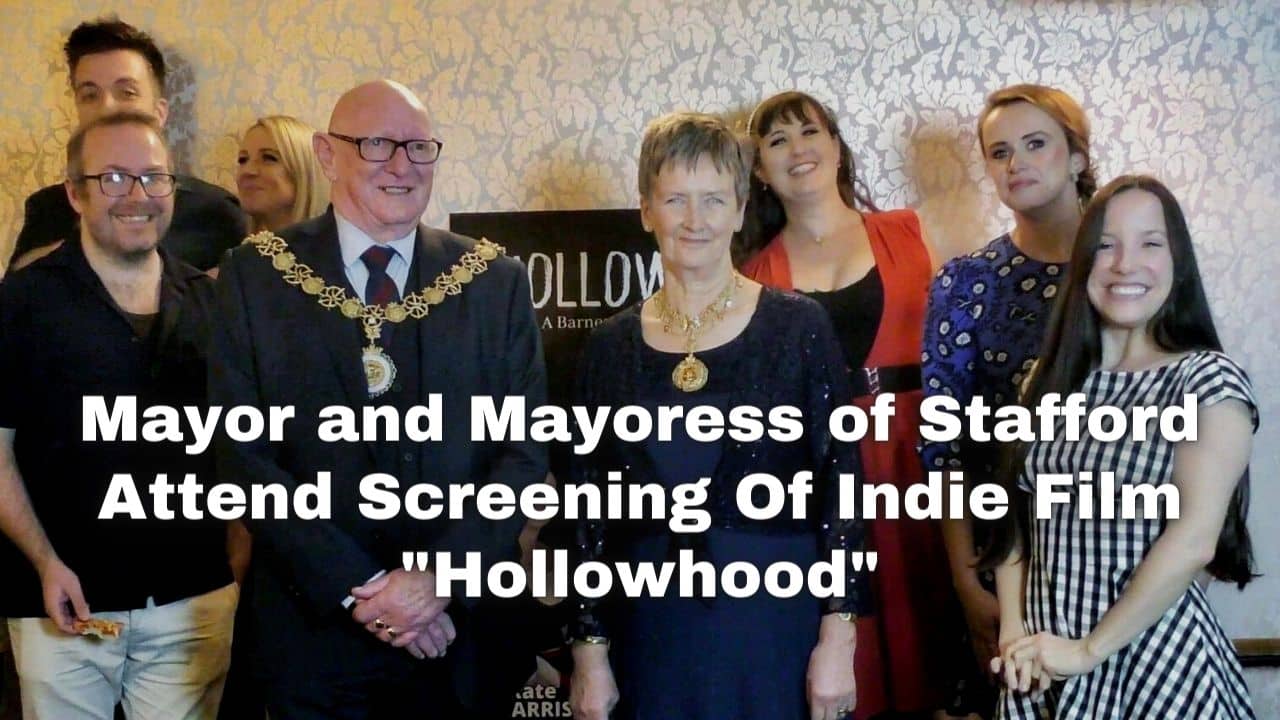
    Our cast, crew, family, friends, and the local mayor all gathered at a pub in our little town. We had food, we had drinks, we had photographs. We watched the movie on the big screen over the bar, and sang kareoke to the tracks from the film.

    It was glorious. It was wonderful to see so much happiness and excitement for something we created and the experience we shared. I will never stop loving those memories.

    Hollowhood

    Hollowhood, Siren Stories
    Hollowhood

    Halloween in an old house in the middle of nowhere…scared?

    Olivia and her ex-girlfriend Penny are reuniting for their friend Natasha’s Halloween weekend away in Hollowhood. At first Olivia dreams of reigniting the love she and Penny shared, but the creepy locals, the peculiar priest, and a man whose wife went missing five years ago change those plans. Soon Olivia isn’t focussed on whether she and Penny can fall back in love, she’s focussed on whether she and Penny can survive.

    Hit play on your imagination

    One Year On

    In so many ways, our lives haven’t changed. We still live in our little house in our little town. We still work hard and we haven’t won awards and moved to Hollywood.

    But in so many ways our lives have changed. We made a movie. We know now, going forward, that we can do that. We can do it once, so we can do it again. We have new found bonds with incredible people because of this film. Passions for acting and singing have been ignited in our cast. Skills that we can use and hone have been developed in ourselves.

    I get to look back at young me, sitting on my bed surrounded by books about film and piles of DVDs, and say, “Guess what. You did it. You made a movie.”

    And for this, I can never thank the people who made it happen enough. Because for a whole year, as of today, I have lived my dream. I am a filmmaker. Thank you.

    Find Hollowhood NOW:

    Website: https://hollowhood.co.uk/

    Watch on YouTube: https://youtu.be/34a_rgmLi8A

    Facebook: https://www.facebook.com/hollowhoodmovie

    Find more from JJ Barnes:

    Website: https://www.jjbarnes.co.uk/

    Twitter: https://twitter.com/JudieannRose

    Facebook: https://www.facebook.com/jjbarnesauthor

    Instagram: https://www.instagram.com/j.j.barnes/

    TikTok: http://www.tiktok.com/j.j.barnes

    LinkedIn: https://www.linkedin.com/in/jjbarnes1985/

    Pinterest: https://www.pinterest.co.uk/jjbarneswriter/

    Donate to support The Table Read
    We strive to keep The Table Read free for both our readers and our contributors. If you have enjoyed our work, please consider donating to help keep The Table Read going!

    Processing…
    Success! You're on the list.
  • Filmmaking With Rhys Freeman

    Filmmaking With Rhys Freeman

    On The Table Read, “the best entertainment magazine in the UK“, filmmaker Rhys Freeman talks about his career, his production company, Toad Abode Productions, and his new project, Four Walls Of Us.

    JJ Barnes editor of The Table Read online creativity, arts and entertainment magazine

    Written by JJ Barnes

    www.jjbarnes.co.uk

    I interviewed Rhys Freeman about his life and career, the creative process that goes into his filmmaking, and his latest project, Four Walls Of Us.

    Rhys Freeman on The Table Read
    Rhys Freeman

    When did you first realise you wanted to make films?

    I spent a few years writing TV Pilots, Features and Shorts, never really knowing that they could be shot. It wasn’t until I realized that my writing could and needed to be transferred to the screen, that I realized I wanted to make films.

    What is your favourite thing about films?

    They help to unlock deep emotions and help people relate to stories. I love how familiar a story, or a scenario or character can be for the audience. That someone can sit there and see themselves being represented on the screen. Allowing people to take a step away from the real world and lose themselves in a story or became able to feel certain feelings, that the film has unlocked for them.

    What classes or research did you take to support you in your filmmaking career?

    None, I am self-trained. Reading through a variety of screenplays was something I spent and still spend a lot of time doing. Reading is a great learning opportunity when it comes to writing. Diving into Producing is the way I found myself learning about the role and I still learn in both aspects still.

    What was your first film industry job?

    Producer and writer of my first short film ‘Just Three Little Words’, that was made during lockdown. Which lead onto me creating my production company Toad Abode Productions Ltd.

    Rhys Freeman on The Table Read
    Rhys Freeman on set

    What was your most recent film industry job?

    A short film called ‘Don’t tell me’ Which my company co-produced. A brief overview of the short: When a young man receives an unexpected diagnosis. He goes against medical advice to spend time with his young family.

    Capture video demos, tutorials, presentations, games and edit them quickly like a Pro.

    Tell me a favourite experience in your career. Something that stands out in your memories and makes you want to find more experiences like it.

    Cannes Film Festival would be at the top of my list of experience within my career so far. I was able to meet so many incredibly talented people. Promoting Toad Abode Productions to a wider audience and made some great connections, that lead to some interesting meetings, after the festival.

    What was your toughest experience in your filmmaking career?

    Shooting an online film during COVID called ‘Just three little words’. Directing over zoom is hard and a unique experience. Not being able to be physically there had it’s challenges but we were able to pull this short together and have a great time doing so.

    It was an experience that myself and the actors keep in mind, now we are able to work back on sets and physically film with people. I am sure not to take being on set for granted, since that experience. But in having to shoot over Zoom, we found some great bloopers from the actors, which also made the experience a little easier at times.

    What is the title of your current project?

    A short film called ‘Four Walls of Us’, it is a very artsy and unique styled story, currently in pre-production. We also have some major projects in early development.

    What inspired you to Four Walls Of Us?

    I came across the script from a fellow writer who I have worked with for a few years. She came to me with the script and idea with her co-writer and I was hooked. I was inspired by the unique storytelling; how different the story is to so many that revolve around the topic of love and heartache. The dialogue, story and style really inspired me, I was drawn into the world straight away and wanted to add my own personal touch on it, through Producing and Directing, within Toad Abode Productions.

    Rhys Freeman on The Table Read
    Rhys Freeman on set

    What is the main conflict of Four Walls Of Us?

    The main conflict within the story is a broken relationship. How in life we don’t always get the happy ending, shown through a unique style, really displaying the art of movies.

    How long did you spend in production?

    We are currently in pre-production, so at the moment I couldn’t say how long we will spend in production.

    Did you work with a writer, or write Four Walls Of Us yourself? Would you do the same again?

    I worked alongside the two writers when they came to me with the script. I gave notes of improvement, and we had a variety of conversations about the characters and storyline. There wasn’t much that needed changing within the story, just a few ideas and tweaks that we all played around with. Working as part of a team with this script has been a lot of fun and we are excited to finish this final draft and begin the next phases of production.

    How did you find your cast and what made you choose them?

    At this time, we haven’t thought about cast. But I am looking forward to casting for the two main roles within the next few months.

    How big was your crew? Would you choose the same size again?

    At the current stage of production, we have 4 crew members. Once we go into production, we will have a minimum of 6 crew members, working on the shoot.

    Rhys Freeman on The Table Read
    Rhys Freeman

    How did you find your locations?

    We have a couple of exciting potential locations in mind that we think will really unlock the story. We use various places to look for locations, one being ‘Peerspace’.

    Hit play on your imagination

    Tell me some career goals. What would you like to achieve?

    Pave the way for a more dynamic, diverse, and inclusive industry. Transparency is key. And to be able to support the growth of talent, freelance talent and rich story telling that has a wide societal impact.

    Tell me something you were surprised by, something you had never realized about being a filmmaker.

    As a producer the one thing that surprised me and what people I think may take for granted is how much leg work, development and prep has to be done to such a balanced and concise nature. It’s deep rooted, filmmaking, producing, directing etc has so much traffic around the centre of it and it’s a lot of hard, continuous work. Whether it’s budgeting or scheduling or script edits, everything is layered and has to be done slowly and precisely. There are no stereotypical hours to this job either.

    What are words of advice you have for other aspiring filmmakers?

    Put your head down and don’t listen to the noise, find your own voice and stories to tell. Find a team around you that support you and believe in your vision — people who are just as passionate and hard working as you are. A ‘no’ is always just a no, and it doesn’t mean ‘never.’ Trust in your own abilities.

    Put all your links to your work and social media here so readers can find you:

    https://pro.imdb.com/company/co0874565/?ref_=recent_view_3

    https://www.toad-abode.co.uk

    Twitter: @toadabodeltd21 @rhysfreemanscr1

    Instagram: @toadabodeltd21 @rhysjfreeman

    Donate to support The Table Read
    We strive to keep The Table Read free for both our readers and our contributors. If you have enjoyed our work, please consider donating to help keep The Table Read going!

    Processing…
    Success! You're on the list.
  • Conscientious Protectors – A Vital Documentary About A World Changing Cause

    Conscientious Protectors – A Vital Documentary About A World Changing Cause

    On The Table Read, “the best arts entertainment magazine in the UK“, Demand Film announces the release of the documentary CONSCIENTIOUS PROTECTORS: A STORY OF REBELLION AGAINST EXTINCTION, about the passionate and fearless environmentalist group, in UK cinemas from 25th July.

    Extinction Rebellion

    CONSCIENTIOUS PROTECTORS: A STORY OF REBELLION AGAINST EXTINCTION on The Table Read
    CONSCIENTIOUS PROTECTORS: A STORY OF REBELLION AGAINST EXTINCTION

    Documenting the incredible story of how Extinction Rebellion took over central London in 2019, bringing it to a grinding halt and refusing to leave until their list of demands were met, the film introduces the founders of the movement and details their audacious plan to hold the city to ransom until the powers that be agreed to help avert the impending climate catastrophe.

    4 00

    Director Leigh Broomfield says: “With exclusive access to the Extinction Rebellion movement, this fly on the wall documentary tells their story. This monumental feat took months and months of planning, and we followed the key co-founders of XR, Roger Hallam, Gail Bradbrook, Clare Farrell, Stuart Basden and Larch Maxey through the planning and onto the streets. This film delves into the inner workings of XR’s decision making, their methods, their stresses and strains, as they took hold of five sites in London during the April 15th rebellion.”

    Conscientious Protectors

    With all the tension of a heist thriller, as the countdown to the rebellion starts, the film is also an inspiring portrait of people prepared to risk and sacrifice in order to make a change for the better – defying authority and corporate might with breathtaking courage.

    This is the untold story of how in April 2019 Extinction Rebellion rallied the largest civil disobedience of a generation, holding London to ransom for 10 days, forcing the government to meet and discuss their three demands to avert the climate crisis.

    CONSCIENTIOUS PROTECTORS: A STORY OF REBELLION AGAINST EXTINCTION WILL BE RELEASED IN UK CINEMAS ON 25th JULY

    Donate to support The Table Read
    We strive to keep The Table Read free for both our readers and our contributors. If you have enjoyed our work, please consider donating to help keep The Table Read going!

    Processing…
    Success! You're on the list.
  • Filmmaking with Nora Isabel Cross

    Filmmaking with Nora Isabel Cross

    On The Table Read, the “Best Entertainment Celebrity Magazine in the UK“, filmmaker Nora Isabel Cross talks about co-founding a women-led filmmaking collective, SheFilmsLA, and her new project, The Tits.

    JJ Barnes editor of The Table Read online creativity, arts and entertainment magazine

    Written by JJ Barnes

    www.jjbarnes.co.uk

    I interviewed filmmaker and co-founder of SheFilmsLA, Nora Isabel Cross, about her life and career, what inspires her work, and the work that goes into her current project, The Tits.

    Tell me a bit about yourself.

    Nora Isabel Cross, SheFilmsLA, filmmaker on The Table Read
    Nora Isabel Cross

    I was born and raised in Mexico, but today I’m an immigrant and artist living and working in Los Angeles. I’m a co-founder of a women-led filmmaking collective called SheFilmsLA.

    For ten years before I left Mexico I dedicated my life to performing arts– living and breathing theater. After moving to the US I decided to start a career in the film industry.

    #LevelUpAndShare Creative Challenge | Win VidCon 2022 tickets

    When did you first realise you wanted to make films?

    After moving to the States in 2019, my grounding in theater developed into an intense interest in film. I’ve written, produced, and acted in a growing handful of my own short films, and a web series.

    What is your favourite thing about films?

    Well, with working in film it’s that I get to see these shapes in my head transform into something vivid, and shareable, but it’s even better than that, really; Once there’s a piece of yourself out there,  other creators end up offering their talent and vision to support the storytelling you’re trying to do. That spirit of collaboration is amazing.

    What classes or research did you take to support you in your filmmaking career?

    I have a Degree in Dramatic Literature and Theater (from UNAM in Mexico) and an Masters in Management of Creative Industries (UPF in Spain).  Within those I studied playwrights, script writing and analysis, the differences in performance and composition between theater and film, and even implementing new technologies in the arts. That educational mix was a good springboard for me to dive into more technical aspect of filmmaking and production on my own.

    What was your first film industry job?

    It wasn’t a film job so much as an attempt at visual storytelling, back in 2017. I wrote and co-produced a music video as the intro for a web series about the life of Mexican Millennials.

    the best ebook magazine in uk, ebook magazine in uk, kindle book entertainment magazine in uk, best ebook magazine in uk, best online magazine, online magazine uk

    What was your most recent film industry job?

    At the moment I’m producing a web series I wrote called “The Tits” (which sounds irreverent because it is– and the project has actually been a lot of fun). We’re shooting our third episode and ramping up our search for funding so we can produce the entire series– and hopefully work with a major production company.

    Tell me a favourite experience in your career. Something that stands out in your memories and makes you want to find more experiences like it.

    My favorite experiences are those moments when the disparate pieces of a project are just beginning to form together, to make sense as a whole. Sometimes I’ll have written a scene and thought it was fine, and then while planning and thinking out the shoot, something will shift. Like that– and then it’s suddenly possible to discover the improvements waiting to emerge. I want to keep stumbling on those wonderful surprising fragments of new universes.

    What was your toughest experience in your filmmaking career?

    It’s been the lack of funds to develop larger projects. I have a project which is on hold for funding, and right now we haven’t been able to find many grants or funds which support small fiction productions.

    What is the title of your current project?

    “The Tits”– like the birds! You can watch the music video as intro for the project here:

    https://www.youtube.com/watch?v=vQV7yOHsxs4&t=91s

    What inspired you to make The Tits?

    It’s a web series about a group of failed musicians with questionable habits. I personally consider myself to be a failed musician. Long ago I had a desire to be a DJ, but then ended up studying singing for a year and it was terrible. I’ve always admired musicians and many of them seem to have fun while working.

    What is the main conflict of The Tits?

    How unpredictable the band is. Also the unethical ways they try to achieve success.

    How long did you spend in production?

    We’ve been working on this one for five months now, off-and-on.

    How long did you spend in post production?

    I’m starting post next month, and I think it’ll take about two months.

    Did you work with a writer, or write The Tits yourself? Would you do the same again?

    I write myself. I’d love to work as an established writer for other productions.

    How did you find your cast and what made you choose them?

    I don’t usually do auditions. I invite people who want to create.

    How big was your crew? Would you choose the same size again?

    The Tits, Nora Isabel Cross, The Table Read
    The Tits

    For this small project, only three on crew. I’d have a larger team in the future. 

    4 00

    How did you find your locations?

    By Asking! Fortunately, I’ve encountered generous actors who have helped in finding or offering locations.

    Tell me some career goals. What would you like to achieve?

    I’d like to grow– and grow with– my filmmaking collective (SheFilmsLA). Zanie Marudo and I co-founded it and we have two projects currently in post production. One of our goals is to create a space where women filmmakers can grow and develop their unique stories. 

    Tell me something you were surprised by, something you had never realised about being a filmmaker.

    That each film shows and shares with the audience the filmmaker’s inner world. Whether intended or not, that person’s culture, life experiences, dreams, relationships, troubles, fears, successes– they’re all there, visible on screen. 

    What are words of advice you have for other aspiring filmmakers?

    Start. Regardless of your resources, your experience, or your fears. Just get started!

    Give me your social links so people can come and find you!

    https://www.instagram.com/noraisabelcross/

    https://www.linkedin.com/in/noracross

    https://noracross.net/
    Donate to support The Table Read
    We strive to keep The Table Read free for both our readers and our contributors. If you have enjoyed our work, please consider donating to help keep The Table Read going!

    Processing…
    Success! You're on the list.
  • Filmmaking With Brandon Reich

    Filmmaking With Brandon Reich

    On The Table Read, the “Best Entertainment Celebrity Magazine in the UK“, filmmaker Brandon Reich talks about his career in the film industry, and his new project, The Bob Zula.

    JJ Barnes editor of The Table Read online creativity, arts and entertainment magazine

    Written by JJ Barnes

    www.jjbarnes.co.uk

    I interviewed filmmaker Brandon Reich about his life and career, what inspires him, and experiences from his latest project, The Bob Zula.

    Tell me a bit about yourself.

    Brandon Reich on The Table Read
    Brandon Reich

    My name is Brandon Reich, and I’m a father to a two year old boy, and future Elvis impersonator, and I’m a husband to an amazing wife. We live in Austin, Texas with our chocolate lab, I teach improv and sketch comedy, and freelance making films.

    4 00

    When did you first realise you wanted to make films?

    I grew up in a small Texas town. There wasn’t a lot to do, so my friends and I would make short videos to make each other laugh. Mostly we would just hurt each other on camera, and watch it over and over. Later in life I thought, man I’d like to do that for a living, so I went to film school, and I’ve been making stuff ever since.

    What is your favourite thing about films?

    My favorite (US spelling) thing about films are how they influence and change lives for the better. It’s a tangible way I can push back darkness.

    the best ebook magazine in uk, ebook magazine in uk, kindle book entertainment magazine in uk, best ebook magazine in uk, best online magazine, online magazine uk

    What classes or research did you take to support you in your filmmaking career?

    I’m a student of improv and sketch comedy from The Second City, and iO. I’ve also graduated from The New York Film Academy, and Columbia College Chicago in film/video. …I’ve also spent a lot of time watching tutorials on YouTube.

    Brandon Reich on The Table Read
    Brandon Reich

    What was your first film industry job?

    My first gig was interning at the Houston Film commission working locations for films like Mao’s Last Dancer, and The Tree of Life.

    What was your most recent film industry job?

    My most recent industry job was shooting and producing a short for my friend.

    Tell me a favourite experience in your career. Something that stands out in your memories and makes you want to find more experiences like it.

    It’s difficult for me to think of one specific thing, but what keeps me going is collaborating with friends. There’s something special about working together to make something that will potentially brighten someone’s day or make them think.

    What was your toughest experience in your filmmaking career?

    Funny, I thought my answer would be making a feature film, but truthfully it was the moment after it was “done” that was the toughest. It was really hard to abandon.

    What is the title of your current project?

    Brandon Reich Films, The Table Read
    Brandon Reich Films

    I’m always making shorts, but I’m writing a feature screenplay that’s a satire on crime/noir. The title is still to be determined.

    More Than Just You. A creative experience all on one platform.

    What inspired you to make films?

    I think it always feels like there is a lack of opportunities in the industry, so I’ve always been determined to make opportunities for myself and others. That has been the root of my passion for indie content. 

    What is the main conflict of your film?

    The current work in progress has a main character who is trying to solve a crime so that his relationships can be saved. It’s a comedy.

    How long did you spend in production?

    My first feature shot for about two months during nights and weekends. That was before I had a baby…the next feature will have to take half the time.

    How long did you spend in post production?

    Editing alone was about six months. Then another year for festivals and distribution.

    Did you work with a writer, or write the film yourself? Would you do the same again?

    Brandon Reich, The Table Read
    Brandon Reich

    As much as I love to collaborate, I have a hard time collaborating with anyone in the writing process. So far, I’ve only written solo except for the many notes and feedback I’ve gotten from friends, family, and mentors.

    A video editor for all creators.

    How did you find your cast and what made you choose them?

    For the feature, I mostly looked at online resources like the Texas Film Commission, Backstage, and asked for help from a few comedy friends. The next project, I will pull from Austin’s live comedy scene, and people who I’ve worked with.

    How big was your crew? Would you choose the same size again?

    The crew we had for the feature was anywhere from 10-20 behind the cam. At one point we had about 50 people on set. I’m really liking the small intimate sets I’ve been a part of these days.

    How did you find your locations?

    Locations primarily came from friends and family donating their home or business. The Texas film commission also helped a great deal.

    Tell me some career goals. What would you like to achieve?

    Don’t tell anyone, but I’ve been wanting to act more. My passion has always been writing and performing comedy. I mostly direct to maintain the integrity of the script, so a goal would be to get back in the lime light. I’ve also been enjoying helping my friends with their projects because I know how grateful I am when someone helps me.

    Tell me something you were surprised by, something you had never realised about being a filmmaker.

    I’m surprised of how many people are still waiting in line for their one shot at acting, or looking for funding to have their script produced, or whatever is the current obstacle.

    The Bob Zula by Brandon Reich on The Table Read
    The Bob Zula

    It’s so accessible to make your own content, distribute, and develop your craft in the process.

    What are words of advice you have for other aspiring filmmakers?

    Make stuff. Why are you not? Look at those obstacles stopping you, and what do you need to do to creatively overcome them? Adjust the script? Ask your parents to hold the camera or be in the film…or both? Don’t have a camera? Use a phone. “Hey mom, I need you to act in this and hold the camera (or phone) for my role. Just make stuff! Learn from the experience, and repeat. Keep making stuff.

    Give me your social links so people can come and find you!

    The Bob Zula | Check it out now on Prime Video!

    https://watch.amazon.com/detail?gti=amzn1.dv.gti.2ab8c029-3ec9-7a20-7032-1898dbb72a5d&territory=US&ref_=share_ios_movie&r=web

    YOUTUBE | https://youtube.com/c/BrandonReichFilms

    FACEBOOK | https://bit.ly/2CqEnFz

    TWITTER | https://twitter.com/brandonjreich

    INSTAGRAM | http://instagram.com/brandonreichfilms

    WEBSITE | http://www.BrandonReichFilms.com

    Donate to support The Table Read
    We strive to keep The Table Read free for both our readers and our contributors. If you have enjoyed our work, please consider donating to help keep The Table Read going!

    Processing…
    Success! You're on the list.
  • Filmmaking With Nadia Zaidi

    Filmmaking With Nadia Zaidi

    On The Table Read, the “Best Entertainment Celebrity Magazine in the UK“, filmmaker Nadia Zaidi discusses her career, what inspires her, and her new film, Eight: The Gift Of Life.

    JJ Barnes editor of The Table Read online creativity, arts and entertainment magazine

    Written by JJ Barnes

    www.jjbarnes.co.uk

    I interviewed filmmaker Nadia Zaidi about her life and career, the creative process that went into her latest film, Eight, and her goals for the future.

    Tell me a bit about yourself.

    I am a freelance multimedia journalist, documentary filmmaker and TV and indie film producer. My career began in a national newsroom and shortly thereafter, as a reporter for various digital publications, covering everything from politics to global affairs, the environment and lifestyle.

    Nadia Zaidi, Eight: The Gift Of Life documentary filmmaker, The Table Read
    Nadia Zaidi

    I always knew I wanted to tell stories across screen, which led me to pitch, produce, and co-host a show for my local television station. This experience taught me the fundamentals of filmmaking and led to my pursuits in documentary film.

    Hit play on your imagination

    When did you first realise you wanted to make films?

    Storytelling has always been my way of expression and communicating with the world. I was the annoying kid with a camera in everyone’s face, asking questions at the wrong time and getting into all sorts of creative mischief.

    As I got older, I loved to watch investigative news programs and naturally developed an interest in journalism. I didn’t necessarily envision myself as a filmmaker; however, when I was producing a show for my local network, I was approached to help adapt part of a book into film. I hit the ground running and never looked back.

    What is your favourite thing about films?

    It’s ability to transcend language, borders, and culture, grounding us in our collective humanity. By showcasing stories that reflect our personal pains and pleasures, film is a global medium. It is also a vehicle for change through which we can inform, engage, and advocate; thereby, make a difference in how we view the human condition.

    What classes or research did you take to support you in your filmmaking career?

    None. I have a bachelor’s degree in Journalism from Toronto Metropolitan University (formally known as, Ryerson University). That’s the closest to formal education I have in filmmaking. Essentially, journalism school teaches you how to find good stories and tell them well – the backbone of being a good filmmaker.

    Other than that, I’m a film buff. I love all kinds of films and have developed my own style of filmmaking based on personal sensibility and creative inclination.

    What was your first film industry job?

    I founded a production company called “Reel Voice Productions” that specializes in documentary-films for public outreach and advocacy. I am also a partner in Sun Blizzard Productions, a Toronto-Los Angeles joint production house that develops indie films, with one film in post-production and several others in active development.

    Eight: The Gift Of Life, documentary film by Nadia Zaidi on The Table Read
    Eight: The Gift Of Life

    What was your most recent film industry job?

    I am a partner and producer in Sun Blizzard Productions (SBP) and the currently direct and produce films under my company “Reel Voice Productions.”

    4 00

    Tell me a favourite experience in your career. Something that stands out in your memories and makes you want to find more experiences like it.

    My film, “When Destiny Calls” was first screened at a community arts theatre. I will always cherish the moment of seeing the poster of my film on display outside of the auditorium. I remember feeling overwhelmed by a full-house crowd and humbled by the positive feedback and support. The experience came full circle when I was invited to deliver a talk on this film at my former university.

    What was your toughest experience in your filmmaking career?

    The covid-19 pandemic hit when I was about to release my second documentary -film, which hampered distribution prospects. I wanted the film to showcase around the country to incite a call-to-action on the organ donation crisis – the subject of my film. Given the novelty of the epidemic and subsequent lockdowns, I released it directly on YouTube. It was important that I got the message out there and am currently working on refining post-distribution.  

    What is the title of your current project?

    Eight: the gift of life.

    What inspired you to make Eight: The Gift Of Life?

    I was contacted by the main subject featured in this film. He is currently in need of an organ donor and asked if I was interested in showcasing a part of his journey. I was honoured by his trust and knew that I had to do whatever I could to spotlight his experience and investigate how Canada handles organ donations.

    What is the main conflict of Eight: The Gift Of Life?

    This film examines the barriers to organ donation rates in Canada.

    How long did you spend in production?

    Nadia Zaidi, Eight: The Gift Of Life, The Table Read
    Nadia Zaidi on set with Jason Rumball and his sister

    The film took several months to film, as I was following the subject’s journey through the healthcare system.

    How long did you spend in post production?

    It was delayed by several months following the COVID-19 pandemic.

    Did you work with a writer, or write Eight: The Gift Of Life yourself? Would you do the same again?

    I write the scripts for all my films because it is most authentic to how I narrate information.

    How did you find your cast and what made you choose them?

    For my documentary-film, I reached out to the biggest agencies that deal with the organ donation process in Canada. I also contacted leading medical experts in transplantation. I was put in touch with other families who were affected by the gift of life in the process of working with these agencies.

    How big was your crew? Would you choose the same size again?

    I predominantly film independently; however, for shoot locations I had a small crew of five people. I am not confined to a certain number of crew members, but rather, whatever it takes to get the best possible shoot.

    How did you find your locations?

    They are simply based on where the subject and interviews are.

    Tell me some career goals. What would you like to achieve?

    Jason Rumball gets dialysis, Nadia Zaidi, Eight: The Gift Of Life, The Table Read
    Jason Rumball gets dialysis

    Wider reach so that I can advocate to the best of my ability. The idea is to lead to awareness at a grassroots level and eventually at a more systemic level if given the opportunity and distribution.

    Tell me something you were surprised by, something you had never realised about being a filmmaker.

    The business behind the art. The industry is an overly saturated market, given the rise of streaming platforms and social media. You must be able to curate your film at its inception. This means promotion, marketing, and networking. As a creator you are so dedicated to the artistry of film that you forget it is also a business.

    What are words of advice you have for other aspiring filmmakers?

    Do it if you love it because filmmaking – like any form of art – is a labour of love with little to no payoff. If you are hoping to make it big, or because you feel it’s glamourous, you are doing it for the wrong reasons. Make films because you are in love with storytelling in all its forms. Do it because your love for it supersedes the barriers that will follow: the sleepless nights, fleeting budgets, and endless rejection. This shouldn’t dissuade you from perusing your passion. If it does, you’re not in the right profession.

    Give me your social links so people can come and find you!

    https://www.reelvoiceproductions.com/filmography

    https://www.linkedin.com/in/nadiazaidi88/?originalSubdomain=ca

    Donate to support The Table Read
    We strive to keep The Table Read free for both our readers and our contributors. If you have enjoyed our work, please consider donating to help keep The Table Read going!

    Processing…
    Success! You're on the list.
  • A Most Romantic French Song Takes Flight

    A Most Romantic French Song Takes Flight

    The international singer-songwriter HERVÉ COEUR (HERVÉ)’s masterful interpretation of popular song “L’Encre De Tes Yeux” (“The Ink of Your Eyes”) by French icon Francis Cabrel has taken flight, figuratively, through his captivating musical short film. 

    Hervé Coeur, The Ink In Your Eyes, on The Table Read

    The Ink Of Your Eyes

    The film has received a tremendous number of accolades from film festivals around the world – the most ever for the song. 

    It was a winner in the Paris Play Film Festival, the Indo French International Film Festival and the Lacorne Film Festival; a nominee for London Shorts; a semi-finalist in the Indie Short Fest and the AltFF Alternative Film Festival; and the Official Selection for the Northeast Film Festival, the Paris Lift-Off Film Festival and the SIFF-Switzerland International Film Festival.

    330 250

    Pedro Oberto

    First released in 1980, “L’Encre De Tes Yeux” has rarely been produced as an illustrative story in a music video.  To put his vision together, Hervé Coeur enlisted the help of Pedro Oberto, a young, talented Venezuelan director he met in his home city of New York.

    He enlisted further help from Lindsey Donnell and Derek Brockington, two star dancers from the prominent ballet company Dance Theatre of Harlem.

    Hervé Coeur, The Ink In Your Eyes, on The Table Read

    Hervé Coeur

    In his representation Hervé Coeur decided to express this classic French chanson against the backdrop of New York City. The song, which recounts the story of a great love that cannot be, takes a contrasting turn in the music video as it trains its lens primarily on the happiness that ensues between the two lovers.

    Through the astute suggestion of a friend, Hervé Coeur was able to discover and find inspiration in the work of the beloved French director Francois Truffaut in his masterpiece “Jules et Jim.” The film parallels the narrative of “L’Encre De Tes Yeux” of an impossible love immortalized by a happy scene from a bridge. 

    UniConverter 13 has Newly Arrived!

    Brooklyn Bridge

    In Hervé Coeur’s setting, the viewers find themselves on the iconic Brooklyn Bridge in the midst of a pandemic.  We are softly transported among clouds and sunlight, black and white and color, stillness and movement. We also find echoes of another French classic “Un Homme et Une Femme” by filmmaker Claude Lelouch.

    “I am honored that my work has achieved such international acclaim and resonates with diverse audiences,” said Hervé Coeur.  “L’Encre De Tes Yeux,” where the video features choreography by the singer-songwriter with the help of the dancers, marks his second French release after his self-penned hit POURQUOI.

    Find more from Hervé Coeur:

    The music video is available here: https://m.youtube.com/watch?v=4SaC8HwjRyk&feature=youtu.be
    For more information, visit:  http://www.hervecoeur.com/

    Donate to support The Table Read
    We strive to keep The Table Read free for both our readers and our contributors. If you have enjoyed our work, please consider donating to help keep The Table Read going!

    Processing…
    Success! You're on the list.
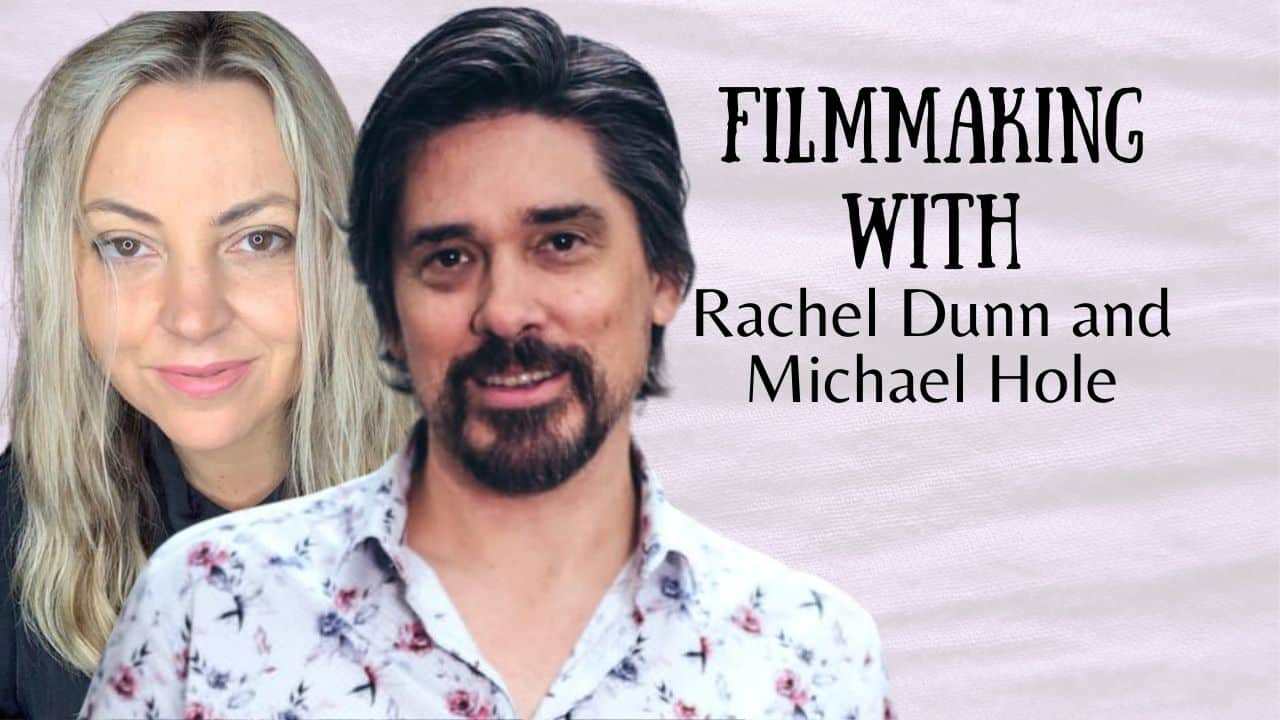
  • Filmmaking With Rachel Dunn And Michael Hole

    Filmmaking With Rachel Dunn And Michael Hole

    JJ Barnes The Table Read

    Written by JJ Barnes

    www.jjbarnes.co.uk

    I interviewed filmmakers Rachel Dunn and Michael Hole about their careers in film and their work as founders of Girl Director.

    Tell me a bit about yourself.

    Rachel – I was born in a country town in Mt Gambier, South Australia. I grew up with a loving and creative family who always encouraged me to go after what I wanted in life. I healed myself from Breast Cancer in 2020 and over the past year and changed everything about how I live, what I eat, think and do. I am fascinated by unusual stories, and I believe in magic. I feel so grateful to have found my life partner Michael of 18 years. We get to work on our magic life every day. We love inspiring others with what we create, how we live and who we teach. I have always been about 10 years ahead of the trends in my thinking, which can be a blessing. It can also take time for others to understand and be on board with my futurist mind.

    Michael – I was born in Bristol, England and moved to Australia as a small child. I live with my wife-to-be, Rachel (we get married in March 2022) and our beautiful cat, Morrison. We live in a tropical paradise on 8 acres of rainforest in Queensland, Australia. We live off-the-grid in a big wooden treehouse where we run our global video marketing business called Girl Director. I am also a novelist, singer, songwriter and bass player, performing in my original rock band whenever we get the chance to do gigs.

    Rachel Dunn, filmmaker interview on The Table Read
    Rachel Dunn

    As a child, I was always a dreamer. I always loved stories that explored life from different perspectives. I especially loved stories from other worlds where the rules and assumptions were different to those we have amongst humankind. One thing that always seemed strange to me was that almost all the science fiction films I saw were focused on bipedal, humanoid creatures. I figured that there must be other alien species out there, beings that don’t have mouths and legs and all the things Earth creatures have. That is what led me to making the film I am at work on now.

    When did you first realise you wanted to make films?

    Rachel: I dreamed of being the best music video director in the world when I was 15. I was one of the rare people who knew what I wanted to do at a young age and stuck to it. In a country town, back in the ’80s, there was no such thing as mentors or film school. I loved everything about this medium because it allowed me to be creative and experiment. They were short timelines, and I had a script and soundtrack ready to go. It was about bringing the music to life with the imagery.

    Michael: As long as I can remember I’ve always loved movies. As a little kid, I was captivated by black and white classics like The Vikings and Samson and Delilah on TV. The first movies that made the biggest impacts on me were all epics that had a fantastical element to them. There was Picnic at Hanging Rock, James Bond’s The Spy Who Loved Me, and then I saw Star Wars on its release and my view of the world and my imagination were opened up and never the same again.

    As I grew up and became an avid reader, I always saw the books I read as films playing out in my mind. When I first read Lord of the Rings, I was desperate to see it as a fully-fledged, real live action film. I figured if someone else didn’t make it, then one day, I would have to do it. Luckily Peter Jackson fulfilled my wish! But before that, I started getting my own ideas for films and when I discovered The Execlintians, I knew that would be my masterpiece.

    UniConverter 13 has Newly Arrived!

    What is your favourite thing about films?

    Rachel – I love films that expand my mind. I love to walk out of the cinema or finish watching a movie, and something in me changes. I think of some documentaries I have observed that changed my life.

    Michael – Firstly I love being transported to another world or another persons’ life. But I also love to learn and have my mind opened to new ideas. That’s why I love historical dramas and speculative worlds so much. So, long as there’s a character I can relate to, then I’m hooked.

    What classes or research did you take to support you in your filmmaking career?

    Rachel – I took on a 12-month media training after I finished school; my goal was to get into the industry to learn on the job as soon as possible. It took me 3 months to get a job. All of my friends went to University, but I knew I wanted a career in the industry asap.

    Michael – I watched thousands of films. I studied how they were edited, how the characters were developed, how they were shot and listened to how the music was used to build tension and shift energy. In the early 90’s I did a short film course and learned how to edit on video. Later I picked up Final Cut and started editing music videos for my bands. They were good early learning pieces, but what I really learned was the importance of timing and flow.

    What was your first film industry job?

    Rachel – My first job was as an animator on a children’s show called Mulligrubs in 1990. It was 3 months after I left school, and I had no idea how to use an Amiga 500 computer or draw. I threw myself into the deep end, which I often do. It makes you see what you are capable of and learn fast.

    Michael – My first job was an Extra in a TV show called Young Lions. I had discovered a dead body that had fallen over a cliff. I did lots of extras work after that, including a regular role as a hospital orderly in Home & Away for a few years. I was even a hand model for one ad, haha! I did that part-time, but then I started working with Rachel in her video production business and became her crew – her lighting and sound guy, camera assistant and editor. Basically, I started learning all there was to know about shooting videos on a budget.

    Michael Hole, filmmaker interview on The Table Read
    Michael Hole

    Tell me a favourite experience in your career. Something that stands out in your memories and makes you want to find more experiences like it.

    Rachel – I love seeing an idea come from your mind and take form from the whole production process. Nothing makes me prouder than to be on set on location and take a moment to take a mental snapshot and reflect on how good it feels and how much I love seeing the idea take form.

    Michael – I directed and produced a music video for Callum The Heavy Metal Kid. He was a 12-year-old heavy metal guitar prodigy who made it through to the grand finale of Australia’s Got Talent and ended up meeting Ozzie Osbourne and other heroes of his. I was asked to direct his first proper music video and it was so much fun working with Callum to get the most out of him. Remember, he was just a kid, and it was my job to get his meanness on screen. I’ve got to say, I was pretty happy with the result. He was very rock’n’roll.

    What was your toughest experience in your filmmaking career?

    Rachel – I experienced many tough lessons after working in TV for many years as a director and motion designer full time. I was made redundant at the end of 2004. It shook me more than I ever imagined. I didn’t expect or see it coming, so my whole ego and identity took a huge blow when it happened. I was lost, had no business sense, and didn’t know how to delegate because the budgets were low. My self-worth was very low, and I over-delivered for a tiny amount in return.

    When I look back at the freelance jobs, I had, they were incredible in what I delivered, but I never felt they were good enough. I would work every hour there was. I tried having a business without knowing how to market myself, sell or do any critical business side. It was a harsh lesson and a blessing in disguise. This downward spiral continued to worsen until I had a breakdown and had to stop and think about what I wanted to do. There were some great lessons here. I see this happen with many creative people in the industry. You have to value yourself before anyone else will respect you. It is a vital lesson.

    Michael – I’ve got to say, that apart from the long nights, tight deadlines, and sometimes looking at an edit and thinking “Oh no! Is this going to work?” it’s all been pretty great and the edits always work out, even if they take longer than expected.

    An easy screen recording

    What is the title of your current project?

    Rachel – Through Elephant Eyes (Documentary) and Girl Director (Agency). In 2022, we are working with some big visionary clients to help them stand out in a huge way! I can’t wait because I haven’t seen this kind of imagery used in this space.

    Michael – The Execlintians and I’m a producer, cameraman and editing supervisor on Rachel’s Through Elephant Eyes documentary.

    What inspired you to make this film?

    Rachel – When I had a meltdown, it was an excellent opportunity to stop and think about what was important to me in moving forward. I was tired of ego-driven ad agencies and the lack of integrity in the industry at that time. I wanted more meaning in the productions I was involved with. 

    I started learning about animal communication (animal whispering). I have always loved all animals and always had a unique connection to the animal kingdom. When I first knew that there was such a thing called animal communication, I had tears in my eyes because it is something I had deeply always believed. 

    Rachel Dunn and Michael Hole, filmmaker interview on The Table Read
    Rachel Dunn and Michael Hole

    I will never forget one particular day I had a shower. I was asking the question, “What will it take for an idea to come to me that would make a difference and use my skills?” I asked this question every day until this one day when an image of an elephant taking a selfie popped into my mind. 

    It came out of nowhere, and I had never seen this image before anywhere. I started to think perhaps an elephant somewhere sent me a message and wanted to learn to communicate with a camera. So, I began to research and see if I could find such an image or information online. I found nothing. This idea was the first time something had lit a fire inside me I had to follow.

    3 months later, I decided to see if I could find this elephant in the world that may have sent me the image with no map or idea where to go. It sounded crazy, but off I went. I packed my camera and documented it as I went. I decided to go to Thailand first because it was close to Australia. The first elephant I met was Peter. He had just finished filming a Samsung advert and took a selfie in the Ad. Now, what are the chances the ad wasn’t released yet? This moment was a sign I knew my doco was bigger than finding one elephant. It is to shift people’s awareness of how intelligent and connected elephants are. They are here to teach us too much if we learn to listen.

    Michael – The Execlintians first came to me in a dream. I saw a world of intelligent plants that lived on Earth a hundred million years ago. I saw how they moved, how they lived, how they searched for tastier, more nutritious soils. Over time I discovered many different species and their struggles in a primeval landscape that was dominated by a vast sea of cloudy gas. As these visions came to me I wrote them down and made drawings of them. I found it easier to describe their story in a novel format, knowing all along that it would make a visually spellbinding and consequential film.

    I have recently finished writing the novel. It is a 500 page, two-part epic – an origin story where all characters are Execlintians. i.e there are no human characters. We learn of this alien, yet familiar world through the eye of a young Miwinien Execlintian called Lusithlaad; from the moment of his birth to his unexpected loss in the giant sea of cloud called Qualia – an ominous place that borders their native forests.

    This is a heroic saga that sits somewhere between Avatar, The Lord of the Rings, The Guardians of Ga’Hoole and Finding Nemo, though it is unique in its own right with its own rules of reality. There are many intriguing and strange creatures amongst the Execlintians, as well as many mind-expanding concepts, the imagery of which is potent.

    The Execlintians is a highly visual story in a new genre I call Organic Science Fiction. Anyone who reads it is captivated by my visual writing style. Everyone who reads it can instantly see it in full colour, as a vibrant CGI animated film, with some mixed live-action elements. I have commissioned a games artist – Oliver Hatton – to create some beautiful images to illustrate some the characters and scenes from the film. These are totally captivating and set the tone for how the film will look.

    It’s obvious that there are huge opportunities for merchandising and spin offs too, for this is a whole world that I have discovered, one that no one has ever really explored before. I have two sequels in mind already.

    Siren Stories films

    What is the main conflict of your film?

    Rachel – Most people don’t believe they can communicate with animals on a telepathic level of communication. This was the case with elephant organisations, people I interviewed, and I battled my self-doubt through the film just because mainstream science hasn’t yet caught up. That doesn’t mean it doesn’t exist. Time and time again, I proved you can communicate on this level. 

    Michael – The conflicts of this story are in parts obvious and in other allegorical. It is one of an innocent thrust into a dangerous, confusing world where fear is all around and the threats increase as more of the story unfolds. It is about life against the elements; a rapidly changing ecology driven by egos, experimentation and internal conflicts, where dark forces are meddling with the environment, not knowing the dangers they cause.

    How long did you spend in production?

    Rachel – From the first idea it has been 9 years. We finished filming in 2019 in Africa and have a few more scenes to finish.

    Michael – The Execlintians – I have not started production yet. I am looking for funds and a studio to work with right now.

    How long did you spend in post production?

    Rachel – It will be a minimum of 3 months when we start. 

    Michael – I’m not up to that stage.

    Did you work with a writer, or write the film yourself? Would you do the same again?

    Rachel – This documentary broke every film rule because I followed my instincts with the story. I knew it was an incredible story. I did hire a Hollywood storyteller to help me bridge the gap with the story. The story is so important to get right. I don’t know how I could do things differently. 

    Michael – I am the writer and will work with another script writer to finish the screenplay adaptation.

    970 90

    How did you find your cast and what made you choose them?

    Rachel – The interviews were based on experience, scientific research and elephant places that would allow us to film. The elephants are the cast as much as the interviews. 

    Michael – That will come later. I will be looking for great voice actors including big names. Some will be more Thespian/English accents like Ian McKellen and Alan Rickman, but most will be neutral accents so as not to imply the modern cultural disposition of humans.

    How big was your crew? Would you choose the same size again?

    Rachel – I had a very small crew. I like working with a small, committed team that is great at what they do. Attitude is everything, it is a massive tick for me if someone has a can-do attitude. I look for the best cinematographer or videographer I can find and I look for a producer who is happy to do other roles when they need to.  And of course, I look for a fast editor with experience, excellent communication, and a production assistant who can think one step ahead of me.

    Michael – TBA. It will need to be a decent size including CGI specialists, designers, but also animatronics, motion capture specialists, Foley Artists and a highly creative music composer. My visual artist, Oliver, will continue to work with me on the images of the main characters and scenes.

    How did you find your locations?

    Rachel -They were based on the interviews I wanted to do and I was also limited to locations that had elephants.

    Michael – TBA

    Tell me some career goals. What would you like to achieve?

    Rachel & Michael – Michael and I are visionaries and have huge goals. We dream big! We have opened Girl Director Agency to only work with top visionaries and entrepreneurs on a level I haven’t seen in this space. Many haven’t harnessed the true nature of how video can help them. We can’t wait to help more business owners inside our Girl Director academy. This is where business owners master video in their businesses. Both of us want to continue developing our documentary and film projects. Once we get the first of these under our belts, they will lead to more projects within each of their genres.

    Tell me something you were surprised by, something you had never realised about being a filmmaker.

    Rachel – I never expected to turn the camera around for me to be in front of the camera. I was terrified at first. After directing celebrities and rock stars, I never felt good enough. It changes everything when you share who you are in the world. I see many filmmakers hide behind the scenes. It is life-changing when you learn to communicate on camera. People want to see the owner of the business. Opportunities everywhere open up.

    Michael – Every film, whether short or long goes through a stage when it doesn’t feel like it’s working. Rachel and I call it the “Oh shit!” stage! It’s that moment when we’re in the depths of an edit and we’re looking at what we’re cutting together and it’s just not looking or feeling like we’d envisaged at the start. Nowadays we know that’s good thing when we hit that point. Many years ago, we didn’t recognise it and we’d start to panic! The great thing is that once we realise we are there, then we know what to do. We stop editing for a bit. Take a day night off and come back to it in the morning. Now we start looking at it for what it is, not what our expectations were. We start working with what we have and create something beautiful from there. It has its own life and we are there to help it to be the best it can be. It’s a fun and more fulfilling way to look at the process and it works every time.

    UP TO 66% OFF

    What are words of advice you have for other aspiring filmmakers?

    Rachel – Develop a belief in yourself. Value yourself and hire the best. Only do work that inspires you! It took me a long time to understand what the concept meant. Go after what you want.

    To develop belief in yourself, start writing out the character you want to play in your life. Just like an actor would for a role. Write every detail about how you feel, think and act. What kinds of jobs, parts do you want to play? What types of people do you want to be around? Carry this piece of paper around and read it as often as you can. You will feel a shift, and you will notice you will start to act and think like you have been reading.

    Michael – Don’t put limits on your vision for what’s possible. Every legendary film began as an idea that was allowed to develop through possibility and a team of dedicated people. Don’t be afraid to explain what you see in detail. The more effectively you can relay your ideas to people, the more real it will become in their minds eye and the more likely it is to come into existence.

    Give me your social links so people can come and find you!

    www.girldirector.com

    https://www.facebook.com/GirlDirector

    https://www.youtube.com/girldirectorTV

    www.throughelephanteyes.com

    www.execlintians.com

    Donate to support The Table Read
    We strive to keep The Table Read free for both our readers and our contributors. If you have enjoyed our work, please consider donating to help keep The Table Read going!

    Processing…
    Success! You're on the list.
  • Filmmaking with Patrick Cutler – REDGATE

    Filmmaking with Patrick Cutler – REDGATE

    JJ Barnes The Table Read

    Written by JJ Barnes

    www.jjbarnes.co.uk

    I interviewed independent filmmaker Patrick Cutler about his career, what inspires him in his work, and the creative work that has gone into his new feature film; REDGATE.

    Tell me a bit about yourself.

    I’m a filmmaker from small town Montana. Have completed over 5 full-length indepentent feature films in my career.  Spent 10 years in Alaska teaching filmmaking techniques to Native Alaskan students.  Co-founded a theatre production company called “Cutler Bros. Productions” and co-created a traveling improv comedy group called Das Froot.

    Patrick Cutler, filmmaker of REDGATE, filmmaking interview on The Table Read

    When did you first realize you wanted to make films?

    When I was 5 years old an first picked up my parents VHS camera and started recording home movies.

    What is your favourite thing about films?

    The camera shots and angles.

    What classes or research did you take to support you in your filmmaking career?

    Film school for one semester, then studying and reading independent film books non-stop.

    What was your first film industry job?

    Never had one, I am entirely an independent filmmaker.  Although I did get paid in Alaska for 10 years to produce films and various multimedia projects.

    What was your most recent film industry job?

    Working for a remote Alaskan school district producing multimedia for them.

    Tell me a favourite experience in your career. Something that stands out in your memories and makes you want to find more experiences like it.

    Making the 2012 LA Comedy Festival for my independent film “The Cottonwood City Project”…it was a great experience screening the film in LA, meeting people and almost getting a major distribution deal for the film.

    UniConverter 13 has Newly Arrived!

    What was your toughest experience in your filmmaking career?

    Overall just not landing a big distribution deal for a film, it can be a tough business.

    What is the title of your current project?

    REDGATE

    Patrick Cutler, filmmaker of REDGATE, filmmaking interview on The Table Read

    What inspired you to make REDGATE?

    Listening to local horror stories as a kid growing up in a small western town and this area known as Redgate.

    What is the main conflict of REDGATE?

    Not knowing what is haunting this town and causing death and macabre in the Mountains surrounding it.

    How long did you spend in production?

    3 months.

    How long did you spend in post production?

    9 months.

    Did you work with a writer, or write REDGATE yourself? Would you do the same again?

    I wrote the film myself and enjoy writing my own films.

    How did you find your cast and what made you choose them?

    I found displaced actors and actress from the COVID-19 pandemic that were looking for work and couldn’t find any in LA or New York.

    Siren Stories films

    How big was your crew? Would you choose the same size again?

    About 6 people.  Yes, it worked very well for a small indepent film.

    How did you find your locations?

    My brother hiked the locations the year before which are lakes located in the middle of nowhere in the Mountains in Montana.

    Tell me some career goals. What would you like to achieve?

    No. 1 horror film in America.  Create a multi-billion dollar entertainment empire.  Win the World Series as owner of the Pittsburgh Pirates.

    Tell me something you were surprised by, something you had never realised about being a filmmaker.

    Once you start doing it, the amount of people I’ve met that have zero clue about filmmaking or film distribution or anything film related.  You’d think with as many movies that are produced and released every year that people would be quite familiar with the filmmaking processes, but sadly very few are.

    What are words of advice you have for other aspiring filmmakers?

    1. Try as much stuff as you possibly can.
    2. Set your goals on what you really wanna do whether it be an independent filmmaker or someone who works for a TV studio, just determine what it is that you would really like to do.
    3. Never Give up ever.  Biggest mistake I ever made was thinking I could quit being a filmmaker and disappear for a while.  The desire never left me, and now I’m back at it 24/7, around the clock.

    Give me your social links so people can come and find you!

    https://www.facebook.com/patrickwcutler

    https://twitter.com/PatrickWCutler

    https://www.tumblr.com/blog/view/patrickwcutler

    https://www.linkedin.com/company/69915831

    YouTube:

    https://www.youtube.com/channel/UCXGRbVO9cmqOCtiaiADEb2Q

    Thanks!

    Donate to support The Table Read
    We strive to keep The Table Read free for both our readers and our contributors. If you have enjoyed our work, please consider donating to help keep The Table Read going!

    Processing…
    Success! You're on the list.
  • UFO Horror Film Under Investigation

    UFO Horror Film Under Investigation

    Mysterious events haunt Montana town

    The U.S. government has long admitted that there are unexplainable and bizarre things flying in the sky that no scientists can explain.  But has one filmmaker taken it too far?

    An area in western Montana known as Redgate, has been the subject of many reported paranormal and UFO sightings, activities, and shocking bizarre murders.

    UFO Horror Film Under Investigation on The Table Read

    Patrick Cutler

    Patrick Cutler, an independent filmmaker, claims to have footage of not only UFO and alien activity, but also images that he alleges are directly connected to recent fatalities in the area, and authorities have begun to ask questions.

    “The film started out as one thing, and now it has turned into something completely different, and darker than I ever imagined.  The things that I have stumbled upon will completely blow your mind,” said Cutler.

    UFO, paranormal, and alien research experts would classify the Redgate area as high strange, as a lot of bizarre and unexplainable events have happened in the area.

    UniConverter 13 has Newly Arrived!

    Unexplained Activity

    Five months ago, the government released a 9-page unclassified report to Congress of unidentified aerial phenomena (UAP) aka UFOs, that detailed 144 different incidents, which 143 of them were unexplained activity.  Despite the government attempting to bury the report, questions still remain.

    After releasing some of his footage online this past week, Cutler has come under intense scrutiny and interrogation by government officials, who have thus far declined comment.

    “At this point, I’m really honestly worried about my safety and not sure where this is all going to end up.  I can’t say anything more at this time.” Cutler said as he abruptly ended the interview.

    The Pentagon has quietly investigated aliens since 2007, and have stated that “Some UFOs pose a safety of flight issue and may pose a challenge to US national security.”

    Redgate

    Since 9/11, all matters of ‘US national security’ have been heavily investigated, and the Redgate area is no different.  
    What is really happening at Redgate? Only time will tell.

    As for right now:  It’s classified.

    Donate to support The Table Read
    We strive to keep The Table Read free for both our readers and our contributors. If you have enjoyed our work, please consider donating to help keep The Table Read going!

    Processing…
    Success! You're on the list.
  • Rockefeller Studios Expands Into Filmed Content With Paddington Saves Christmas

    Rockefeller Studios Expands Into Filmed Content With Paddington Saves Christmas

    Marking its expansion into filmed content, Rockefeller Studios, in association with The Copyrights Group and StudioCanal, presents Paddington Saves Christmas, starring the beloved bear of children’s books and screens, large and small, in a special holiday show. The largest streaming event of this kind, the virtual show will stream simultaneously in the U.K., U.S., Canada, Australia, and New Zealand, and is now available through Jan. 4, 2022.

    Paddington Saves Christmas

    Inspired by Rockefeller Productions highly acclaimed stage production, Paddington Gets in A Jam, this unique Christmas special featuring Rockefeller’s adorable Paddington puppets has been created for the whole family. This special production has been developed for children and families to enjoy at home over the holidays while raising money for theatres around the world that are unable to put on family entertainment this year.

    https://vimeo.com/651344653

    Rockefeller is an acclaimed creative and production company that offers bespoke high-quality entertainment on a global scale. Based in New York, Rockefeller Studios and Rockefeller Productions has a strategic presence in the United States, Canada, the United Kingdom, Europe, Asia, Australia, and New Zealand.

    Rockefeller Studios

    For those families that are able to attend the theatre, Rockefeller’s acclaimed production of Disney’s Winnie the Pooh: The New Musical Adaptation currently running in New York City has been called “4 out of 5 stars. Winnie the Pooh bears up enchantingly.” – Time Out; “Winnie the Pooh: The New Musical Stage Adaptation is magical, sweet as honey, and full of humor. It’s a wholesome, delightful, enchanting piece of theatre.” – BroadwayWorld.

    Rockefeller’s slate of projects includes Disney’s Winnie the Pooh: the New Musical Adaptation (New York), The Very Hungry Caterpillar Show (U.S. and Asian tour), Paddington Gets in a Jam (U.S. tour), as well as the activations Pixar Putt (Houston, TX) and the Awesome Exhibition of Lego Models (Seattle, WA).

    Donate to support The Table Read
    We strive to keep The Table Read free for both our readers and our contributors. If you have enjoyed our work, please consider donating to help keep The Table Read going!

    Processing…
    Success! You're on the list.
  • Filmmaking with David Donnelly

    Filmmaking with David Donnelly

    JJ Barnes The Table Read

    Written by JJ Barnes

    www.jjbarnes.co.uk

    I interviewed filmmaker David Donnelly about his career, what inspires him, and the creative process that has gone into his latest project, DETOX.

    Tell me a bit about yourself.

    I’m passionate about so much beyond being a filmmaker – the first line of my bio at www.TheCultureMonster.com gives you an idea of everything I’m thinking about, but film is chief among them. 

    When did you first realise you wanted to make films?

    David Donnelly DETOX Filmmaker, interview on The Table Read
    David Donnelly

    I took a film production class in college after having more time from a football injury.  

    Wondershare Filmora

    What classes or research did you take to support you in your filmmaking career?

    I took a few classes in college and then moved immediately to LA after graduating, where I interned for producers for several years to learn the business.  

    Tell me a favourite experience in your career. Something that stands out in your memories and makes you want to find more experiences like it.

    Being on a Delta flight in Europe and looking over to someone watching my first film Maestro on their monitor.  It felt amazing to know that my work was connecting with people.  

    What is the title of your current project, and what inspired you to make this film?

    DETOX is the name of our documentary.  During the pandemic, my film shoots were canceled and I had a lot of time to reflect on how much the world has changed in my lifetime, especially regarding technology.   I had an intense curiosity to learn more about the impact technology was having on our health and well-being.  This curiosity inspired the film.  

    What is the main conflict of DETOX?

    The main conflict in our film is the battle to control technology versus letting it control us. 

    UniConverter 13 has Newly Arrived!

    Did you work with a writer, or write the film yourself? Would you do the same again?

    David Donnelly DETOX Filmmaker, interview on The Table Read

    I wrote the film myself but get a tremendous amount of support from my producing partner and long-time friend James Thomas.  

    How did you find your cast and what made you choose them?

    Our cast features best-selling authors and experts who share our mission to raise awareness about the dangers of technology abuse.  

    Tell me some career goals. What would you like to achieve?

    Detox is the first film in a trilogy that also includes a History of Consciousness and Forever Young.  After completing these films I plan on going beyond documentaries and experimenting with fiction.  

    Tell me something you were surprised by, something you had never realised about being a filmmaker.

    There is an incredible amount of paperwork, particularly with documentaries. But at the end of the day I make a living traveling the world and interviewing people I find interesting, so it’s a worthwhile trade-off.  

    Siren Stories films

    What are words of advice you have for other aspiring filmmakers?

    Find a niche and dig in.  That will allow you to survive as you find your voice, build your audience, and practice your craft.  In this case, thinking small is actually thinking big.  

    Give me your social links so people can come and find you!

    Website:  www.Detox.Film 

    Insta:  donnelly_david

    Indie Go Go: https://www.indiegogo.com/projects/detox-a-david-donnelly-film#/

    Donate to support The Table Read
    We strive to keep The Table Read free for both our readers and our contributors. If you have enjoyed our work, please consider donating to help keep The Table Read going!

    Processing…
    Success! You're on the list.
  • Creative Personality – Nicole Russin-McFarland

    Creative Personality – Nicole Russin-McFarland

    JJ Barnes The Table Read

    Written by JJ Barnes

    www.jjbarnes.co.uk

    I interviewed film score composer and film director Nicole Russin-McFarland about her creative career, what inspires her work, her latest projects, and her goals for the future.

    What is your latest music released, and what inspired it?

    My new music releases are radio plays acted out by professional actors, mostly from the UK, over my original music. Prior to this, I felt very typecast by people as “that chick who only makes cute cartoon music.” The people starring in my plays were as hungry for acting in great dramas as I am for scoring films and material that isn’t only animated films for youth. Not that there is anything wrong with animation because I love it, but we have a huge problem when people think all you can do is one thing, and it’s said kind of mockingly. Much of what I write on my own can be naturally very dark, so why not reach into that part of my heart?

    My first play released so far is the album, The Tell-Tale Heart by Edgar Allan Poe, acted out by Christopher Andrew Norris. Chris gives the reading a very olden days BBC Radio performance, and it would be a dream come true if someday soon any of these radio plays were airing on radio, including BBC Radio. Everything old deserves to be new again!

    Nicole Russin-McFarland, film score composer and film director, creative personality interview on The Table Read
    Nicole Russin-McFarland

    For my second radio play themed album, The Raven by Edgar Allan Poe, acted by Samantha V. Hutton, a friend of mine who is an outstanding voiceover commercial actress having done advertisements for Burberry, Spotify and Coca-Cola, I am overjoyed to say this was my first project I was really looking forward to. It is the first project of mine using UJAM Instruments products! For the two orchestral instrumental tracks on the album, I only used UJAM Striiiings, and yes, that’s really how it is spelled, with lots of letter i’s.

    So basically what it is, UJAM creates all of these professionally recorded sound samples where the big Hollywood film scores are created. But unlike much of what is out there that doesn’t sound as good either, the software is much cheaper, and you can use it if you are experienced or inexperienced with music. You can actually compose any genre of music using anything they make, so you could make a Taylor Swift pop song or a gritty film score. Because it’s called UJAM so “you jam,” wanting you to decide what you want rather than copy another person’s style, I personally wanted something out of the 19th century romantic era, my fav time ever in instrumental music. And I got it using just one product. That’s amazing. There’s also a piano tune on the album I made using the free piano tool that comes with both GarageBand and Logic Pro on all MacBook Apple computers.

    Much of what I do is shaped around making music accessible to people who ordinarily wouldn’t care about it. For many people, music is the background sound they hear as they commute to work, or the single sound off a commercial between the sporting event live coverage, nothing more. And I want to make it accessible to those who want to make music. I am always happy to tell people how I made a piece of music using something that is inexpensive compared to other products, or something free with your computer.

    But really, it doesn’t end there. The goal for some of the upcoming radio plays is extending into bringing other genres and styles into the classical style that I love.

    People focus so much on the obsession for working for other people, they don’t stop to realise, “I can create opportunities for myself and my friends. Changing my future is possible right now.” So if you don’t have a movie to score, release material anyway to be a working composer or music producer. Nobody can stop you from releasing as much music as possible.

    When you start out, you experience people unfairly comparing your work to a blockbuster movie’s studio film score with a huge orchestra. Who has the financial means to hire musicians for many orchestra sessions until you get it right when you start out? This is why I am so grateful for the new tech products coming out like UJAM, the free music libraries online, the free samples that come with computer and everything created by big companies that make it affordable for young people and people of every age who are transitioning into music production and/or film score music.

    UniConverter 13 has Newly Arrived!

    What instruments do you play?

    The most rock ’n’ roll instrument ever built. The flute! OK, it isn’t the coolest instrument ever. The flute is great for learning how to write for duets, trios and quartets because so many flute pieces you play are written for several flute parts. That skill translates into writing for any genre of music, from pop to classical. I do know how to play the piano, but primarily I only do it for writing equivalents of tongue twister riddles for instrumental music and film music. Flute is my first pick.

    Do you keep to a theme with your music, or just go where the mood strikes?

    Something special happens when you take your computer outside in the fresh air, writing as you sit by the beach or on the grass. As sometimes I hide out in the Midwest of the USA or places without any beach nearby, the best I can do is take an apple and peanut butter out with me as I sit and write music by the bustling sounds of downtown or a nice grassy spot in a park or a backyard. I select the “musical typing” option on the laptop, and the rest goes awesomely.

    You can be at a restaurant eating breakfast and get a great idea, or out at Nordstrom in downtown Chicago. Have your iPad or laptop ready to take down your ideas! There’s a pandemic going on in the world right now, so being locked away within your own mind can be a good thing, as much as the lack of socialisation makes me extremely sad lately.

    Nicole Russin-McFarland, film score composer and film director, creative personality interview on The Table Read

    What is the first piece of advice you would give to anyone inspired to write music?

    Don’t care about what other people think. Care about the structure of your song, or anything else but that. A long time ago, Marilyn Monroe’s hairdresser, without me when he was alive ever once telling me that fact, I learned after he died, told me he thought I would end up being a movie star at a time in my life because I didn’t look like other people. I needed to quit dying my hair jet black and have auburn hair. This is true to music. Quit trying to be other people. Your music writing style is unique to you. You can improve on it and make it a better version of your style, but please, don’t copy other people. Make the people you admire look to you as the future of the music industry by being yourself!

    What was your toughest experience in your filmmaking career?

    Self animating a feature length movie as long as anything out theatrically, by this I mean my movie that was released in November 2021, The Homework’s Revenge: Esther in Wonderland. Emotionally draining is saying it mildly. I felt like I was losing touch with humanity over this movie because whenever someone wanted to have a conversation with me, and if it were during the latter half of the day, I had to cut it short because I was animating every weekday. Imagine doing this as someone who never trained in art and started doing it so I could hire myself as the film score composer, getting myself some IMDb credits for music and acting.

    I always described myself as “an outgoing loner” until I got so deeply into self animating the movie that I said, “Am I really that? I miss conversations with people and going out to fabulous soirees. A phone call I cut short. Why did I do that? I cannot wait to get back to texting people! E-mails! Calling them.” Because I can pick and choose when to be outgoing. Being alone and texting someone when you finish being wrapped up in your project, or being alone and forced to only speak to your project because it is so time consuming beyond regular time consuming things is quite different.

    Siren Stories Music

    Animating things doesn’t come naturally to me. With over 200 amazing actors in it, I had to finish what i started and could not let anyone down. The Wonderland film is an experience I am never going to have again and in full honest, I hope to never have again. I love film directing, really, I do. My goal is to be an A-list film score composer who breaks from that world to direct blockbuster live action films in the style of Peter Jackson and Weta Digital special effects. Those big adventures like The Lord of the Rings trilogy, which inspires me so much to this day. And if ever I get to star in a film like The Terminator series or anything similar to some of Sandra Bullock’s action movies, that would be fantastic.

    Really, I am not an animator. It’s one thing to as a director like some of the men I have been lucky to know, direct a huge crew of people bringing your vision to life, and an entirely different story sitting there by yourself until you know you would go crazy if you spent six more months on this project. The directors I love sketch things at times, but they aren’t sitting there doing every ounce of CGI on big movies or animation on animated films. Because this isn’t my first film either, you can imagine how before I released any short films, I messed up a lot on trial and error, very DIY, self taught animation.

    Nicole Russin McFarland 4

    Sometimes, like people who train for the Olympics, you have to make sacrifices to get where you want to go. For people to see that I am serious about film scoring and film directing, I went so far outside of a music person’s comfort zone, I wound up on Mars, metaphorically, with having to learn how to use a part of my brain I never touched.

    After this, any future length animated film I ever solo animate is going to be likely 60 minutes or under, probably mostly around 45 to 50 minutes, and I may after releasing a few of those stick to shorts again until I can work with a team on animating a feature. I have found I really do love art and drawing on my iPad and laptop, but I want to in the future restrict it to things like how I translate what is inside my head to a team of people who have been doing that all of their lives with the passion I have for music but they have for art.

    330 250 03

    What are you working on right now?

    Getting more radio plays onto Spotify and streaming providers! This is a passion project of mine because I create work for actors to expand their CVs and get more work, I create work for myself to add onto my composer credits, we bring back old literature and make it fresh for audiences of all ages, and it’s plain fun, very healing to the soul.

    For filmmaking, I am wrapping up an animated feature film called Miss Shaguna’s Chickens, starring actress Mari Sherkin. Mari has been hard at work for months acting on camera on a real life farm for her footage to be converted into animation. Of course, I am scoring this movie, obviously. My big acting role? You don’t see me at all! I voice a character called The Early Bird who shows up at the farmhouse door telling everyone to wake up. The film is geared for a children’s audience. Ideally, we hope to release it onto Amazon and other services via the independent film distributor FilmHub. The movie should be ready to send to the distributor by sometime in January 2022.

    Whats something you never expected about writing music? What have you learned that surprised you?

    How much people give up easily, presuming because they haven’t seen very many people who look like them, or because they have had people being mean to them when they try to excel, that it represents, “You will never achieve greatness in the music profession.” Stubbornness can be a great thing in your career if you use it correctly in the sense of never going away. I want to see a world where people of any educational background level, ethnicity, race, gender, body sizes, nationality, and so on feel nothing is holding them back.

    As a person who studied flute plenty and took private lessons but doesn’t have a university degree in music, I have dealt with plenty of negativity in the past dismissing me as not being a real composer nor ever having a chance to be one, and I felt like that opened my eyes a lot because a young man of colour from inner city Chicago is going to three times of the negativity I deal with, and that young person is going to give up more easily because he will see that people will tell him, “This is life. Go back to what you know. Do you see many people escaping this? Success is meant for other people. Music is for rich white people who go to the right music schools.” And if that young person never studied music at school and is entirely self taught, imagine him dealing with ten times of the dismissive attitudes from people in the music industry who won’t budge.

    This kind of negative thinking is dying out thanks to people who won’t allow it anymore. If everyone bands together who has ever been mistreated or told to go away and work for free for another decade or two, we can force people to change. Speaking out forces that change.

    Something I do whenever I see anyone in music portrayed negatively or as stereotypes is I get in touch with the editorial staff of a magazine or the marketing team for a brand, writing a polite, short note saying why I disagree with it. You would be surprised at how many people respond saying they did not realise how they are portraying people. A recent example is I wrote to some people how I felt they need to stop portraying women as only being of interest when discussing having children and being pregnant. Interestingly, lots of men I meet from Z-list to A-list in entertainment and this includes film want to tell the press about raising children, but the media won’t cover that side of them, whereas with women, it’s all people ask about, and women aren’t allowed to have voices about things outside of having children, discussing their careers like men do or hobbies they have.

    Nicole Russin-McFarland, film score composer and film director, creative personality interview on The Table Read

    It extends into body image. I wrote to some different magazine editors and heard back a while ago regarding how they portray very skinny women and larger size women, but I felt like as a reader who is an everyday girl type who works out enough and isn’t particularly one way or another, I was not represented. The average person doesn’t have very many celebrities portrayed in street style or as models. Everything is very extreme. I heard from a few editors who were very pro-change, wanting to help the magazines, and one editor who acted like she didn’t care about what I said.

    Your One-Stop Shop for Royalty-Free Video Effects, Audio, and Stock Media

    Tell me something you were surprised by, something you had never realised about being a filmmaker.

    How few people really want to put in the work or develop business relationships to have the careers given to someone like a Brad Pitt or Charlize Theron.

    With work, so many people who never achieve anything are out for themselves and lazy. I remember trying to start a women’s club to help women cast themselves, surprised how many women don’t want to do things like write material that creates work for women like short audiobooks we place onto Audible that could help women have their first acting jobs. It’s not that all actors are lazy, but that a substantial amount of people of any gender orientation are lazy as can be and want someone like a Bradley Cooper type of director to hire you, without you having more than two substantial acting credits, if you have any at all. Casting yourself in a speaking role in a film with an IMDb credit, an Audible audiobook, anything, is within your reach. I might say as a secondary theme to this first point, people don’t want a team effort. They think you are going to end up somewhere big without ever helping others. Some people may squeeze by being out for themselves, but usually, it doesn’t work in your favour.

    With business relationships, things are so long term. If ever you meet someone who is a big time movie star, that person is always gracious and hard working. Those people know that you may work with someone a decade out from now, so in the time being, you don’t insult that person who is today a director with his first studio movie that somehow barely had a budget, or the new corporate person who tomorrow will be the studio head. Some of the foolish newer people think it’s funny being mean to someone until it comes back to haunt them later. Meanness isn’t impressing anyone. Maybe it impresses a few friends now, or your boss today. Tomorrow, whoever you were mean to initially is going to refuse to cast you in a project when that person becomes powerful.

    What classes or research did you take to support you in your filmmaking career?

    Stan Winston School distance classes! To really get my brain going in a visual direction, I did like how some athletes use weight training and dance to become better on the field. I got into the spirit of things learning how to make assorted practical effects props and working with computer design programs. Everything is all related. Get your brain training!

    What is your favourite thing about films?

    Watching them in a huge theatrical setting with popcorn and food abound. When it comes to it, my fav things in life are movies and music, followed by food. Eating food at restaurants is a hobby of mine! Recently, I saw Dune, the remake, on HBO Max the American streaming network, and I felt so let down. This is the first time since Lord of the Rings in 2001 that I felt, “This is one of the best movies I have ever seen,” and I saw it on an iPad. Bring back theatrical fun and stinky popcorn!

    Siren Stories Banner 2.jpg

    Do you keep to a theme with your music, or just go where the mood strikes?

    I love saying, “I am from another time!” Before, I held back a lot on my old school styles of music. Now, I don’t care and let that old world vibe of music style composition leak into anything I ever do. Can I put it away? Sure, but if you write like you’re a 19th century composer in a time period of people who try to outdo each other sounding all alike, why would you want to quit being yourself? Being the amazing you is the best thing to ever happen.

    Pop all your music, website and social media links here so the readers can find you:

    Readers who want to compose any genre of music with UJAM Instruments can find Striiiings and other products at UJAM’s official website:

    http://www.ujam.com

    My personal website, CinematNIC:

    http://www.cinematnic.com

    My music on Spotify:

    My music on Apple Music:

    https://music.apple.com/us/artist/nicole-russin-mcfarland/994343993

    Twitter @nicrussin

    http://www.twitter.com/nicrussin

    Instagram @nicrussin

    http://www.instagram.com/nicrussin

    Facebook @nicrussin

    http://www.facebook.com/nicrussin

    YouTube @nicrussin

    http://www.youtube.com/nicrussin

    Donate to support The Table Read
    We strive to keep The Table Read free for both our readers and our contributors. If you have enjoyed our work, please consider donating to help keep The Table Read going!

    Processing…
    Success! You're on the list.